


Pvc Muffler
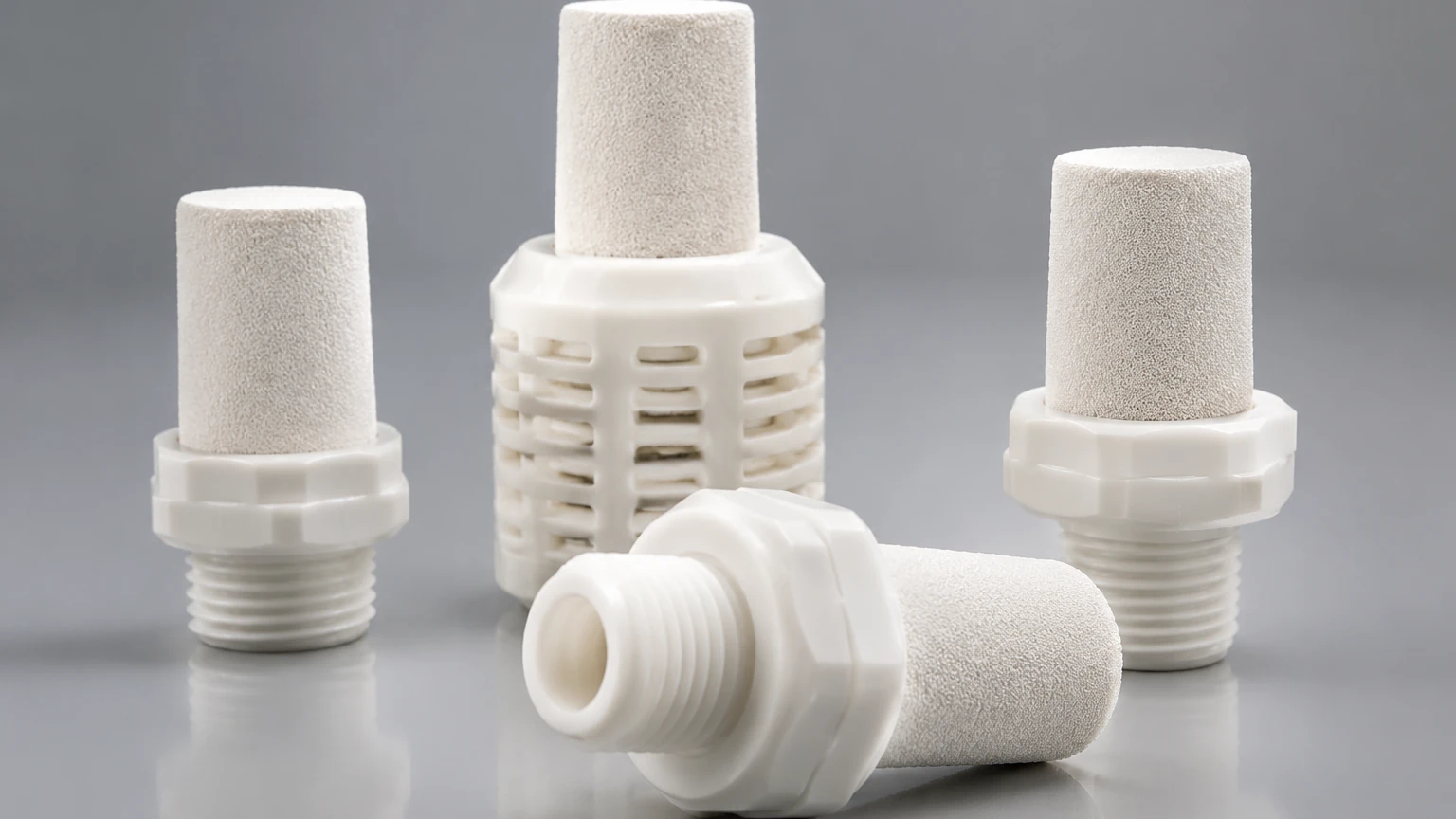
In industrial pneumatic systems and chemical processing environments, noise management and exhaust filtration are critical for both operational efficiency and workplace safety. A pvc muffler, often referred to as a pneumatic silencer, is a specialized component designed to reduce the noise levels generated by the rapid exhaustion of compressed air or gases into the atmosphere. While many high-pressure applications require the structural integrity of stainless steel, PVC-based solutions offer specific advantages in low-pressure, corrosive, or weight-sensitive environments.
For engineers and procurement teams, selecting the right muffler involves more than just matching a thread size. It requires an understanding of fluid dynamics, material compatibility, and the specific filtration requirements of the system. This guide examines the technical aspects of PVC mufflers, their application in industrial settings, and how they compare to the precision metal filtration solutions provided by manufacturers like Kaifil.
The Role of Mufflers in Industrial Systems
Pneumatic equipment, such as air cylinders, solenoid valves, and vacuum pumps, releases high-velocity air during the exhaust stroke. Without a muffler, this release creates turbulent airflow that results in high-decibel noise, often exceeding OSHA safety limits. Furthermore, open exhaust ports are susceptible to the ingress of dust, debris, and moisture, which can lead to premature component failure.
A pvc muffler serves two primary functions:
1. Noise Attenuation: By forcing the exhaust air through a porous medium or an expansion chamber, the muffler breaks up the air stream and reduces its velocity, significantly lowering the sound pressure level (SPL).
2. Contamination Control: The internal filtration media prevents ambient contaminants from entering the valve or cylinder when the system is not under pressure, maintaining the integrity of the internal seals and lubricants.
While PVC is a common material for the housing or the porous element in specific light-duty applications, many industrial engineers find that transitioning to stainless steel components offers superior longevity. You can explore a wide range of high-performance filtration and silencing options on the Main Page of the Kaifil website.
Technical Specifications and Material Properties
When evaluating a pvc muffler, technical professionals must consider the physical properties of Polyvinyl Chloride in relation to the operating environment. PVC is a thermoplastic known for its chemical resistance and cost-effectiveness, but it has distinct thermal and mechanical boundaries.
Chemical Compatibility
One of the primary reasons for selecting a PVC-based muffler is its resistance to corrosive agents. PVC is generally inert when exposed to many acids, bases, and salt solutions. This makes it a frequent choice for water treatment facilities and chemical laboratories where metal components might suffer from galvanic corrosion or oxidation. However, PVC is susceptible to damage from aromatic hydrocarbons, esters, and ketones, which can cause the material to soften or crack.
Temperature and Pressure Limits
Unlike stainless steel mufflers, which can operate at extreme temperatures, PVC has a relatively narrow thermal window. Most industrial-grade PVC mufflers are rated for temperatures between 0°C and 60°C (32°F to 140°F). Beyond this range, the material loses its structural rigidity, increasing the risk of thread failure or housing rupture under pressure. In terms of pressure, PVC mufflers are typically restricted to low-to-medium pressure pneumatic systems, usually not exceeding 100-150 PSI, depending on the specific design and wall thickness.
Engineering Considerations: Backpressure and Flow Rate
A critical factor that engineers must calculate when integrated a pvc muffler is the impact on backpressure. Every muffler introduces some level of restriction to the airflow. If the backpressure is too high, it can negatively affect the performance of the pneumatic system in the following ways:
* Reduced Cycle Speed: High backpressure slows down the movement of air cylinders, leading to longer cycle times and reduced production throughput.
* Heat Generation: Restriction in the exhaust path can cause heat to build up within the valve body, potentially damaging heat-sensitive seals.
* Inconsistent Operation: Fluctuations in exhaust flow can lead to erratic behavior in precision pneumatic actuators.
To mitigate these issues, engineers look for the Cv factor (flow coefficient) of the muffler. A higher Cv indicates less resistance to flow. When designing custom filtration and silencing solutions, Kaifil focuses on optimizing the balance between noise reduction and flow efficiency, ensuring that the filtration media—whether wire mesh or sintered metal—provides the necessary surface area to minimize pressure drops.
Comparison: PVC vs. Stainless Steel Mufflers
While the pvc muffler is suitable for specific niche applications, industrial environments often demand the durability of metal. As a professional manufacturer, Kaifil specializes in stainless steel filtration solutions that address the limitations of plastic components.
| Feature | PVC Muffler | Stainless Steel Muffler (Kaifil) |
| :— | :— | :— |
| Durability | Moderate; prone to impact damage | High; resistant to mechanical stress |
| Temperature Range | Limited (up to 60°C) | Extensive (up to 400°C+ depending on alloy) |
| Pressure Rating | Low to Medium | High Pressure Capable |
| Corrosion Resistance | Excellent for specific chemicals | Superior for general industrial use |
| Cleanability | Often disposable | Cleanable and Reusable |
For many procurement teams, the total cost of ownership (TCO) is a deciding factor. While a PVC component may have a lower initial purchase price, the frequency of replacement due to clogging or material fatigue often makes stainless steel a more cost-effective long-term investment. Stainless steel wire mesh filters and cartridges provided by Kaifil offer the added benefit of being washable, allowing for extended service life in heavy-duty industrial applications.
Customization and OEM Solutions
In many complex industrial systems, a standard off-the-shelf pvc muffler may not meet the specific requirements of the application. This is where OEM (Original Equipment Manufacturer) capabilities become essential. Customization can involve several parameters:
1. Thread Configuration: Beyond standard NPT or BSP threads, custom mufflers can be designed with metric threads or specialized push-to-connect fittings.
2. Filtration Accuracy: The porosity of the internal media can be adjusted. For example, a system requiring high noise reduction might use a finer mesh, while a system prioritizing flow speed would utilize a coarser grade.
3. Form Factor: In tight machinery spaces, mufflers may need to be elongated, flattened, or angled to fit the available envelope without obstructing other components.
Kaifil works closely with global customers to develop high-performance filter products that meet these specific application requirements. By leveraging advanced manufacturing capabilities, Kaifil can integrate stainless steel wire mesh or precision metal components into various housing designs to achieve targeted filtration and silencing goals.
Maintenance and Replacement Cycles
To maintain optimal performance, industrial mufflers must be inspected regularly. A clogged pvc muffler is not just a noise issue; it is a system performance bottleneck. Signs that a muffler requires maintenance or replacement include:
* Visible Contamination: Oil mist, dust, or carbon buildup on the exterior of the porous element.
* Audible Changes: A change in the pitch or volume of the exhaust noise often indicates that the internal media has shifted or become saturated.
* System Lag: If a pneumatic actuator begins to move slower than its calibrated speed, the exhaust muffler is the first component that should be checked for restriction.
In environments with heavy oil mist or particulate matter, mufflers can clog rapidly. In these instances, engineers often prefer stainless steel wire mesh mufflers because they can be cleaned using ultrasonic baths or solvent degreasers, whereas PVC or plastic-sintered mufflers are typically treated as consumables and replaced entirely.
Selecting the Right Solution for Your Application
Choosing between a pvc muffler and a metal alternative requires a thorough analysis of the operating environment. If the application involves high temperatures, high pressures, or requires a component that can be cleaned and reused, stainless steel is the clear choice. If the application is a low-pressure, ambient temperature environment with specific chemical exposure where plastic is preferred, PVC may suffice.
Kaifil provides reliable OEM and customized filtration solutions across various industries, including chemical processing, food and beverage, and pharmaceutical sectors. By focusing on quality, durability, and precise filtration performance, Kaifil ensures that every component—from a simple silencer to a complex filter cartridge—meets the demanding standards of modern industry.
For more information on high-performance industrial filtration components and to discuss your specific project requirements, visit the Main Page to review product options and application support. Whether you are looking for standard wire mesh filters or custom-engineered metal filtration solutions, Kaifil delivers dependable components designed for the most challenging industrial environments.
