


Pipeline Basket Strainers
In industrial fluid handling systems, the integrity of downstream equipment such as pumps, valves, flow meters, and heat exchangers depends heavily on the removal of particulate matter. Pipeline basket strainers serve as the primary line of defense in these systems. Unlike temporary or simpler filtration components, these strainers are designed for high-capacity debris collection and ease of maintenance, making them a staple in chemical processing, water treatment, and food production environments.
Understanding the engineering nuances of pipeline basket strainers is essential for engineers and procurement teams who must balance initial capital expenditure with long-term operational efficiency. This guide explores the technical specifications, selection criteria, and maintenance considerations necessary to optimize filtration performance in demanding industrial applications.
The Engineering Principles of Basket Filtration
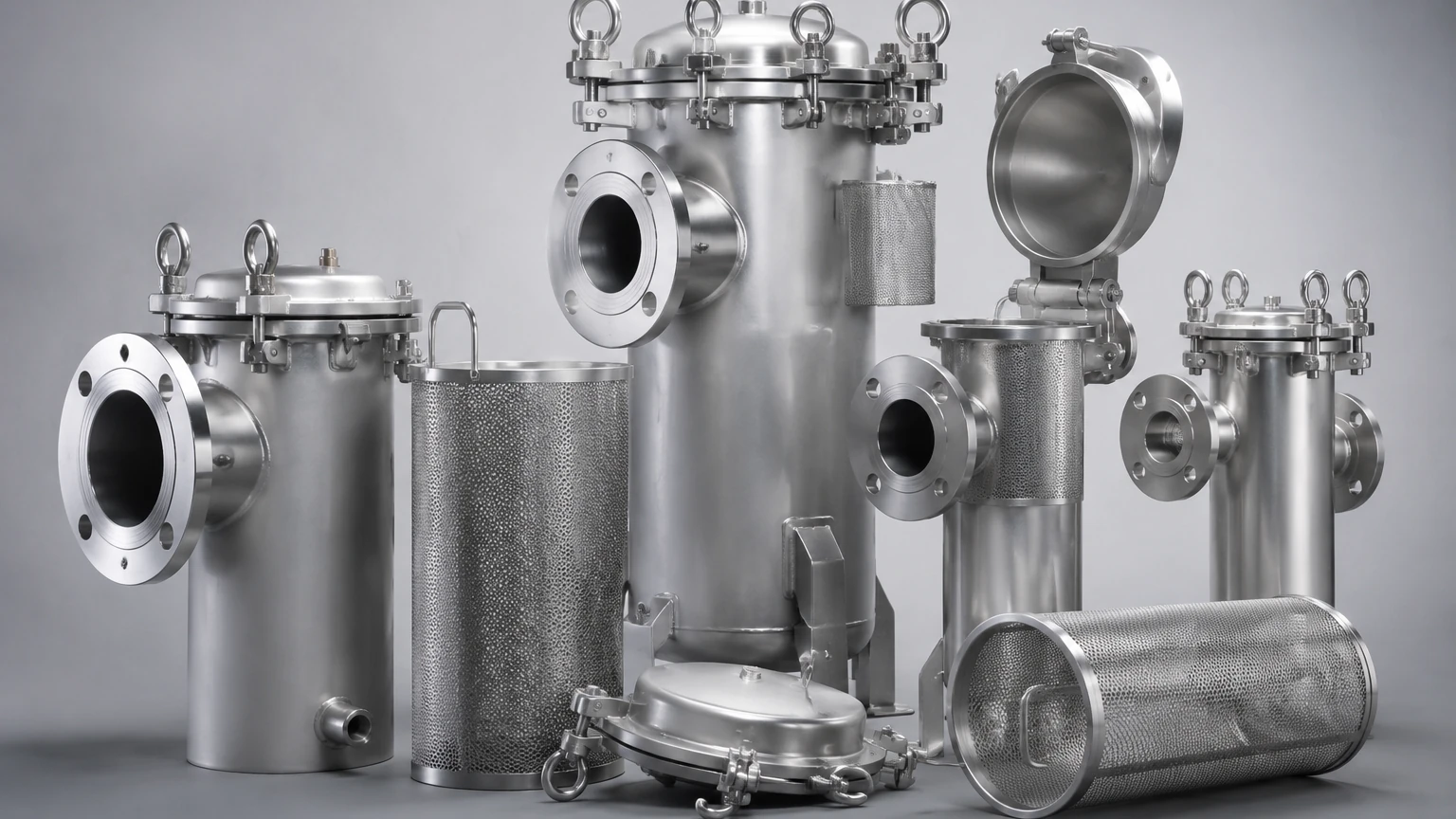
Pipeline basket strainers are closed vessels with a removable screen or "basket" that intercepts solids from a flowing liquid or gas. The primary advantage of the basket design over other configurations, such as Y-strainers, is the significantly larger surface area of the internal element. This increased area allows for a higher dirt-holding capacity and a lower pressure drop across the unit.
From a fluid dynamics perspective, the ratio of the open area of the basket to the cross-sectional area of the inlet pipe is a critical metric. A high open-area ratio (typically 6:1 or higher) ensures that the strainer does not become a bottleneck in the system. When fluid enters the strainer body, its velocity decreases as it enters the larger chamber, allowing heavier particles to settle while the mesh captures finer contaminants.
For engineers designing high-flow systems, the choice of a basket strainer is often dictated by the "clean pressure drop." If the initial pressure drop is too high, it limits the allowable accumulation of debris before the system requires a shutdown for cleaning. By utilizing precision-manufactured stainless steel baskets, operators can achieve precise filtration levels without compromising system throughput.
Material Selection and Structural Integrity
In industrial filtration, the material of construction determines the strainer’s compatibility with the process fluid and its durability under thermal or chemical stress. Stainless steel is the industry standard for high-performance pipeline basket strainers due to its corrosion resistance and mechanical strength.
Grade 304 vs. 316 Stainless Steel
Most industrial applications utilize either Grade 304 or Grade 316 stainless steel. SS304 is suitable for general-purpose applications, including water treatment and many food-grade processes. However, in environments involving chlorides, acids, or high-salinity fluids, SS316 is preferred due to the addition of molybdenum, which enhances resistance to pitting and crevice corrosion.
Reinforcement and Mesh Construction
For high-pressure applications or systems subject to hydraulic shock (water hammer), the internal basket must be structurally reinforced. A common construction method involves a perforated metal support cylinder lined with a fine wire mesh. This "double-layer" approach provides the structural rigidity needed to withstand high differential pressures while maintaining the fine filtration accuracy required by the process.
When evaluating a Main Page for sourcing components, engineers should confirm that the welding techniques—such as TIG or spot welding—are performed to industrial standards to prevent bypass or structural failure of the basket under load.
Key Evaluation Criteria for Selection
Selecting the correct pipeline basket strainer requires more than simply matching the pipe size. Engineers must evaluate several variables to ensure the component meets the specific needs of the application.
1. Filtration Rating (Micron vs. Mesh): The required level of filtration is defined by the size of the smallest particle that must be removed. Mesh size refers to the number of openings per linear inch, while micron rating refers to the actual size of the opening. It is vital to distinguish between "nominal" and "absolute" ratings; nominal ratings indicate a percentage of particles captured, while absolute ratings indicate that no particles larger than the specified size will pass through.
2. Viscosity of the Fluid: The viscosity of the fluid significantly impacts the pressure drop. High-viscosity fluids (such as oils or syrups) move more slowly through the mesh, requiring larger strainer bodies or coarser mesh to maintain acceptable flow rates.
3. Operating Pressure and Temperature: Every strainer body has a maximum pressure and temperature rating (often following ANSI or DIN standards). Exceeding these limits can lead to seal failure or vessel rupture. It is also important to consider the "burst pressure" of the basket itself, which is the maximum differential pressure the basket can withstand before deforming.
4. Seal and Gasket Compatibility: The choice of gasket material (e.g., EPDM, Viton, or PTFE) must be compatible with the chemical composition of the fluid and the operating temperature to prevent external leaks.
Common Risks and Operational Challenges
Failure to properly specify or maintain pipeline basket strainers can lead to significant operational risks. One of the most common issues is "blinded" baskets, where the mesh becomes completely clogged. If the system does not have a differential pressure gauge, operators may not realize the basket is full until the flow stops or the basket collapses under the pressure of the pump.
Another risk is bypass, where fluid escapes around the edges of the basket rather than through the mesh. This is often caused by poor fitment of the basket within the strainer body or damaged seals. In precision industries like pharmaceutical or chemical processing, even a small amount of bypass can contaminate the final product or damage sensitive downstream equipment.
Furthermore, the "total cost of ownership" should be considered beyond the initial purchase price. A low-cost strainer with a small basket area will require more frequent cleaning, leading to higher labor costs and increased downtime. Investing in a high-capacity, custom-engineered solution often yields a better return on investment over the life of the plant.
Customization and OEM Solutions
Standard pipeline basket strainers often fall short in specialized industrial environments. This is where customization becomes a critical factor for engineering teams. Customization can range from unique flange configurations to specialized basket designs tailored for specific contaminant types.
For example, if a process involves fibrous debris that tends to clog standard square mesh, a wedge wire or pleated basket design may be more effective. Pleating the mesh increases the surface area even further, allowing for extended run times in high-solids applications.
OEM manufacturers like Kaifil specialize in developing these tailored solutions. By working directly with a manufacturer, engineers can specify exact dimensions, material grades, and filtration accuracies that are not available in off-the-shelf products. This collaborative approach ensures that the filtration component is perfectly integrated into the larger system architecture.
Maintenance Best Practices for Longevity
To ensure the reliable performance of pipeline basket strainers, a proactive maintenance schedule is essential. The following steps are recommended for industrial operators:
* Install Differential Pressure Gauges: Monitoring the pressure drop across the strainer is the only accurate way to determine when a basket needs cleaning. A common rule of thumb is to clean the basket when the differential pressure reaches 5-10 psi above the clean pressure drop.
* Standardized Cleaning Procedures: When removing the basket, it should be inspected for signs of wear, such as broken wires or distorted mesh. Cleaning should be done with a soft brush or ultrasonic bath to avoid damaging the fine mesh.
* Spare Parts Inventory: Always maintain a stock of replacement baskets and gaskets. Having a spare basket on hand allows for a "swap and clean" procedure, minimizing the time the system is offline.
* Venting and Draining: Before opening the strainer for maintenance, ensure the vessel is properly vented and drained, especially when handling hazardous chemicals or high-temperature fluids.
Conclusion: Confirming Technical Requirements
Before proceeding with the procurement of pipeline basket strainers, engineering and purchasing teams should confirm several technical details to ensure the solution is fit for purpose. This includes verifying the maximum flow rate, the chemical compatibility of all wetted parts, and the specific particle size that must be excluded.
By focusing on high-quality materials and precision engineering, facilities can protect their infrastructure and maintain consistent product quality. For those seeking specialized designs or high-performance stainless steel components, reviewing technical capabilities and application support is the recommended next step in the selection process. Reliable filtration is not just about capturing debris; it is about ensuring the continuous, efficient operation of the entire industrial process.
