


Aquaculture System Technologies Filter Systems
In the rapidly evolving sector of intensive fish farming, the efficiency of aquaculture system technologies filter systems determines the operational viability and biological safety of the entire facility. As global demand for protein increases, aquaculture has shifted from traditional pond-based methods to highly controlled Recirculating Aquaculture Systems (RAS). These systems rely on a sophisticated sequence of mechanical and biological filtration to maintain water quality, manage waste, and ensure the health of aquatic species. For engineers and facility managers, selecting the right filtration components is not merely a matter of procurement but a critical engineering decision that impacts the total cost of ownership (TCO) and system uptime.
The Role of Filtration in Modern Aquaculture System Technologies
Aquaculture system technologies filter systems are designed to address the primary challenge of land-based fish farming: the accumulation of metabolic waste and uneaten feed. In a closed or semi-closed loop, water must be continuously treated to remove suspended solids before it reaches the biological filters or is returned to the culture tanks.
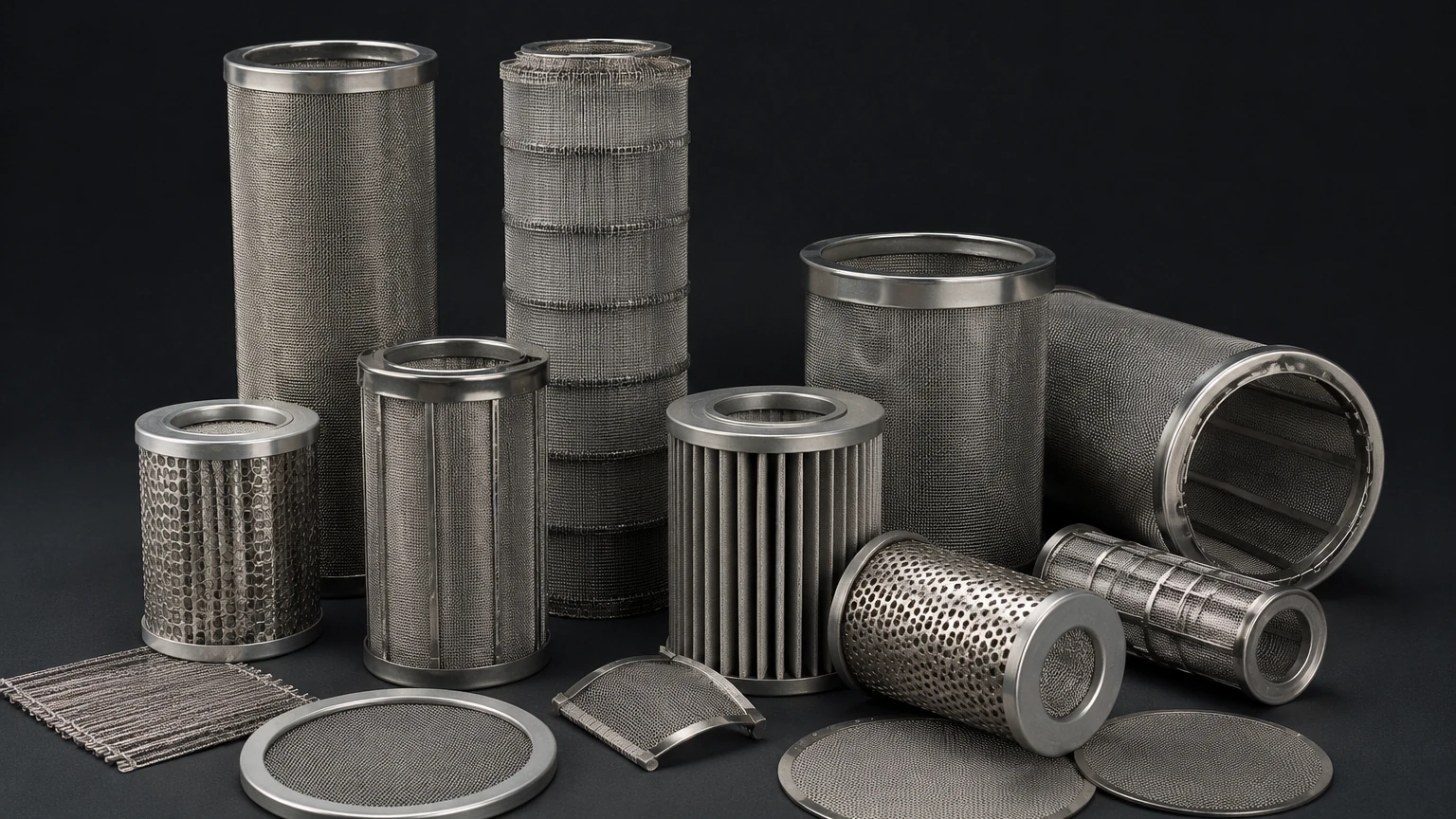
Mechanical filtration serves as the first line of defense. By removing organic particles—often referred to as Total Suspended Solids (TSS)—at the earliest possible stage, the system prevents the breakdown of these solids into ammonia and nitrites, which are toxic to fish. Furthermore, effective mechanical filtration reduces the organic load on biofilters, allowing nitrifying bacteria to operate more efficiently. The precision of this initial stage is governed by the quality of the filter media, where stainless steel wire mesh and specialized filter cartridges play a pivotal role due to their durability and precise aperture sizes.
Technical Engineering Considerations for Filter Media
When evaluating aquaculture system technologies filter systems, engineers must look beyond basic flow rates and consider the material science and structural integrity of the filter components. Industrial-grade filtration in aquaculture requires materials that can withstand constant immersion, high hydraulic loads, and frequent cleaning cycles.
Material Selection: 304 vs. 316L Stainless Steel
In freshwater aquaculture, Grade 304 stainless steel is often sufficient for many structural components. However, in marine or brackish water environments, the high chloride content necessitates the use of Grade 316L stainless steel. The addition of molybdenum in 316L provides superior resistance to pitting and crevice corrosion. For long-term installations, choosing the correct alloy prevents premature failure and ensures that the filtration system does not introduce metallic contaminants into the sensitive aquatic environment.
Weave Types and Filtration Accuracy
The performance of wire mesh filters is dictated by the weave pattern. Plain weave is common for general applications, but for high-precision aquaculture needs, Dutch weave or twilled weaves may be utilized to provide a higher degree of structural strength while maintaining fine micron ratings. In RAS applications, filtration accuracy typically ranges from 20 to 100 microns. Selecting a mesh that is too fine can lead to rapid clogging and excessive backwashing, while a mesh that is too coarse allows smaller particles to pass through, potentially clogging downstream biofilters or UV sterilization units.
Types of Mechanical Filter Systems in Aquaculture
Different aquaculture system technologies filter systems utilize various mechanical configurations depending on the scale of the operation and the specific species being raised.
1. Rotary Drum Filters: These are the workhorses of large-scale RAS. They utilize a rotating drum covered in fine stainless steel wire mesh. As water flows through the drum, solids are trapped on the inner surface. A backwash system then sprays the mesh, flushing the solids into a waste trough. The reliability of the drum filter depends heavily on the tension and quality of the replacement mesh panels.
2. Disc Filters: Similar to drum filters but utilizing vertical discs, these systems offer a larger filtration surface area within a smaller footprint. They are ideal for facilities where space is a constraint but high flow rates are required.
3. Pressurized Cartridge Filters: For smaller systems or specific side-stream filtration, stainless steel filter cartridges provide high-pressure capabilities and precise particle retention. These are often used in hatcheries or research facilities where water purity requirements are exceptionally high.
For those seeking specialized components for these systems, you can Review product options and application support to understand how custom metal filtration can be integrated into existing infrastructure.
Engineering Criteria for Evaluating Filter Performance
To optimize aquaculture system technologies filter systems, several technical parameters must be balanced during the design and selection phase:
* Flow Velocity and Pressure Drop (Delta P): High flow rates are necessary for oxygenation and waste removal, but excessive velocity through the filter media can cause "breakthrough," where soft organic solids are forced through the mesh. Engineers must calculate the effective filtration area to ensure that the pressure drop remains within operational limits, even as the filter begins to load with solids.
* Backwash Efficiency: The ability of a system to self-clean is vital for 24/7 operations. The design of the spray nozzles and the release characteristics of the wire mesh determine how much water is wasted during backwashing. High-quality stainless steel mesh with smooth surface finishes facilitates easier particle release compared to synthetic alternatives.
* Hydraulic Load and Structural Rigidity: Filter components must resist deformation under the weight of water and the force of pumps. Sintered wire mesh, which layers multiple sheets of mesh through a heat-treatment process, offers enhanced mechanical strength for high-pressure applications without sacrificing porosity.
Common Risks and Failure Modes
Failure in aquaculture system technologies filter systems can lead to catastrophic loss of stock. Understanding common risks allows for better preventative engineering:
* Biofouling: In nutrient-rich water, biofilms can rapidly grow on filter surfaces. If the filter media is not designed for easy cleaning or if the material is prone to surface adhesion, the flow will be restricted, leading to system bypass or pump strain.
* Mechanical Wear: The moving parts in drum and disc filters are subject to constant friction. Using precision-engineered metal components ensures that seals remain tight and that the drive mechanisms do not fail prematurely.
* Corrosion in Saline Systems: Even with 316L stainless steel, improper welding or the use of low-grade fasteners can lead to localized corrosion. It is essential to ensure that all components, including the mesh, frames, and supports, meet the same material specifications.
The Importance of Customization in Aquaculture
No two aquaculture facilities are identical. Factors such as the feed type (which influences particle size and stickiness), the stocking density, and the water chemistry all dictate specific filtration needs. Off-the-shelf solutions often require modification to meet these unique demands.
Customized aquaculture system technologies filter systems allow for the adjustment of mesh apertures, the reinforcement of filter elements for specific hydraulic conditions, and the design of bespoke intake screens to prevent fish escape or predator entry. Working with a manufacturer capable of providing OEM and customized filtration solutions ensures that the components are perfectly matched to the system's operational parameters.
Total Cost of Ownership vs. Initial Investment
While synthetic or low-grade metal filters may have a lower initial purchase price, the long-term costs associated with frequent replacements, increased maintenance labor, and the risk of system failure often make them more expensive. Industrial stainless steel filtration components offer a significantly longer service life. They can withstand aggressive cleaning protocols, including chemical washes and high-pressure spraying, which would degrade plastic media.
When calculating TCO, engineers should consider:
1. Replacement Frequency: How many months or years will the media last before it loses structural integrity?
2. Energy Consumption: Does a high pressure drop across a poor-quality filter require more pumping power?
3. Water Savings: How efficient is the backwash cycle in terms of water volume used per kilogram of solids removed?
Procurement Checklist: What Engineers Must Confirm
Before finalizing the selection of aquaculture system technologies filter systems, technical teams should verify the following with their suppliers:
* Material Traceability: Request material mill certificates to ensure the stainless steel grade (e.g., 316L) matches the specification, especially for saltwater applications.
* Micron Rating Validation: Confirm how the micron rating is defined (absolute vs. nominal) and ensure the mesh weave is appropriate for the expected particle load.
* Compatibility with Cleaning Agents: If the system requires periodic disinfection with ozone or chlorine, verify that the filter materials and gaskets are chemically resistant.
* Customization Capabilities: Can the manufacturer provide custom sizes or specialized fittings to reduce the need for adapters and potential leak points?
By focusing on these technical details, aquaculture professionals can implement filtration systems that not only protect their aquatic stock but also contribute to the overall efficiency and sustainability of their operations. For high-performance industrial filtration components, visiting the Main Page provides access to technical resources and product specifications necessary for informed decision-making.
Download Aquaculture System Technologies Filter Systems as a PDF
