


Food-grade Compressed Air Filters Fda Approved 21 Cfr Dixon
In the food and beverage industry, compressed air is often referred to as the "fourth utility." While electricity, water, and gas are strictly monitored, the quality of compressed air can sometimes be overlooked, despite it frequently coming into direct or indirect contact with food products. To ensure consumer safety and regulatory compliance, engineers must specify food-grade compressed air filters fda approved 21 cfr dixon standards. These components are essential for removing contaminants such as oil aerosols, moisture, atmospheric dust, and microorganisms that can compromise the integrity of the production line.
Selecting the correct filtration system requires a deep understanding of material science, fluid dynamics, and the specific regulatory landscape. For manufacturers like Kaifil, providing custom stainless steel filtration solutions means adhering to stringent material requirements while optimizing the mechanical performance of the filter element. This guide explores the technical parameters, material considerations, and engineering benchmarks necessary for implementing high-performance food-grade filtration.
The Critical Role of Compressed Air in Food Processing
Compressed air is used across a variety of applications in food manufacturing, from pneumatic conveying of ingredients and blow-molding containers to the direct aeration of products and the cleaning of packaging materials. Because air is concentrated during compression, the density of contaminants increases significantly. Without proper filtration, these contaminants can lead to spoilage, off-flavors, and bacterial growth.
Direct vs. Indirect Contact
In food-grade environments, compressed air applications are generally categorized into two types:
1. Direct Contact: The air comes into physical contact with the food product or its ingredients. Examples include air used to peel vegetables, move powdered ingredients through pipes, or carbonate beverages. This requires the highest level of filtration, often involving sterile-grade elements.
2. Indirect Contact: The air is used in the vicinity of the food but does not touch it directly, such as in pneumatic cylinders that operate packaging machinery. While the risk is lower, any exhaust air released into the production environment must still be free of oil and particulates to prevent cross-contamination.
Understanding this distinction is the first step in determining the necessary micron rating and material composition of the filter elements. For those looking to optimize their system architecture, visiting the Main Page of a specialized manufacturer can provide insights into the available configurations for these demanding environments.
Navigating FDA 21 CFR Compliance for Filtration Components
When sourcing food-grade compressed air filters fda approved 21 cfr dixon, the primary regulatory benchmark is Title 21 of the Code of Federal Regulations (CFR). Specifically, parts 170 through 199 outline the requirements for "Food Contact Substances."
Material Safety Standards
For a filter to be considered food-grade, every component that comes into contact with the air stream—including the filter media, end caps, potting compounds, and O-rings—must be constructed from materials recognized as safe by the FDA.
* Stainless Steel (304/316L): Generally Recognized as Safe (GRAS), stainless steel is the preferred material for housings and high-durability filter elements. It is non-leaching, corrosion-resistant, and capable of withstanding high-temperature sterilization processes.
* Polymers and Elastomers: Under 21 CFR 177, specific polymers like PTFE (Teflon) and elastomers like EPDM or Viton are approved for food contact. These are used for gaskets and seals to ensure an airtight fit within the filter housing without introducing chemical contaminants.
Compliance with 21 CFR ensures that the filter will not migrate harmful substances into the air stream, even under the high pressures and temperatures typical of industrial compressed air systems.
Technical Requirements for Food-Grade Compressed Air Filters
An effective filtration strategy for food-grade air involves a multi-stage approach. A single filter is rarely sufficient to meet the purity standards required for food safety. Instead, a series of filters are used to progressively remove smaller and smaller contaminants.
Stage 1: Particulate Pre-filtration
The first stage involves removing bulk liquids and solid particles. These filters typically use sintered stainless steel or pleated wire mesh elements. They are designed to capture particles down to 5 to 25 microns, protecting downstream components from heavy loading.
Stage 2: Coalescing Filtration
Coalescing filters are critical for removing oil aerosols and water vapor. In a food-grade system, even "oil-free" compressors can introduce atmospheric hydrocarbons into the air stream. Coalescing elements force small droplets to merge into larger drops, which then drain away. For food-grade applications, high-efficiency coalescing filters can achieve oil removal down to 0.01 mg/m³.
Stage 3: Sterile Filtration
For direct contact applications, a sterile filter is the final line of defense. These filters are designed to capture microorganisms, including bacteria and viruses. They typically have a micron rating of 0.2 microns or smaller. Because these filters must be regularly sterilized—usually via Steam-in-Place (SIP) or Autoclave—the filter media must be robust. Sintered metal fibers or specialized pleated stainless steel mesh are often used because they can withstand the thermal shock of repeated steam cycles without losing structural integrity.
Material Selection: Why Stainless Steel is the Gold Standard
In the context of food-grade compressed air filters fda approved 21 cfr dixon, the choice of filter media is paramount. While disposable fiberglass or paper elements are common in general industrial use, food processing demands the durability and hygiene of stainless steel.
Advantages of Stainless Steel Filtration Elements
1. High Temperature Resistance: Food-grade systems often require sterilization. Stainless steel elements can operate in temperatures exceeding 200°C, making them ideal for steam filtration and high-temperature air lines.
2. Chemical Compatibility: Stainless steel 316L is resistant to the caustic cleaning agents used in Clean-in-Place (CIP) protocols. This ensures that the filter does not degrade or corrode when exposed to sanitizing chemicals.
3. Mechanical Strength: In high-pressure compressed air systems, pressure surges can cause fiber migration in disposable filters. Sintered wire mesh and metal fiber felt are structurally stable, ensuring that no part of the filter media itself becomes a contaminant.
4. Sustainability and Cost-Effectiveness: Unlike disposable cartridges that must be replaced and discarded, stainless steel filters can often be cleaned (via ultrasonic baths or backwashing) and reused, reducing the total cost of ownership over the life of the equipment.
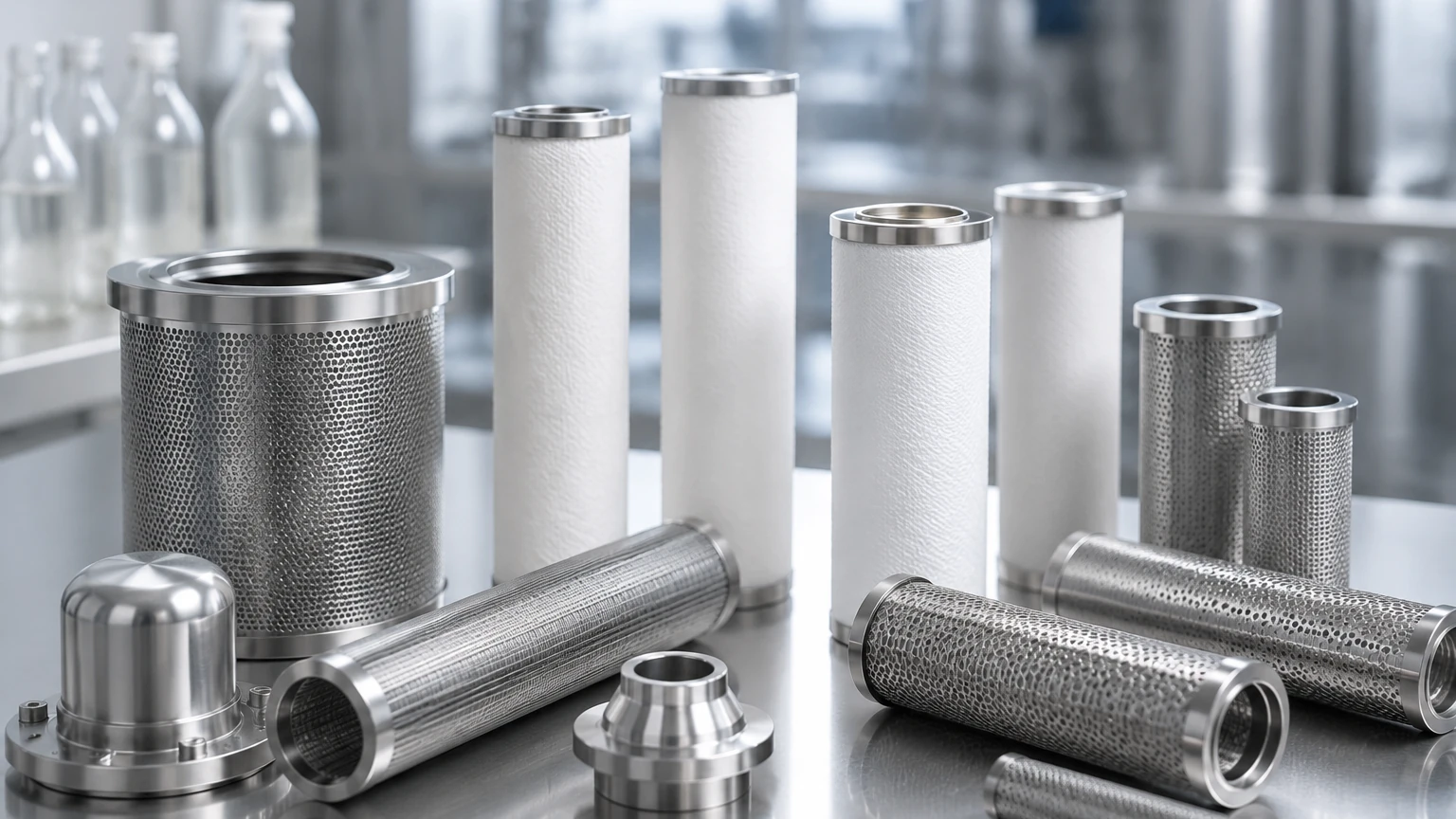
Kaifil specializes in these custom stainless steel components, ensuring that the geometry and porosity of the mesh are tailored to the specific flow rates and pressure drops required by the customer's system.
Integration with Industrial Standards and Dixon Fittings
The mention of "Dixon" in the context of food-grade filtration often refers to the integration of filters with high-quality hygienic couplings and valves. Dixon Valve & Coupling is a standard-setter in the industry for fluid transfer products, and their components are frequently used to connect filtration housings to the rest of the production line.
Ensuring Leak-Free Connections
In a compressed air system, leaks are not just an energy waste; they are a potential entry point for contaminants. Using FDA-approved Dixon-style tri-clamp fittings or cam-and-groove couplings ensures that the connection between the filter and the piping is hygienic and secure. These fittings are designed to eliminate "dead zones" where bacteria could proliferate, aligning with the sanitary design principles required by the FDA.
When specifying a filtration system, engineers must ensure that the filter housing ports are compatible with these standard hygienic connections. This allows for easy removal of the filter element for inspection or cleaning without the risk of contaminating the system during maintenance.
Performance Evaluation and Maintenance Protocols
A food-grade compressed air filter is only effective if it is maintained correctly. Performance evaluation should be based on three primary metrics: filtration efficiency, pressure drop, and integrity.
Monitoring Pressure Drop
As a filter captures contaminants, the differential pressure (ΔP) across the element increases. A high pressure drop indicates that the filter is becoming clogged, which forces the compressor to work harder and increases energy costs. Most industrial systems use differential pressure gauges to alert operators when a filter element needs cleaning or replacement. For food-grade systems, it is recommended to clean or replace elements before the pressure drop reaches 0.6 to 1.0 bar.
Integrity Testing
For sterile filters, regular integrity testing is required to ensure that the media has not been compromised. The "Bubble Point Test" is a common method used to verify that the pore size of the stainless steel mesh or sintered element remains within the specified range. This is a critical step in maintaining compliance with food safety audits.
Replacement Cycles
While stainless steel elements are durable, they are not infinite. Over time, repeated cleaning and sterilization cycles can lead to fatigue. Establishing a clear replacement cycle based on the number of sterilization hours or total throughput is essential for preventing catastrophic failure in the production line.
Selecting a Custom Filtration Partner for Food Safety
For engineers and purchasing teams, selecting a filter is not just about buying a part; it is about ensuring the safety of the end consumer. A reliable partner should offer more than just a product catalog; they should provide engineering support to help navigate the complexities of 21 CFR compliance and technical performance.
When evaluating a supplier for food-grade compressed air filters fda approved 21 cfr dixon, consider the following:
* Material Traceability: Can the manufacturer provide mill test reports for the stainless steel used?
* Customization Capabilities: Can they design a filter element that fits into existing housings while meeting specific micron requirements?
* Quality Control: Does the manufacturer follow ISO standards for filtration efficiency and pore size distribution?
By focusing on these technical and regulatory benchmarks, food processors can ensure their compressed air systems are an asset to their production quality rather than a liability. For more information on custom stainless steel filtration components and OEM capabilities, you can review product options and application support by visiting the Main Page.
In conclusion, the implementation of food-grade compressed air filters is a multi-faceted engineering challenge. By combining FDA-approved materials, robust stainless steel construction, and industry-standard connections like those from Dixon, manufacturers can achieve a level of air purity that meets the highest global standards for food safety. Investing in high-quality, cleanable filtration solutions not only protects the consumer but also optimizes the efficiency and longevity of the entire industrial compressed air infrastructure.
Download Food-grade Compressed Air Filters Fda Approved 21 Cfr Dixon as a PDF
