


Industrial Self Cleaning Filter
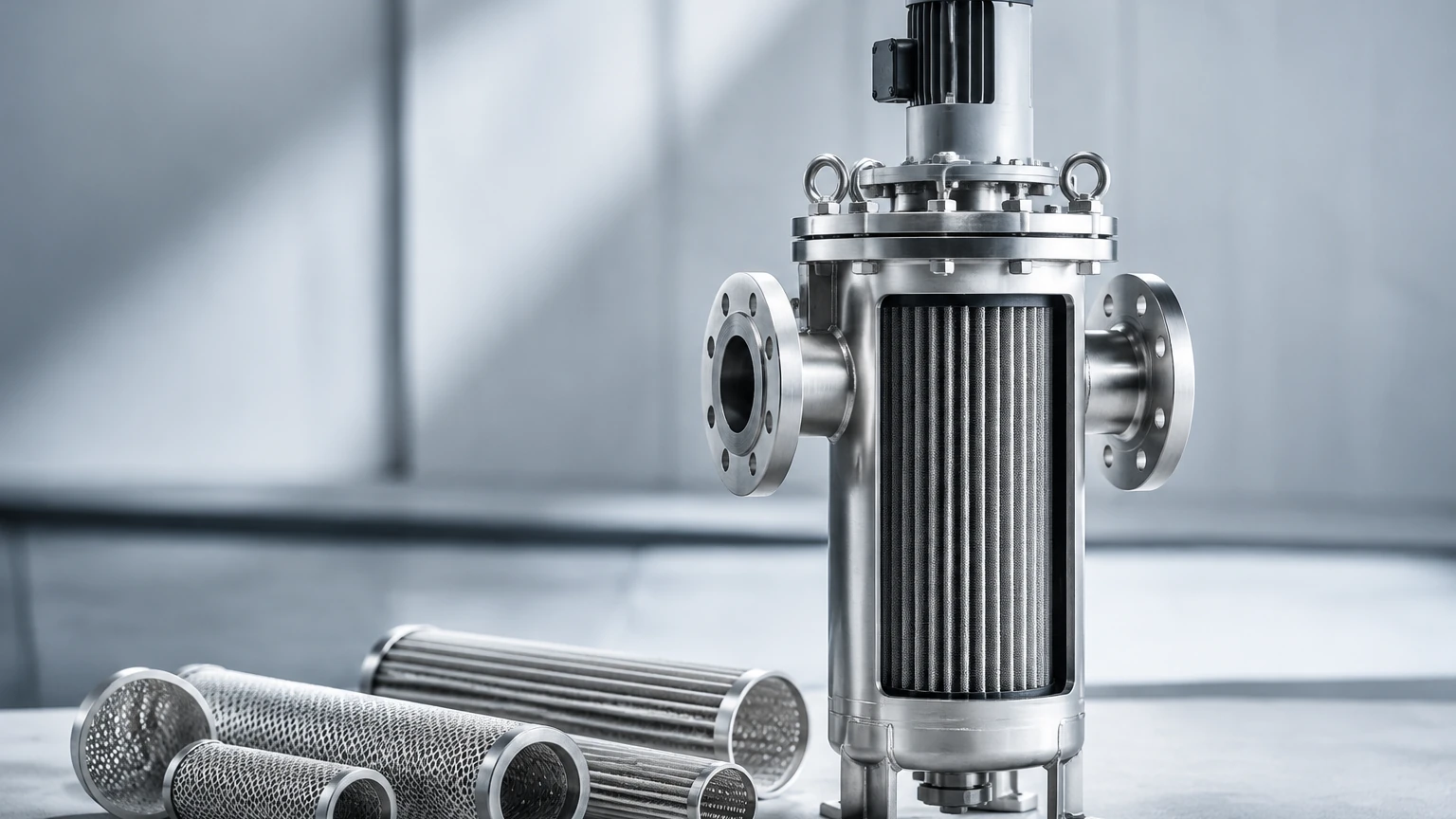
In the landscape of modern industrial processing, the demand for continuous operation and minimal downtime has elevated the importance of automated filtration systems. An industrial self cleaning filter represents a sophisticated solution designed to remove suspended solids from liquids without interrupting the flow of the process. Unlike traditional manual basket strainers or bag filters that require periodic shutdowns for cleaning or replacement, self-cleaning systems utilize mechanical or hydraulic mechanisms to clear accumulated debris from the filter media while the system remains online.
For engineers and facility managers in sectors such as chemical processing, water treatment, and food production, selecting the right industrial self cleaning filter is a critical decision that impacts both operational efficiency and long-term maintenance costs. This guide examines the technical principles, engineering considerations, and selection criteria essential for integrating these systems into demanding industrial environments.
Understanding Industrial Self-Cleaning Filter Mechanisms
The core functionality of an industrial self cleaning filter lies in its ability to detect a build-up of contaminants and initiate a cleaning cycle automatically. This is typically triggered by a pressure differential switch or a pre-set timer. There are several primary mechanisms used to achieve this:
1. Mechanical Scraper Systems
In these systems, a rigid or semi-rigid blade (often made of reinforced polymers or stainless steel) moves across the surface of the filter element. As the scraper travels, it physically dislodges the "filter cake" or accumulated particles from the internal or external surface of the media. These particles then settle into a collection chamber at the bottom of the housing, where they can be purged via a flush valve. This method is particularly effective for high-viscosity liquids or sticky contaminants that would otherwise adhere firmly to the mesh.
2. Backwash (Reverse Flow) Systems
Backwash filters utilize a portion of the filtered fluid—or sometimes an external clean fluid source—to blow back through the filter media in the opposite direction of the normal flow. This reversal of pressure forces particles out of the mesh openings. In advanced multi-element designs, one individual cartridge can be backwashed while the others continue to filter the main flow, ensuring zero interruption. These are highly effective for low-viscosity fluids like water or light chemicals.
3. Brush-Type Cleaning
Similar to scrapers, brush-type systems use rotating or reciprocating brushes to clean the filter element. This is often used in applications where the contaminants are fibrous or where a gentler cleaning action is required to prevent damage to fine wire mesh. The choice between a brush and a scraper often depends on the abrasive nature of the solids and the fragility of the filter media.
Engineering Considerations: Material Selection and Durability
When specifying an industrial self cleaning filter, the choice of materials is the most significant factor determining the unit's lifespan and compatibility with the process fluid. Stainless steel is the industry standard due to its superior mechanical strength and resistance to corrosion.
Stainless Steel Grades
* Grade 304: Suitable for general industrial applications, including cooling water and non-corrosive chemical lines. It offers excellent structural integrity and cost-effectiveness.
* Grade 316L: The preferred choice for pharmaceutical, food and beverage, and aggressive chemical environments. The addition of molybdenum provides enhanced resistance to pitting and crevice corrosion, particularly in chloride-rich environments.
* Super Duplex/Special Alloys: For highly specialized applications involving seawater or extreme pH levels, manufacturers may offer exotic alloys to ensure the filter housing and internal elements do not degrade over time.
Filter Media Types
The internal element is the heart of the industrial self cleaning filter. The most common types include:
* Wedge Wire: Constructed from V-shaped stainless steel wires welded to support rods. This design creates a non-clogging surface that is exceptionally easy to clean with scrapers. It is ideal for heavy-duty applications requiring high structural strength.
* Sintered Wire Mesh: Multiple layers of stainless steel wire mesh are sintered together to create a robust, high-precision filter media. This allows for very fine filtration (down to 1-5 microns) while maintaining the rigidity needed to withstand cleaning cycles.
* Perforated Plate: Used primarily for coarse filtration or as a support structure for finer meshes.
Technical Parameters for Filter Selection
Engineers must evaluate several technical parameters to ensure the selected industrial self cleaning filter meets the application's requirements. Failure to account for these variables can lead to premature element failure, insufficient cleaning, or excessive fluid loss during the purge cycle.
Flow Rate and Pressure Drop
Every filter introduces a degree of resistance to the flow, known as pressure drop (ΔP). It is essential to calculate the clean pressure drop at the maximum intended flow rate. An oversized filter may lead to higher capital costs, but an undersized filter will reach its terminal pressure drop too quickly, causing frequent cleaning cycles and increased wear on the mechanical components.
Filtration Micron Rating
Defining the required filtration accuracy is a balance between fluid purity and operational frequency. A finer micron rating captures more particles but requires more frequent cleaning. Engineers should distinguish between "nominal" and "absolute" ratings to ensure the filter meets the specific safety standards of their industry.
Viscosity and Temperature
The viscosity of the fluid significantly impacts the efficiency of the cleaning mechanism. High-viscosity fluids (such as oils, resins, or syrups) require more robust scraping mechanisms and larger motor torques. Similarly, the operating temperature must be within the limits of the seals, gaskets, and any electronic sensors integrated into the filter assembly.
Applications Across Demanding Industrial Sectors
Industrial self-cleaning filters are versatile components used in a wide range of environments where continuous filtration is non-negotiable.
Chemical and Petrochemical Processing
In these sectors, filters are used to protect downstream equipment like high-pressure nozzles, heat exchangers, and reactors. The ability to handle aggressive solvents and maintain a closed system (preventing operator exposure to hazardous materials) makes automated filters superior to manual options.
Food and Beverage Production
Hygiene is paramount in food processing. Stainless steel self-cleaning filters are used to remove pulp from juices, clarify syrups, and filter chocolate or fats. The automated nature of the cleaning cycle ensures that the system remains sealed, reducing the risk of external contamination.
Water Treatment and Power Generation
From filtering river water for cooling towers to pre-filtering for Reverse Osmosis (RO) membranes, industrial self cleaning filters handle large volumes of water with varying sediment loads. They prevent the scaling and clogging of sensitive equipment, extending the overall service life of the plant's infrastructure.
Evaluating Total Cost of Ownership (TCO)
While the initial investment in an industrial self cleaning filter is higher than that of a manual strainer, the Total Cost of Ownership is often significantly lower when considering the following factors:
1. Reduced Labor Costs: Manual cleaning requires personnel to stop the process, open the filter housing, clean the element, and restart the system. Automated systems eliminate these labor-intensive tasks.
2. Minimized Product Loss: Modern self-cleaning designs are engineered to minimize the amount of fluid expelled during the purge cycle. In high-value applications (like chemical or food processing), this reduction in waste can pay for the filter within months.
3. Extended Media Life: Because the filter media is cleaned regularly and precisely, it is less likely to become permanently blinded or damaged by excessive pressure build-up. This extends the replacement cycle of the internal elements.
4. Process Continuity: The primary benefit is the elimination of downtime. For 24/7 manufacturing operations, the cost of a single hour of downtime can exceed the cost of the entire filtration system.
Customization and OEM Solutions
No two industrial applications are identical. Standard off-the-shelf filters may not meet the specific spatial constraints or chemical compatibility requirements of a specialized plant. This is where the expertise of a professional manufacturer becomes invaluable. Customization options often include:
* Bespoke Housing Designs: Adapting the inlet and outlet configurations to fit existing piping layouts.
* Specialized Coatings: Applying PTFE or other coatings to internal components to handle particularly sticky or abrasive materials.
* Advanced Control Systems: Integrating the filter's PLC (Programmable Logic Controller) with the plant's central monitoring system for real-time performance tracking.
For organizations looking to optimize their filtration processes, it is essential to partner with a manufacturer that understands the nuances of metal fabrication and filtration physics. You can Review product options and application support to see how customized stainless steel solutions can be tailored to specific industrial needs.
Technical Checklist Before Purchasing
Before finalizing a purchase order for an industrial self cleaning filter, engineers should confirm the following data points with their supplier:
* Fluid Characteristics: What is the specific gravity, viscosity, and chemical composition of the liquid?
* Contaminant Profile: What is the nature of the solids (hard, soft, fibrous)? What is the maximum particle size and concentration (ppm)?
* Operational Limits: What are the maximum and minimum operating pressures and temperatures?
* Power Availability: Is there access to compressed air (for pneumatic actuators) or specific electrical voltages for motors?
* Compliance Standards: Does the filter need to meet specific certifications such as ASME, PED, or FDA requirements?
By addressing these questions during the design phase, technical teams can ensure that the industrial self cleaning filter performs reliably under the specific stresses of their environment, providing consistent filtration and protecting the integrity of the entire production line.
