


Synthetic Bag Filter
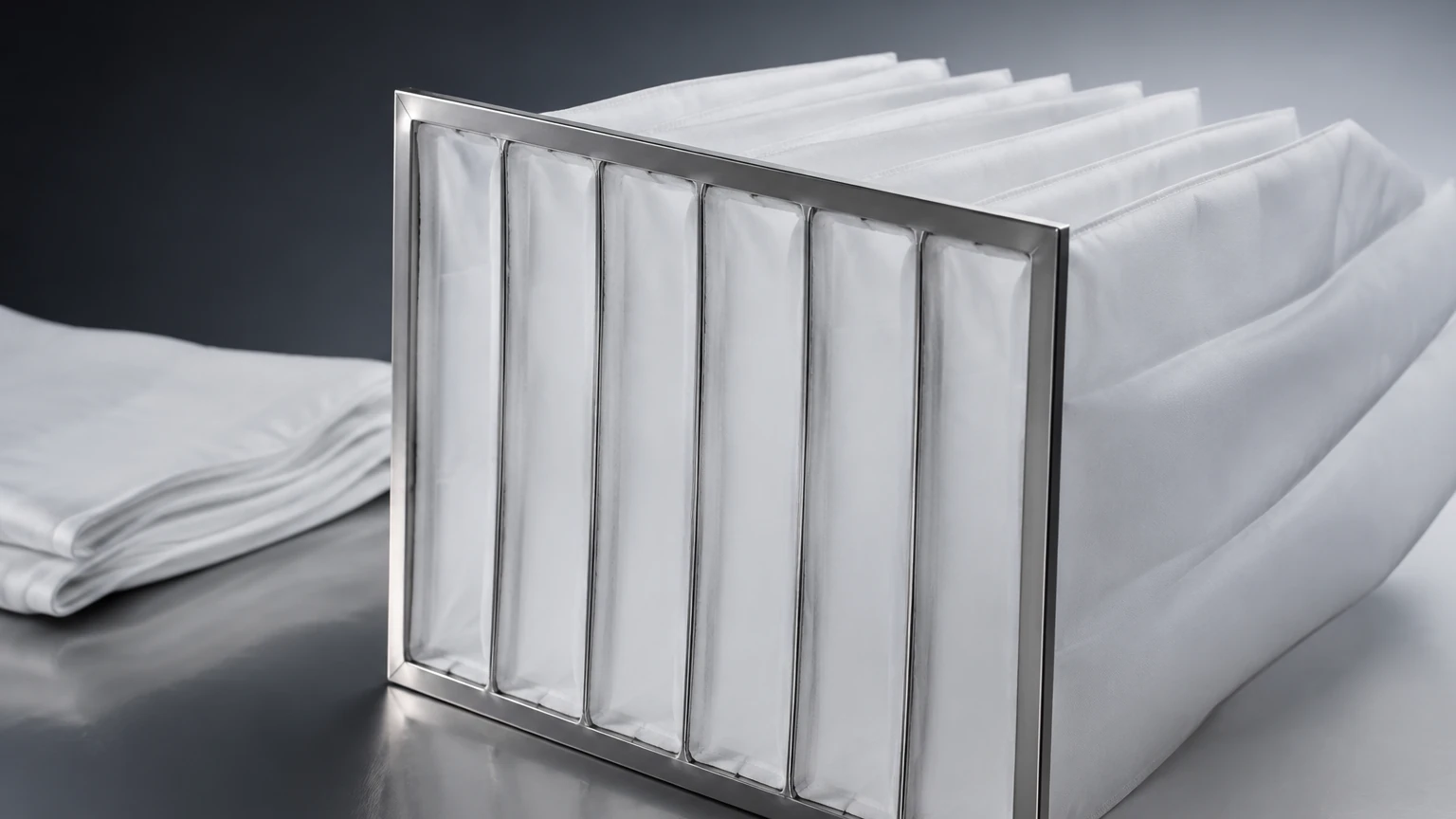
In the landscape of industrial liquid filtration, the synthetic bag filter remains one of the most widely utilized components for managing particle contamination. These filters are valued for their versatility, ease of installation, and relatively low initial cost. However, for engineers and procurement professionals, selecting the correct synthetic bag filter requires a deep understanding of material science, fluid dynamics, and the specific requirements of the industrial process at hand. While synthetic media serve many standard applications, high-demand environments often necessitate a comparison with more durable alternatives, such as the precision stainless steel filtration solutions found on the Main Page of specialized manufacturers.
This guide examines the technical specifications of synthetic bag filters, their operational boundaries, and the engineering considerations necessary to optimize filtration performance in B2B industrial sectors.
Understanding Synthetic Bag Filter Materials and Construction
Synthetic bag filters are typically constructed from thermoplastic polymers. The choice of polymer dictates the filter’s chemical resistance, thermal stability, and mechanical strength. The most common materials include:
Polypropylene (PP)
Polypropylene is a widely used material due to its excellent chemical resistance to both acids and alkalis. It is hydrophobic, meaning it does not absorb water, which helps maintain structural integrity in aqueous solutions. However, PP has a relatively low thermal threshold, typically limited to operating temperatures below 90°C (194°F).
Polyester (PE)
Polyester offers higher thermal resistance than polypropylene, often rated for continuous use up to 150°C (302°F). It provides good resistance to most oxidizing agents and organic solvents, though it is susceptible to hydrolysis in high-temperature, high-moisture environments with extreme pH levels.
Nylon (NMO)
Nylon is frequently used in monofilament mesh constructions. It is highly resistant to abrasion and most solvents, making it suitable for applications where fiber migration must be strictly avoided. Nylon is often the material of choice for automotive coatings and paint filtration.
Media Structures: Needle Felt vs. Monofilament
The performance of a synthetic bag filter is also determined by its construction method:
* Needle Felt: This is a non-woven depth filtration medium. It consists of a dense matrix of fibers that trap particles throughout the thickness of the material. Needle felt is ideal for high-solids loading and achieving nominal filtration ratings.
* Monofilament Mesh: This is a woven surface filtration medium. Each strand is a single continuous fiber, creating precise, square openings. This structure provides a consistent pore size, making it suitable for "scalping" or removing specific large particles from a fluid stream.
Performance Characteristics: Efficiency and Flow Rates
When evaluating a synthetic bag filter, engineers must distinguish between nominal and absolute efficiency. Most synthetic bag filters are nominally rated, meaning they are designed to retain a high percentage (typically 60% to 80%) of particles at their specified micron rating.
Pressure Drop and Flux
The "clean pressure drop" is the initial resistance the filter offers to the fluid flow. As particles accumulate, the pressure drop increases. In industrial systems, the maximum allowable pressure drop (terminal ΔP) is usually between 15 and 25 psi. Exceeding this limit can lead to "bypass," where the pressure forces contaminants through the media or causes the bag to rupture.
Flux, or the flow rate per unit of filter area, is a critical design parameter. For synthetic bags, maintaining a lower flux generally improves filtration efficiency and extends the life of the bag. If the flow rate is too high, particles may be forced through the depth of the felt, a phenomenon known as particle unloading.
Comparing Synthetic Media with Stainless Steel Filtration
While synthetic bag filters are effective for many disposable applications, they have inherent limitations that may lead engineers to consider stainless steel filter cartridges or wire mesh filters.
Durability and Reusability
Synthetic bags are generally consumable items. Once they reach their terminal pressure drop, they are discarded. In contrast, stainless steel filters—such as those manufactured by Kaifil—are cleanable and reusable. For processes with high solids loading or expensive waste disposal requirements, the transition from disposable bags to permanent metal media can significantly reduce the total cost of ownership.
Structural Integrity
Under high-pressure surges, synthetic fibers can shift or stretch, leading to inconsistent filtration. Stainless steel wire mesh provides a rigid structure that maintains precise pore geometry even under fluctuating pressures. This is particularly important in hydraulic systems and high-viscosity chemical processing where precision is paramount.
Environmental Impact
The disposal of used synthetic bags, especially those contaminated with hazardous chemicals, presents an environmental and logistical challenge. Reusable metal filters eliminate this waste stream, aligning with corporate sustainability goals and reducing hazardous waste handling costs.
Engineering Selection Criteria for Industrial Bag Filtration
Selecting a synthetic bag filter is not merely a matter of choosing a micron rating. Engineering teams should confirm the following data points before finalizing a procurement decision:
1. Fluid Viscosity: Higher viscosity fluids require larger filter surface areas or coarser media to maintain acceptable flow rates without excessive pressure drop.
2. Particle Morphology: Are the contaminants deformable (like gels) or rigid (like sand)? Needle felt is better for gels, while monofilament mesh is better for rigid particles.
3. Flow Velocity: Rapid changes in flow velocity can cause "strike-through" in synthetic bags. If the system has high pulsation, a more rigid filter structure may be required.
4. Seal Integrity: The bag-to-housing seal is the most common point of failure. Options include plastic flanges (which provide a bypass-free seal through compression) or metal rings (which rely on the weight of the fluid and the basket).
For complex applications where standard synthetic bags fail to meet performance expectations, engineers often consult the Main Page of technical filtration specialists to explore custom-engineered metal components that offer higher precision.
Chemical Compatibility and Thermal Limitations
One of the primary risks in using synthetic bag filters is material degradation due to chemical incompatibility. Even if a material is generally resistant to a chemical, the presence of trace additives or surfactants can accelerate degradation at elevated temperatures.
| Material | Max Temp (°C) | Acid Resistance | Alkali Resistance | Solvent Resistance |
| :— | :— | :— | :— | :— |
| Polypropylene | 90 | Excellent | Excellent | Fair |
| Polyester | 150 | Good | Poor | Good |
| Nylon | 120 | Poor | Excellent | Excellent |
| PTFE | 260 | Excellent | Excellent | Excellent |
In applications involving aggressive solvents or temperatures exceeding 150°C, synthetic options become limited or prohibitively expensive (such as PTFE). In these instances, stainless steel (304 or 316L) becomes the standard engineering choice due to its near-universal chemical compatibility and ability to withstand temperatures up to 400°C or higher depending on the alloy.
Maintenance, Replacement Cycles, and Total Cost of Ownership
The frequency of replacement for a synthetic bag filter is a major component of the Total Cost of Ownership (TCO). A bag that costs $5 but needs replacement every four hours is significantly more expensive over a year than a $500 stainless steel filter that lasts for years.
Monitoring Differential Pressure
Automated systems should include differential pressure sensors to alert operators when a bag needs replacement. Manual monitoring is prone to error, often leading to bags being changed too early (wasting money) or too late (risking downstream contamination).
Labor and Downtime
Every time a filter housing is opened to replace a synthetic bag, the process must be stopped, or the flow must be diverted. This downtime, combined with the labor cost of the technician, often exceeds the cost of the filter bag itself. Engineers should calculate the "cost per gallon filtered" rather than the "cost per bag" to get an accurate financial picture.
Application-Specific Considerations in Industrial Processes
Food and Beverage
Synthetic bag filters used in food and beverage must comply with FDA and EU food contact regulations. Migration of fibers or chemicals from the filter media into the product is a critical safety concern. Many producers prefer monofilament mesh or stainless steel mesh to ensure zero fiber migration.
Chemical Processing
In the chemical industry, the primary concern is often the safety of the operator during filter changes. If the fluid is toxic or corrosive, reducing the frequency of filter changes is a priority. This often leads to the selection of high-capacity depth media or automated backwashing systems utilizing metal filter elements.
Water Treatment
For pre-filtration in RO (Reverse Osmosis) systems, synthetic bag filters are used to remove silt and large particulates. While effective, the consistency of the micron rating is vital to protect the expensive RO membranes downstream. If the bag bypasses due to poor sealing or media stretching, the membranes can be fouled prematurely.
Conclusion: Making an Informed Decision
While the synthetic bag filter is a staple of industrial filtration, its application must be governed by rigorous engineering standards. Understanding the trade-offs between different synthetic polymers and the structural advantages of metal media is essential for maintaining process efficiency.
For many standard, low-temperature, and non-critical applications, a high-quality synthetic bag is a cost-effective solution. However, as process conditions become more demanding—characterized by high temperatures, aggressive chemicals, or the need for absolute particle retention—the limitations of synthetic media become apparent. In such cases, exploring the advanced manufacturing capabilities and custom stainless steel solutions available through the Main Page of an industrial filtration expert can provide the reliability and durability required for modern industrial operations. By carefully confirming chemical compatibility, flow requirements, and long-term operational costs, engineers can ensure they select the filtration technology that best supports their specific application goals.
