


Filter Press Affordability
In the landscape of industrial liquid-solid separation, the concept of affordability is often misunderstood as the lowest initial purchase price. However, for engineers and procurement professionals in sectors such as chemical processing, pharmaceuticals, and wastewater treatment, true filter press affordability is defined by the Total Cost of Ownership (TCO). A filter press represents a significant capital investment, but its long-term economic value is dictated by operational efficiency, maintenance requirements, and the durability of its internal components.
Achieving an affordable filtration solution requires a deep dive into engineering specifications, material compatibility, and the specific demands of the application. This guide explores the technical factors that influence the cost-effectiveness of filter press systems and how precision-engineered components, such as those found on our Main Page, contribute to long-term savings.
Understanding Total Cost of Ownership (TCO)
To accurately evaluate the affordability of a filter press, one must look beyond the Capital Expenditure (CAPEX) and account for the Operational Expenditure (OPEX). The initial cost of the machine is only the starting point. Over a decade of operation, the costs associated with energy, labor, replacement parts, and downtime can easily exceed the original purchase price.
Capital Expenditure (CAPEX)
CAPEX includes the frame, the hydraulic closing system, the plate stack, and the initial set of filter media. While it may be tempting to opt for a budget-friendly frame, a lightweight or poorly constructed chassis may flex under high pressure, leading to leaks and premature wear of the filter plates. High-quality construction ensures that the mechanical integrity of the press remains intact through thousands of cycles.
Operational Expenditure (OPEX)
OPEX is where the true test of filter press affordability occurs. Key factors include:
* Energy Consumption: The power required for the hydraulic systems and feed pumps.
* Labor Costs: The time required for cake discharge, plate shifting, and cleaning cycles.
* Consumables: The frequency and cost of replacing filter cloths or mesh screens.
* Waste Disposal: The moisture content of the filter cake significantly impacts disposal costs. A more efficient press that produces drier cakes can save thousands of dollars annually in hauling fees.
Engineering Factors Influencing Affordability
The design of the filter press directly impacts its throughput and efficiency. Engineers must balance the mechanical design with the specific rheology of the slurry being processed.
Plate Design and Pressure Ratings
Filter presses typically utilize recessed chamber plates or membrane plates. Membrane plates, while more expensive initially, allow for "cake squeezing," which significantly reduces moisture content and cycle times. In many high-volume industrial applications, the reduction in cycle time leads to a faster Return on Investment (ROI), making the more expensive plate design the more affordable choice over the long term.
Filtration Accuracy and Media Selection
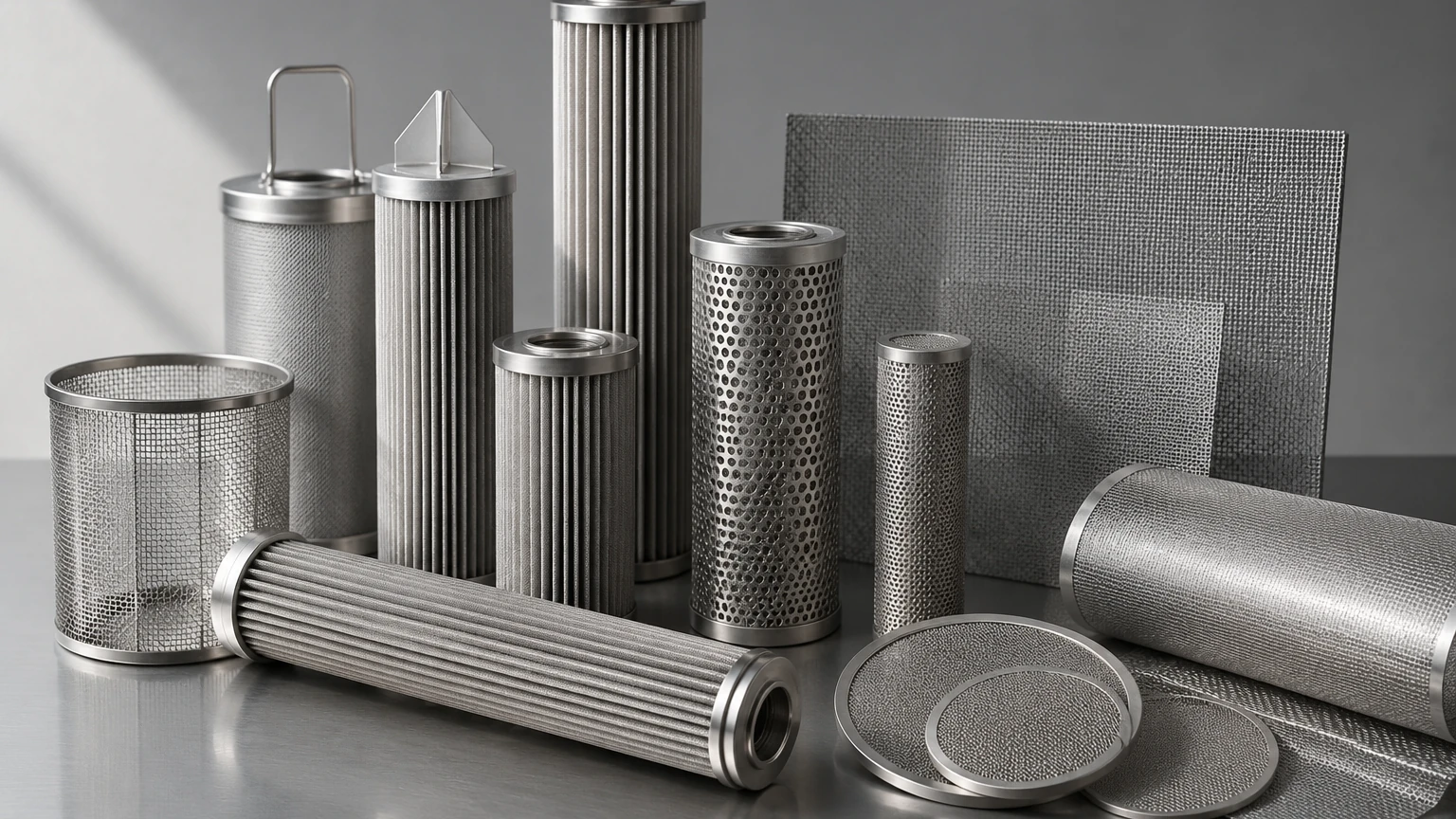
The choice of filter media is perhaps the most critical factor in determining the performance of the press. While traditional cloth filters are common, many industrial processes benefit from the integration of stainless steel wire mesh filters or custom metal filter components. These materials offer superior mechanical strength and chemical resistance, which are essential for maintaining filtration accuracy in demanding environments.
The Role of Stainless Steel Components in Cost Reduction
For industries dealing with corrosive chemicals, high temperatures, or strict hygiene requirements—such as food and beverage or pharmaceutical manufacturing—stainless steel is the gold standard. Utilizing stainless steel filter cartridges and precision metal components within the filtration system enhances filter press affordability by extending the service life of the equipment.
Corrosion Resistance and Durability
Standard carbon steel or plastic components may degrade when exposed to aggressive solvents or extreme pH levels. This degradation leads to frequent replacements and unexpected downtime. Stainless steel, particularly grades like 304 or 316L, provides the necessary resilience to withstand these conditions. By reducing the frequency of component failure, the overall maintenance budget is kept in check.
Precision Engineering and Customization
Customization is a key driver of affordability. A "one-size-fits-all" filter press often operates at sub-optimal efficiency. By working with manufacturers who offer OEM and customized filtration solutions, engineers can specify the exact wire mesh weave, micron rating, and structural design required for their specific slurry. This precision ensures maximum solids recovery and filtrate clarity, reducing the need for secondary polishing stages.
Maintenance and Replacement Cycles
A primary drain on industrial budgets is the unplanned maintenance of filtration equipment. To maintain affordability, a proactive maintenance schedule must be established, supported by high-quality replacement parts.
Cleaning and Regenerability
One of the hidden costs of filtration is the labor involved in cleaning filter media. Stainless steel wire mesh filters are often easier to clean than synthetic cloths, especially when using Clean-in-Place (CIP) systems. The ability to effectively backwash or chemically clean metal filters allows them to be reused for significantly longer periods than disposable media, which directly improves the bottom line.
Predictable Replacement Schedules
Using high-performance filter products allows for more predictable replacement cycles. When components are engineered to withstand the specific pressures and temperatures of a process, engineers can schedule maintenance during planned shutdowns rather than reacting to catastrophic failures. This predictability is a cornerstone of operational affordability.
Selection Criteria for Engineers and Purchasing Teams
When evaluating suppliers for filter press components and customized filtration solutions, technical professionals should confirm several key data points to ensure they are making a cost-effective decision.
1. Material Certification: Ensure that all stainless steel components come with material mill certificates to verify grade and purity, preventing premature corrosion.
2. Filtration Efficiency Ratings: Request detailed data on micron ratings and flow rates. A filter that is too fine will clog prematurely, while one that is too coarse will result in poor product quality.
3. Mechanical Compatibility: For OEM applications, confirm that custom filter cartridges or mesh screens are designed to fit existing housings without requiring expensive modifications.
4. Total Lifecycle Support: Evaluate the manufacturer’s ability to provide technical guidance on material selection and performance optimization.
Impact of Filtration Accuracy on Downstream Processes
The affordability of a filter press is also tied to the protection it provides for downstream equipment. In many industrial circuits, the filter press is followed by high-pressure pumps, heat exchangers, or precision nozzles. If the filter press fails to remove sufficient solids due to bypass or poor media selection, these downstream components can suffer from erosion, scaling, or clogging.
By investing in high-quality stainless steel filtration solutions, facilities can protect their entire production line. The cost of replacing a damaged high-pressure pump far outweighs the marginal increase in price for a precision-engineered filter element. Therefore, the "affordable" choice is the one that provides the most reliable protection for the entire system.
Conclusion: Balancing Performance and Value
True filter press affordability is achieved through a combination of robust mechanical design, precise material selection, and an understanding of the specific application requirements. While the initial price is a factor, the long-term success of a filtration project depends on the durability and efficiency of the components used.
By focusing on stainless steel filtration solutions and customized designs, industrial operators can reduce waste, minimize downtime, and lower their total cost of ownership. For those looking to optimize their filtration performance, it is essential to partner with a manufacturer that understands the engineering complexities of the process. To explore how customized metal filtration components can improve your operational efficiency, Review product options and application support on our main site.
Investing in quality today ensures that your filtration system remains a reliable and cost-effective asset for years to come. Whether you are handling chemical slurries, food-grade liquids, or hydraulic fluids, the right filtration components are the foundation of an affordable and productive industrial process.
