


Why Is There Foam in My Fish Tank
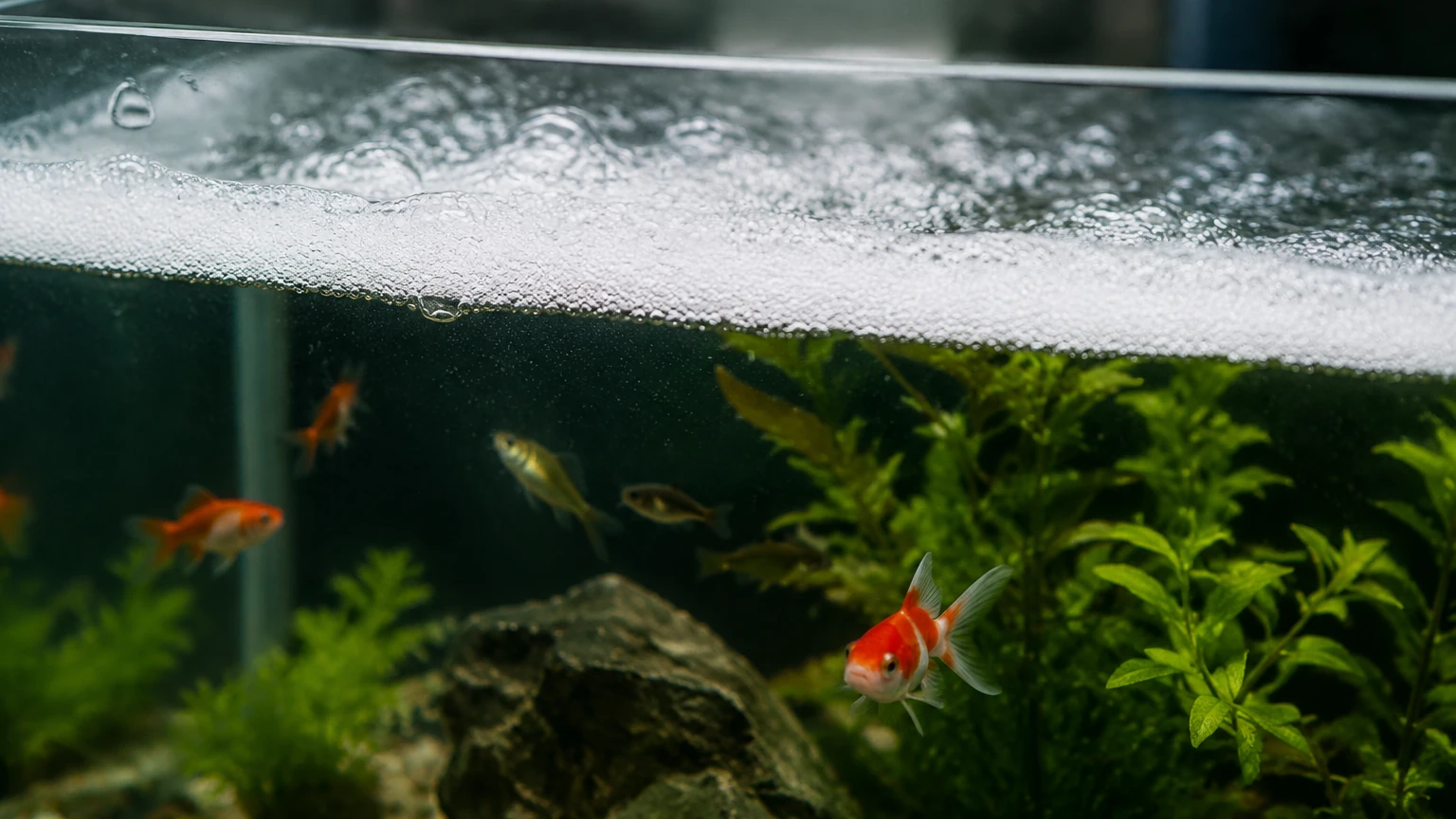
In the context of industrial aquatic systems, large-scale aquaculture, and commercial water treatment, the appearance of surface foam is rarely just an aesthetic concern. It is a physical manifestation of chemical imbalances and filtration inefficiencies. For engineers and facility managers, understanding the root causes of foam—often phrased by operators as "why is there foam in my fish tank" or system—is the first step toward optimizing water quality and protecting high-value biological or chemical assets.
Surface foam in a closed-loop water system typically indicates a high concentration of dissolved organic compounds (DOCs). These compounds act as surfactants, reducing the surface tension of the water and allowing air bubbles to persist at the surface rather than bursting. While the phenomenon is common in small-scale aquaria, its presence in industrial applications suggests a failure in the mechanical or biological filtration stages, necessitating a technical review of the filtration hardware and process parameters.
The Chemistry of Surface Foam: Dissolved Organic Compounds (DOCs)
To address the question of why is there foam in my fish tank or industrial reservoir, one must look at the molecular level. Foam is essentially a collection of air bubbles trapped by a thin film of water that has been stabilized by organic molecules. These molecules, known as surfactants, have a hydrophilic (water-attracting) head and a hydrophobic (water-repelling) tail.
In aquatic environments, these surfactants are primarily composed of proteins, amino acids, and fatty acids. These substances enter the water through several channels:
1. Biological Waste: Metabolic byproducts from fish or microorganisms.
2. Decomposing Matter: Uneaten feed or decaying organic solids that have not been removed by mechanical filters.
3. External Contaminants: Oils, soaps, or chemical additives introduced during cleaning or maintenance.
When the concentration of these DOCs reaches a certain threshold, the surface tension of the water drops significantly. As aeration systems or water returns introduce air into the column, the bubbles rise to the surface. Instead of popping, they are coated by the organic film, resulting in a thick, persistent foam. In industrial settings, this foam can interfere with sensors, reduce oxygen exchange at the air-water interface, and harbor pathogenic bacteria.
Mechanical Filtration Failures and Foam Accumulation
The primary defense against the buildup of foam-causing organics is a robust mechanical filtration system. When operators observe foam, it often points to a mismatch between the filtration capacity and the system's organic load. If the mechanical filter cannot effectively capture fine particulate matter, those solids remain in the water to decompose, further contributing to the DOC pool.
Traditional disposable filters or low-grade plastic meshes often suffer from bypass or premature clogging in high-load scenarios. When a filter clogs, the internal pressure increases, which can force organic solids through the media or cause the system to enter a bypass mode where water remains untreated. To prevent this, industrial systems require precision-engineered components. For those seeking to upgrade their infrastructure, reviewing a Main Page of professional filtration solutions can provide insight into the types of stainless steel media designed to handle high flow rates without sacrificing filtration accuracy.
The Role of Stainless Steel Filtration in Foam Prevention
In demanding industrial aquatic applications, the material and design of the filter cartridge are critical. Stainless steel wire mesh filters offer several engineering advantages over synthetic alternatives in managing the precursors to foam.
Precision Micron Ratings
Stainless steel filters can be manufactured with extremely precise pore sizes. By capturing organic solids at the micron level before they have the chance to break down into dissolved compounds, these filters significantly reduce the surfactant load in the water. This proactive removal is the most effective way to address the root cause of why is there foam in my fish tank or process tank.
Durability and Chemical Resistance
Industrial water treatment often involves fluctuating pH levels or the presence of cleaning agents. Unlike plastic media, which may degrade or leach chemicals—potentially adding to the foam problem—304 or 316L stainless steel remains inert. This ensures that the filtration process itself does not introduce new surfactants into the system.
High Flow Rates and Low Pressure Drop
The structural integrity of stainless steel allows for a high open-area ratio. This means the system can maintain high flow rates, ensuring that the entire volume of water is turned over and filtered frequently. Efficient turnover prevents the stagnation where organic films tend to aggregate.
Engineering Considerations: Protein Skimming and Aeration
In some high-density aquaculture or wastewater scenarios, mechanical filtration alone may not be sufficient to remove dissolved organics. This is where protein skimming (or foam fractionation) comes into play. A protein skimmer intentionally creates foam in a controlled chamber, allowing the concentrated DOCs to be lifted out of the water and discarded.
However, for a protein skimmer to function efficiently, the upstream mechanical filtration must be impeccable. If large particles enter the skimmer, they can clog the venturi injectors or disrupt the bubble column. Utilizing custom stainless steel filter cartridges as a pre-filtration stage ensures that the water entering the fractionation process is free of large debris, allowing the skimmer to focus exclusively on the dissolved molecular load.
Maintenance Protocols and Total Cost of Ownership
A common reason for the recurring question "why is there foam in my fish tank" is a lack of consistent maintenance or the use of sub-optimal filter media that is difficult to clean. In an industrial B2B environment, the total cost of ownership (TCO) is a primary metric. While disposable filters have a lower initial cost, their frequent replacement and the labor associated with downtime can be prohibitive.
Stainless steel filtration solutions are designed for longevity. They can be cleaned via backwashing, ultrasonic baths, or chemical cleaning, returning the media to its original performance specifications. This consistency is vital for maintaining a stable aquatic environment. When the filtration performance is predictable, the organic load remains under control, and the risk of surface foam is minimized.
Customization: Tailoring Filtration to the Application
No two industrial aquatic systems are identical. The organic load in a public aquarium differs significantly from that of a recirculating aquaculture system (RAS) for tilapia or a pharmaceutical process water loop. Therefore, a "one size fits all" approach to filtration often leads to performance gaps, such as foam accumulation.
Customization options for stainless steel filters include:
* Weave Types: Plain weave, twill weave, or Dutch weave, each offering different levels of strength and filtration fineness.
* Structural Reinforcement: Internal cores or external cages to withstand high differential pressures.
* End Cap Configurations: Custom fittings to ensure a leak-proof seal within existing filter housings.
By selecting a filter specifically engineered for the expected organic load and flow requirements, engineers can eliminate the variables that lead to surfactant buildup.
Summary of Best Practices for Foam Control
To effectively manage and prevent surface foam in professional aquatic systems, the following technical steps are recommended:
1. Analyze the Source: Determine if the foam is caused by biological overstocking, overfeeding, or external chemical contamination.
2. Optimize Mechanical Filtration: Ensure that the micron rating of your filter media is fine enough to capture the specific organic solids present in your system. Stainless steel wire mesh is often the preferred choice for its precision and cleanability.
3. Increase Turnover Rates: Ensure the pump and filter assembly can handle a high volume of water, preventing the accumulation of DOCs in dead zones.
4. Monitor Water Chemistry: Regularly test for dissolved oxygen and organic carbon levels. Persistent foam is often a leading indicator of a drop in water quality before it becomes a critical failure.
5. Invest in Quality Hardware: Move away from disposable components that are prone to bypass. High-performance stainless steel cartridges provide the reliability needed for 24/7 industrial operations.
Conclusion
Addressing why is there foam in my fish tank or industrial system requires a transition from reactive maintenance to proactive engineering. Foam is not an inevitable part of water management; it is a signal that the current filtration strategy is being overwhelmed by organic surfactants. By implementing high-precision stainless steel filtration solutions, facilities can ensure superior water clarity, stable oxygen levels, and a significant reduction in the chemical precursors that cause surface foam. For those looking to optimize their systems with durable, custom-designed components, the first step is to evaluate the technical specifications of their current filtration hardware and consider the long-term benefits of precision metal media.
