


Asphalt Baghouse System
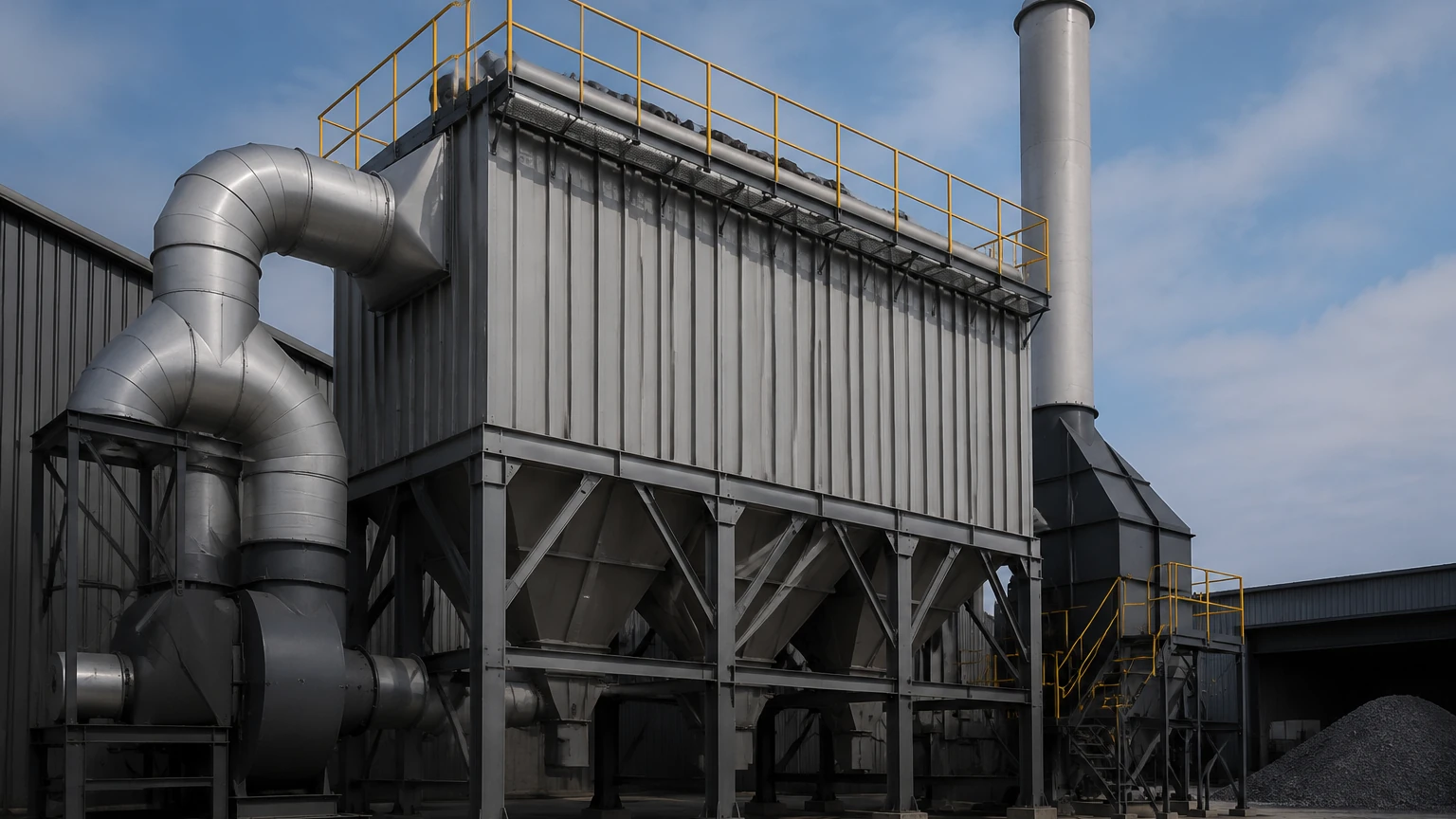
In the production of hot mix asphalt (HMA), the management of particulate matter and exhaust gases is a critical operational requirement. An asphalt baghouse system serves as the primary air pollution control device, designed to capture fine dust particles generated during the heating and mixing of aggregates. For engineers and facility managers, understanding the technical nuances of these systems—from airflow dynamics to the selection of filtration media—is essential for maintaining regulatory compliance, protecting downstream equipment, and optimizing the total cost of ownership.
Industrial filtration in asphalt plants operates under demanding conditions, including high temperatures, abrasive dust loads, and the presence of moisture and combustion byproducts. Selecting the right filtration components requires a deep dive into material science and mechanical engineering to ensure the system can withstand the rigors of continuous operation.
Understanding the Asphalt Baghouse System Functionality
The asphalt baghouse system operates on the principle of fabric filtration, though specialized applications may incorporate metal filtration components for enhanced durability. The process begins at the aggregate dryer, where raw materials are heated. The resulting exhaust gas, laden with fine dust (often referred to as "fines"), is pulled into the baghouse by a large exhaust fan.
Once inside the baghouse, the gas passes through a series of filter elements. The dust is collected on the surface of the media, forming a "dust cake" that actually aids in the filtration process by catching even smaller particles. Periodically, a cleaning mechanism—typically a pulse-jet system using compressed air—dislodges the dust cake, which falls into a hopper for removal or recycling back into the asphalt mix.
For many operators, the efficiency of this cycle depends on the integrity of the filter media. While traditional fabric bags are common, high-performance environments often require custom-engineered solutions. To explore specific filtration components that can be integrated into industrial systems, engineers can Main Page to review product options and application support.
Critical Components and Engineering Considerations
Designing or upgrading an asphalt baghouse system involves several critical engineering variables. Each component must be synchronized to handle the specific volume and temperature of the exhaust gas produced by the plant.
Filter Media Selection
In asphalt applications, filter media must typically withstand temperatures ranging from 300°F to 450°F (149°C to 232°C). Common materials include Aramid (Nomex), PPS (Ryton), and P84. However, in scenarios where spark carryover is a risk or where extreme chemical resistance is required, stainless steel wire mesh or sintered metal filters may be utilized as pre-filters or spark arrestors. These metal components provide a robust barrier that fabric cannot match, preventing premature bag failure and fire hazards.
Air-to-Cloth Ratio (ACR)
The ACR is the volume of gas passing through a square foot of filter media per minute (expressed as CFM/ft²). For an asphalt baghouse system, a typical ACR ranges from 4:1 to 6:1. If the ACR is too high, the velocity of the dust particles increases, leading to "blinding" (where dust becomes embedded in the media) and excessive pressure drops. Engineering a system with a conservative ACR ensures longer filter life and lower energy consumption for the exhaust fan.
Pulse-Jet Cleaning Systems
Modern baghouses utilize pulse-jet technology, where short bursts of high-pressure compressed air are injected into the filter elements. This creates a shockwave that flexes the media and sheds the dust. The timing and pressure of these pulses must be precisely calibrated. Over-cleaning can lead to premature wear and reduced efficiency, while under-cleaning causes high differential pressure and reduced airflow at the dryer.
Key Evaluation Criteria for Industrial Filtration Performance
When evaluating the performance of an asphalt baghouse system, engineers should focus on measurable data points that correlate with operational efficiency and environmental compliance.
1. Differential Pressure (DP): This is the measurement of pressure drop across the filter media. A stable DP indicates a healthy cleaning cycle. A sudden rise in DP often signals moisture issues or media blinding, while a sudden drop may indicate a ruptured filter.
2. Particulate Matter (PM) Emissions: Compliance with environmental standards (such as EPA Title V in the US) requires the system to maintain emissions below specific milligrams per dry standard cubic meter. High-quality stainless steel filtration components can assist in achieving these tight tolerances in specialized zones.
3. Temperature Stability: The system must handle the "dew point" carefully. If the exhaust gas cools too much, moisture condenses, turning the dust into a mud-like substance that permanently ruins fabric filters. Conversely, exceeding the temperature limit can melt synthetic fibers.
4. Micron Rating and Efficiency: Understanding the particle size distribution of the aggregate fines is vital. Filtration components must be selected based on their ability to capture the specific micron range of the dust generated by the local aggregate source.
Common Risks and Operational Challenges
Operating an asphalt baghouse system is not without its risks. Identifying these challenges early allows for the implementation of preventative engineering solutions.
Blinding and Mudding
As mentioned, moisture is the enemy of the baghouse. If the system is started before the dryer has reached a stable temperature, or if there is a leak in the housing, moisture combines with the dust. This "mudding" prevents the pulse-jet system from cleaning the bags, leading to a complete system shutdown. Proper insulation and pre-heating cycles are essential mitigations.
Spark Carryover
In many asphalt plants, especially those utilizing Recycled Asphalt Pavement (RAP), unburnt fuel or hot embers can be carried into the baghouse. These sparks can easily ignite synthetic filter bags. Integrating stainless steel spark arrestors or metal mesh screens at the baghouse inlet provides a factual, physical barrier that cools or traps these embers before they reach the primary filter house.
Chemical Corrosion
The combustion of certain fuels (like heavy oil or coal) can produce sulfur oxides. When combined with moisture, these form acids that corrode the internal metal structures of the baghouse and degrade the filter media. In these environments, selecting corrosion-resistant materials, such as 304 or 316L stainless steel for cages and support structures, is a necessity for longevity.
Customization and Material Selection: The Role of Stainless Steel
While standard baghouses rely heavily on polymer-based fabrics, the move toward more efficient and durable industrial filtration often leads engineers to consider custom metal solutions. Stainless steel filtration components, such as those manufactured by Kaifil, offer distinct advantages in the most demanding sections of an asphalt baghouse system.
Customized stainless steel wire mesh filters provide high permeability and precise filtration accuracy. Unlike fabric, metal filters can be cleaned and reused multiple times, offering a lower total cost of ownership in high-wear applications. Furthermore, the structural integrity of stainless steel allows for the design of thinner, more efficient filter profiles that can handle higher flow rates without deforming. For teams looking to optimize their filtration hardware, the Main Page offers a gateway to engineering expertise and specialized manufacturing capabilities.
In the context of an asphalt baghouse, stainless steel is often the material of choice for:
* Support Cages: Ensuring the filter bag does not collapse under vacuum.
* Inlet Diffusers: Distributing airflow evenly to prevent localized abrasion.
* High-Temperature Pre-filters: Protecting the main baghouse from thermal shocks and heavy particulate loads.
Technical Checklist Before Purchasing or Upgrading
Before finalizing a purchase or initiating a system upgrade, purchasing teams and engineers should confirm the following technical details with their filtration partner:
* Gas Volume and Temperature: Provide accurate CFM (Cubic Feet per Minute) and temperature ranges, including potential spikes during RAP processing.
* Dust Characteristics: Determine the abrasiveness, chemical composition, and particle size distribution of the fines.
* Compatibility: Ensure that any new metal filtration components are compatible with existing housing dimensions and cleaning mechanisms.
* Replacement Cycles: Request data on the expected lifespan of the filtration media under specific operating conditions to calculate the long-term maintenance budget.
* Customization Options: Confirm if the manufacturer can provide bespoke sizes or material grades (e.g., 316L for high-sulfur environments) to meet specific site requirements.
By focusing on these factual engineering boundaries, asphalt plant operators can ensure their baghouse system remains a reliable asset rather than a source of downtime. The integration of high-performance materials and a thorough understanding of filtration principles are the keys to a successful, long-term operation.
