


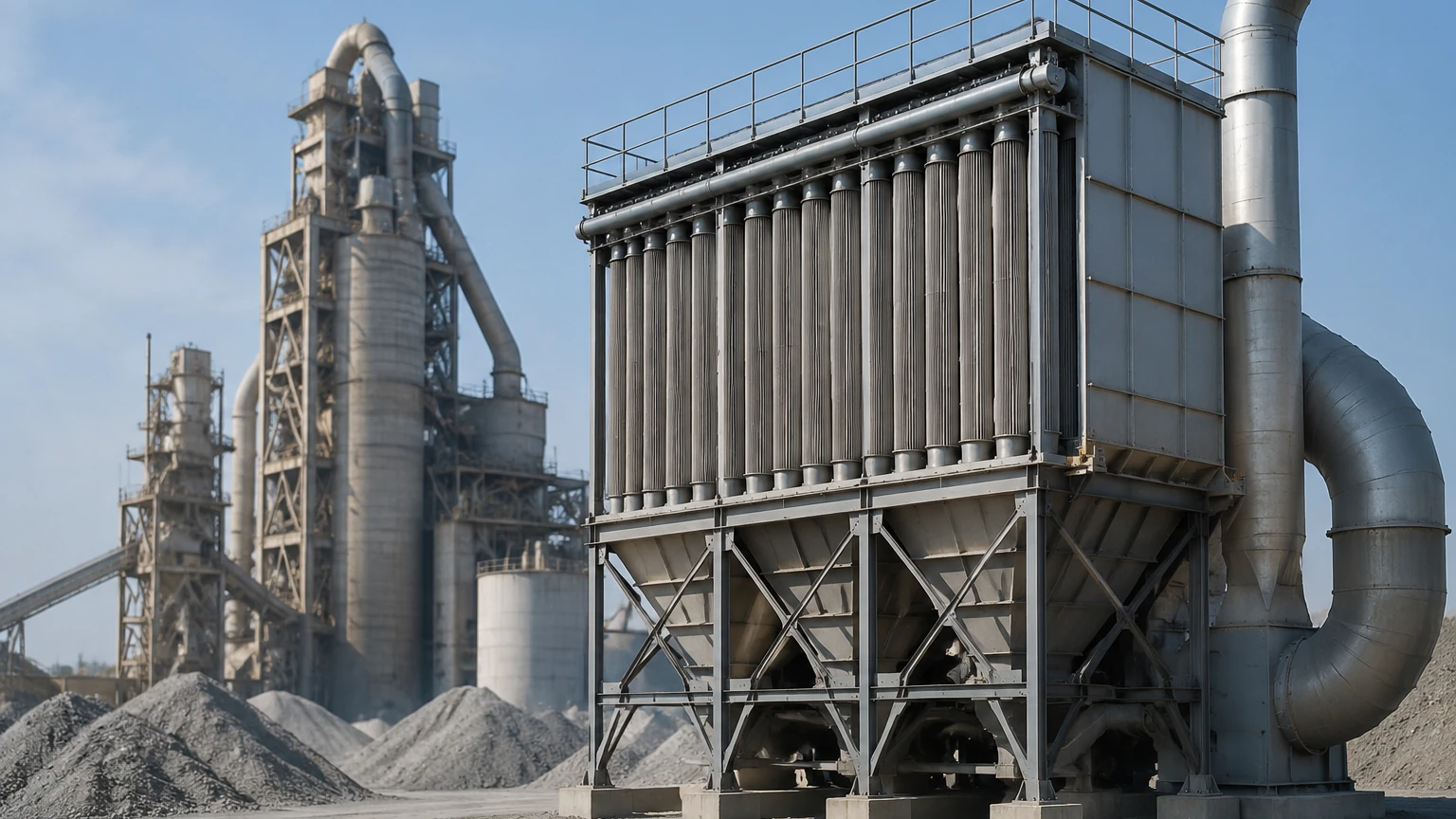
Dust Collector for Cement Industry
In the landscape of heavy industrial manufacturing, cement production stands out as one of the most challenging environments for air quality and particulate management. A robust dust collector for cement industry applications is not merely an environmental compliance measure; it is a fundamental requirement for operational efficiency, equipment protection, and resource recovery. From the initial crushing of raw materials to the final stages of packaging, cement plants generate vast quantities of abrasive, fine, and often high-temperature dust that can compromise both machinery and air quality if not managed with precision-engineered filtration solutions.
For engineers and plant managers, selecting the right filtration components within a dust collection system is a critical decision. The performance of these systems depends heavily on the durability and efficiency of the filter media used. As industrial processes become more demanding, the shift toward high-performance materials, such as stainless steel wire mesh and specialized metal filter cartridges, has become increasingly prevalent in critical zones of the cement manufacturing process.
The Critical Role of Dust Collection in Cement Production
Cement manufacturing is a multi-stage process where almost every step involves the handling of dry, powdery materials. The primary function of a dust collector in this context is to capture suspended particles from the air stream. This process serves three main purposes: environmental protection, worker safety, and product recovery.
Raw Material Handling and Crushing
In the early stages, limestone, clay, and other minerals are crushed and transported. This creates significant mechanical dust. Without effective dust collection, this dust can settle on sensitive mechanical components, leading to premature wear and increased maintenance costs. Industrial filtration systems at this stage must handle high volumes of coarse particulates.
The Kiln and Preheater System
The kiln is the heart of the cement plant, where raw meal is heated to approximately 1,450°C. The exhaust gases from the kiln are not only laden with fine dust but are also extremely hot and chemically aggressive. Standard fabric filters often struggle in these conditions. Utilizing advanced metal filtration components allows for higher temperature tolerances and better resistance to the chemical bypass often found in kiln emissions.
Clinker Cooling and Finishing Mills
After the kiln, the clinker must be cooled rapidly. The air used for cooling becomes saturated with highly abrasive clinker dust. Finally, in the finishing mills, the clinker is ground into the fine powder we recognize as cement. At this stage, the dust collector is essentially part of the production line, as the captured dust is the final product itself. High-efficiency filtration ensures that valuable product is not lost to the atmosphere.
Engineering Challenges: High Temperatures and Abrasive Particulates
Designing a dust collector for cement industry use requires addressing several harsh variables that are unique to this sector. Unlike standard HVAC or light industrial filtration, cement dust presents a combination of physical and thermal stresses that can quickly degrade inferior filter media.
1. Thermal Stress: Exhaust gases from kilns and clinker coolers can exceed the operating limits of traditional polyester or aramid needle felts. While cooling towers are often used to drop gas temperatures, spikes are common. Stainless steel filter elements provide a safety margin, capable of withstanding continuous high-temperature exposure without losing structural integrity.
2. Abrasion: Cement and clinker particles are highly abrasive. In high-velocity air streams, these particles act like sandblasting media against the filter surface. Precision-woven wire mesh and sintered metal filters offer superior mechanical strength compared to synthetic fibers, significantly extending the service life of the filter elements.
3. Chemical Corrosion: Depending on the fuel source used in the kiln (such as coal, petcoke, or alternative fuels), the exhaust gas may contain sulfur oxides (SOx) and nitrogen oxides (NOx). When combined with moisture, these can form acidic compounds. Using corrosion-resistant materials like 316L stainless steel ensures the filtration system remains functional even in chemically aggressive environments.
Advantages of Stainless Steel Filtration Solutions
In the most demanding sections of a cement plant, stainless steel filtration components offer distinct technical advantages over traditional media. Kaifil specializes in manufacturing these high-performance components, providing the durability required for heavy-duty industrial applications. For more information on specific technical specifications, you can visit the Main Page of our site to review product options and application support.
Structural Integrity and Pressure Resistance
Stainless steel filter cartridges are self-supporting. Unlike fabric bags that require internal cages (which can become a point of wear), metal filters maintain their shape under high differential pressure. This stability prevents the "breathing" effect that can lead to particle bypass in fabric-based systems.
Precision Filtration and Cleanability
With advanced weaving and sintering technologies, stainless steel wire mesh can be manufactured to precise micron ratings. This ensures consistent filtration efficiency. Furthermore, metal filters are highly responsive to pulse-jet cleaning. The rigidity of the media allows the compressed air pulse to effectively dislodge the dust cake, maintaining a lower average pressure drop across the system and reducing energy consumption by the primary fan.
Longevity and Total Cost of Ownership (TCO)
While the initial investment in stainless steel or precision metal filtration components may be higher than synthetic alternatives, the total cost of ownership is often lower. The extended replacement cycles, reduced downtime for maintenance, and the ability to clean and reuse certain metal elements provide significant long-term savings for cement plant operators.
Key Selection Criteria for Industrial Filtration Components
When specifying components for a dust collector for cement industry applications, engineers must evaluate several performance metrics to ensure the system meets both operational and regulatory requirements.
Filtration Efficiency and Micron Rating
The primary goal is to meet emission standards, which often require capturing particles down to the PM2.5 or even PM1.0 level. It is essential to confirm that the filter media can maintain its efficiency rating throughout its operational life, not just when it is new.
Air-to-Cloth Ratio (Filtration Velocity)
In cement applications, the filtration velocity must be carefully managed. If the velocity is too high, abrasive particles can be driven into the media, causing "blinding" or physical damage. Metal filters often allow for optimized air-to-cloth ratios due to their pleated designs, which maximize surface area within a compact footprint.
Material Compatibility
Selection between 304, 316, or even specialized high-nickel alloys depends on the specific gas chemistry. For most cement applications, 304 stainless steel provides excellent strength and heat resistance, while 316L is preferred if there is a risk of acid dew point corrosion during system startup or shutdown.
Customization and OEM Solutions for Cement Filtration
Every cement plant has a unique layout and specific operational parameters. Off-the-shelf filtration solutions often fall short of providing the necessary performance in specialized zones like the alkali bypass or the clinker cooler exhaust. This is where customization becomes a vital part of the engineering process.
Customized stainless steel filter cartridges can be designed to fit existing housings, allowing for system upgrades without the need for extensive structural modifications. Engineers should look for partners who can provide:
* Custom Dimensions: Tailoring the length, diameter, and end-cap configuration to ensure a perfect seal.
* Optimized Pleat Geometry: Adjusting the pleat count and depth to balance surface area with dust release characteristics.
* Specific Mesh Counts: Utilizing multi-layer sintered mesh to provide both a fine filtration layer and a robust support layer.
By working closely with a manufacturer that understands the nuances of metal filtration, cement plants can achieve a level of reliability that standard filter bags cannot match.
Maintenance and Operational Longevity
To maximize the lifespan of a dust collector for cement industry use, a proactive maintenance strategy is essential. Even the most durable stainless steel filters require proper operational oversight.
Monitoring Differential Pressure
The pressure drop across the filter bank is the most important indicator of system health. A sudden drop may indicate a leak or a failed seal, while a steady increase that cannot be reversed by cleaning indicates media blinding. Modern systems utilize automated pulse-jet controllers that trigger cleaning cycles based on real-time pressure readings, ensuring the system operates within its most efficient window.
Inspection and Cleaning Cycles
Regular inspections of the clean-air side of the collector can reveal early signs of particulate bypass. For stainless steel elements, periodic ultrasonic cleaning or chemical cleaning (depending on the dust type) can restore the media to near-original performance levels, a process not possible with synthetic bags.
Replacement Planning
While metal filters offer exceptional longevity, they are not infinite. Planning for replacement based on historical performance data prevents emergency shutdowns. Having a reliable OEM partner ensures that replacement components meet the exact specifications of the original design, maintaining the integrity of the filtration process.
Conclusion: Optimizing Filtration for the Future
As environmental regulations tighten and the push for greater energy efficiency in cement production intensifies, the role of the dust collector becomes even more central to the plant's success. Transitioning to high-performance filtration components, such as those offered by Kaifil, allows cement producers to handle higher temperatures, resist abrasive wear, and achieve lower emission levels with greater consistency.
By focusing on material durability, precision engineering, and customized designs, engineers can ensure that their dust collector for cement industry applications delivers reliable performance in the face of the sector's harshest challenges. For those looking to optimize their industrial filtration systems, selecting a partner with deep manufacturing expertise in stainless steel solutions is the first step toward long-term operational excellence.
