


The Tank of the Air Compressor Is Subjected
In industrial compressed air systems, the air receiver tank—often simply referred to as the tank—serves as a critical buffer between the compressor and the point of use. It is far more than a simple storage vessel; it is a pressurized component that must withstand a variety of physical and chemical stresses. Understanding what the tank of the air compressor is subjected to is essential for engineers and maintenance teams to ensure system safety, efficiency, and longevity.
From internal pressure fluctuations to the corrosive effects of accumulated condensate, the integrity of the pressure vessel depends heavily on the quality of the materials used and the effectiveness of the filtration solutions integrated into the system. As a manufacturer specializing in stainless steel filtration, Kaifil provides the technical components necessary to mitigate the risks associated with the harsh environments found inside these tanks.
Internal Pressure and Cyclic Loading
The primary stressor that the tank of the air compressor is subjected to is internal pneumatic pressure. Most industrial receiver tanks are designed to operate at specific pressure ranges, typically between 80 and 175 PSI, though high-pressure applications can exceed these limits significantly.
This pressure is not static. Because compressors cycle on and off based on demand, the tank undergoes "cyclic loading." This repeated expansion and contraction of the vessel walls can lead to metal fatigue over time. Engineers must account for these cycles when specifying the wall thickness and material grade of the tank. For systems operating in demanding environments, such as chemical processing or offshore platforms, the use of high-strength stainless steel components is often preferred over standard carbon steel to provide a higher safety margin against fatigue-related failure.
Corrosion Risks: The Impact of Moisture and Condensate
One of the most destructive forces that the tank of the air compressor is subjected to is internal corrosion. When air is compressed, its temperature rises, and its ability to hold water vapor increases. As this air enters the receiver tank, it cools, causing the water vapor to condense into liquid droplets.
This condensate often contains a mixture of water, atmospheric pollutants, and aerosolized lubricants from the compressor pump. If left untreated, this acidic slurry settles at the bottom of the tank, leading to pitting corrosion. Pitting is particularly dangerous because it can compromise the structural integrity of the pressure vessel from the inside out, often remaining undetected during a standard visual external inspection. Utilizing stainless steel filtration components from the Main Page can help remove these contaminants before they ever reach the storage stage, significantly extending the life of the vessel.
Thermal Stresses and Temperature Fluctuations
Temperature plays a dual role in the stresses a compressor tank faces. Internally, the tank is subjected to the heat of compression. While the tank acts as a secondary heat exchanger, helping to cool the air before it moves downstream, this thermal energy causes expansion in the metal.
Externally, the tank may be subjected to ambient temperature swings, especially in outdoor installations or non-climate-controlled factory floors. The differential between the hot internal air and the cold external environment can accelerate the rate of condensation. For engineers, managing these thermal gradients is crucial. It requires not only robust tank construction but also precision-engineered filtration that can operate reliably across a wide temperature spectrum without losing structural integrity or filtration accuracy.
The Role of Filtration in Protecting the Pressure Vessel
To mitigate what the tank of the air compressor is subjected to, high-performance filtration is non-negotiable. Filtration should occur both before the air enters the tank and as it exits to the distribution lines.
1. Pre-Tank Filtration: By installing moisture separators and particulate filters before the receiver tank, a significant portion of the liquid water and solid debris is removed. This reduces the volume of corrosive condensate that accumulates within the tank.
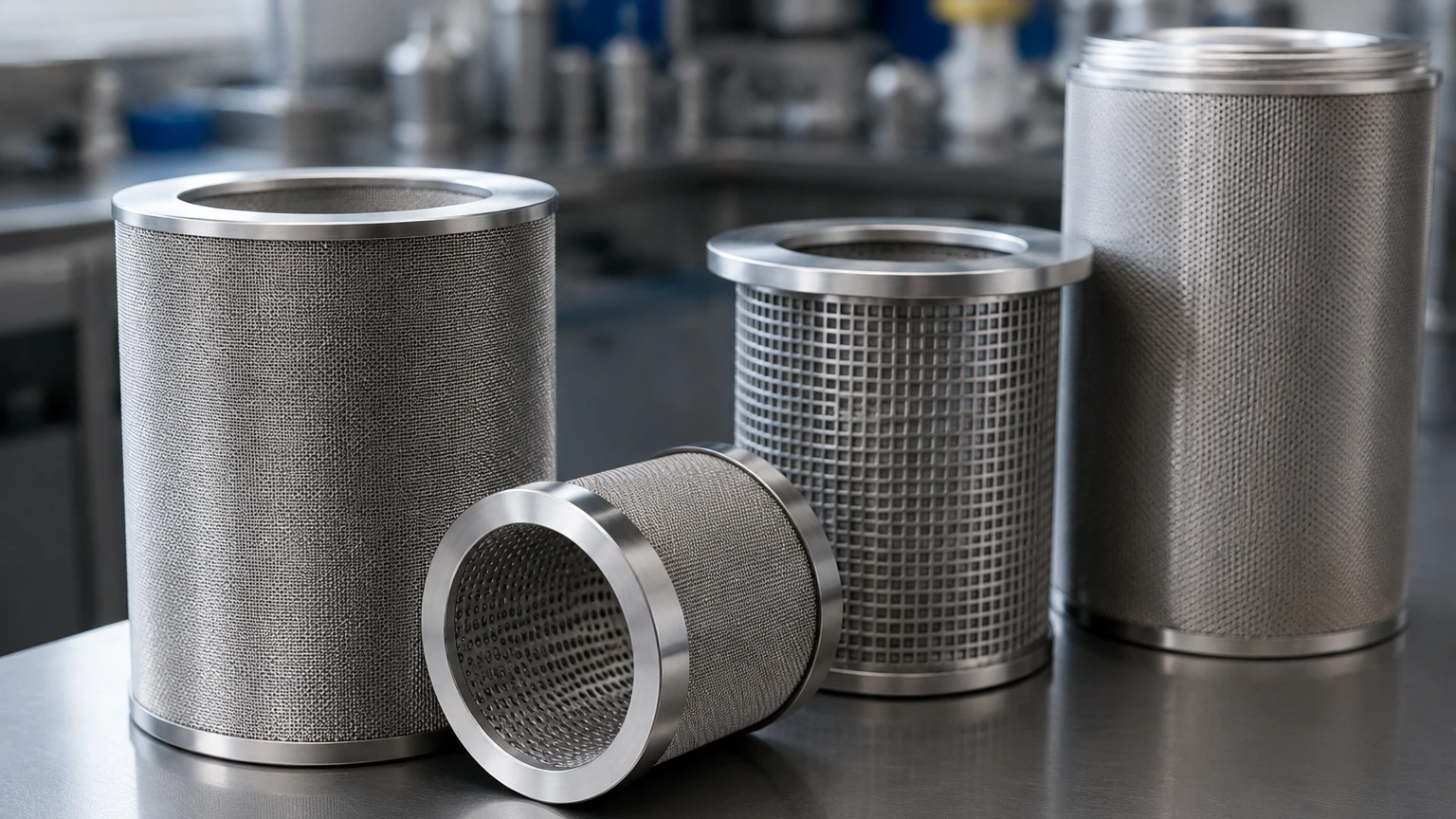
2. Stainless Steel Wire Mesh Filters: In high-temperature or high-pressure applications, standard polymer-based filters may fail. Kaifil’s stainless steel wire mesh filters offer the durability required to withstand the turbulent flow and pressure spikes common in compressor discharge lines.
3. Coalescing Filters: These are essential for removing oil aerosols. If oil is allowed to coat the interior of the tank, it can create a fire hazard and interfere with the operation of safety relief valves.
By ensuring that the air entering the tank is as clean and dry as possible, the operational lifespan of the pressure vessel is greatly enhanced, and the frequency of required internal inspections can be managed more effectively.
Mechanical Vibration and Structural Integrity
In many industrial setups, the compressor is mounted directly on top of the tank (tank-mounted units). In these configurations, the tank of the air compressor is subjected to constant mechanical vibration from the motor and pump assembly.
Continuous vibration can lead to stress cracking at the weld points, particularly around the mounting brackets and the inlet/outlet ports. To counter this, engineers often utilize flexible connectors and vibration isolation pads. Furthermore, the internal filtration components must be securely fitted and manufactured from materials—like reinforced stainless steel—that will not vibrate loose or suffer from work-hardening and subsequent cracking due to the mechanical resonance of the system.
Selection Criteria for Industrial Filtration Components
When designing or maintaining a compressed air system, selecting the right filtration components is a matter of balancing performance with total cost of ownership. Given what the tank of the air compressor is subjected to, the following criteria should guide the selection process:
* Material Compatibility: Stainless steel (304 or 316L) is the gold standard for filtration in environments where corrosion is a risk or where high purity is required, such as in food and beverage or pharmaceutical applications.
* Filtration Accuracy (Micron Rating): The filter must be fine enough to protect downstream components but not so restrictive that it causes an excessive pressure drop, which increases energy costs.
* Durability and Cleanability: Unlike disposable plastic filters, stainless steel cartridges can often be cleaned and reused, providing a more sustainable and cost-effective solution for heavy-duty industrial use.
* Customization: Every industrial environment is unique. Working with a manufacturer like Kaifil allows for the development of custom-sized filters and specialized mesh weaves tailored to specific flow rates and contaminant profiles.
Maintenance Protocols for Pressurized Tanks
Because the tank of the air compressor is subjected to such a wide range of stresses, a rigorous maintenance schedule is mandatory. This includes:
* Daily Draining: Manually or automatically draining the condensate from the bottom of the tank to prevent liquid buildup and corrosion.
* Safety Valve Testing: Regularly checking that the pressure relief valve is functional and has not been compromised by debris or rust.
* Internal Inspection: Periodic ultrasonic testing or visual inspection through the tank’s access ports to check for thinning of the walls or signs of internal pitting.
* Filter Element Replacement: Monitoring the pressure differential across filter elements. A high pressure drop indicates that the filter is loaded with contaminants and needs cleaning or replacement to maintain system efficiency.
Conclusion
The air receiver tank is a foundational element of any compressed air system, yet it is often the most neglected. By understanding that the tank of the air compressor is subjected to cyclic pressure, corrosive condensate, thermal expansion, and mechanical vibration, engineers can take proactive steps to protect this asset.
Integrating high-quality stainless steel filtration and moisture separation solutions is the most effective way to mitigate these stresses. For professionals seeking reliable, custom-engineered filtration components that meet the demands of modern industry, exploring the options available at the Main Page provides a path toward optimized performance and long-term system reliability. Proper filtration does not just protect the air quality; it protects the very vessel that holds the system together.
Download The Tank of the Air Compressor Is Subjected as a PDF
