


Centrifugal Dust Extractor Fan Factory
In industrial environments where air quality and particulate management are critical for both safety and operational efficiency, the role of a centrifugal dust extractor fan factory becomes central to facility design. These factories specialize in the engineering and production of high-pressure air-moving systems designed to transport dust-laden air from a source to a filtration or collection unit. For engineers and procurement teams in sectors such as chemical processing, food and beverage, and pharmaceuticals, selecting the right equipment involves a deep understanding of aerodynamics, material science, and the integration of precision filtration components.
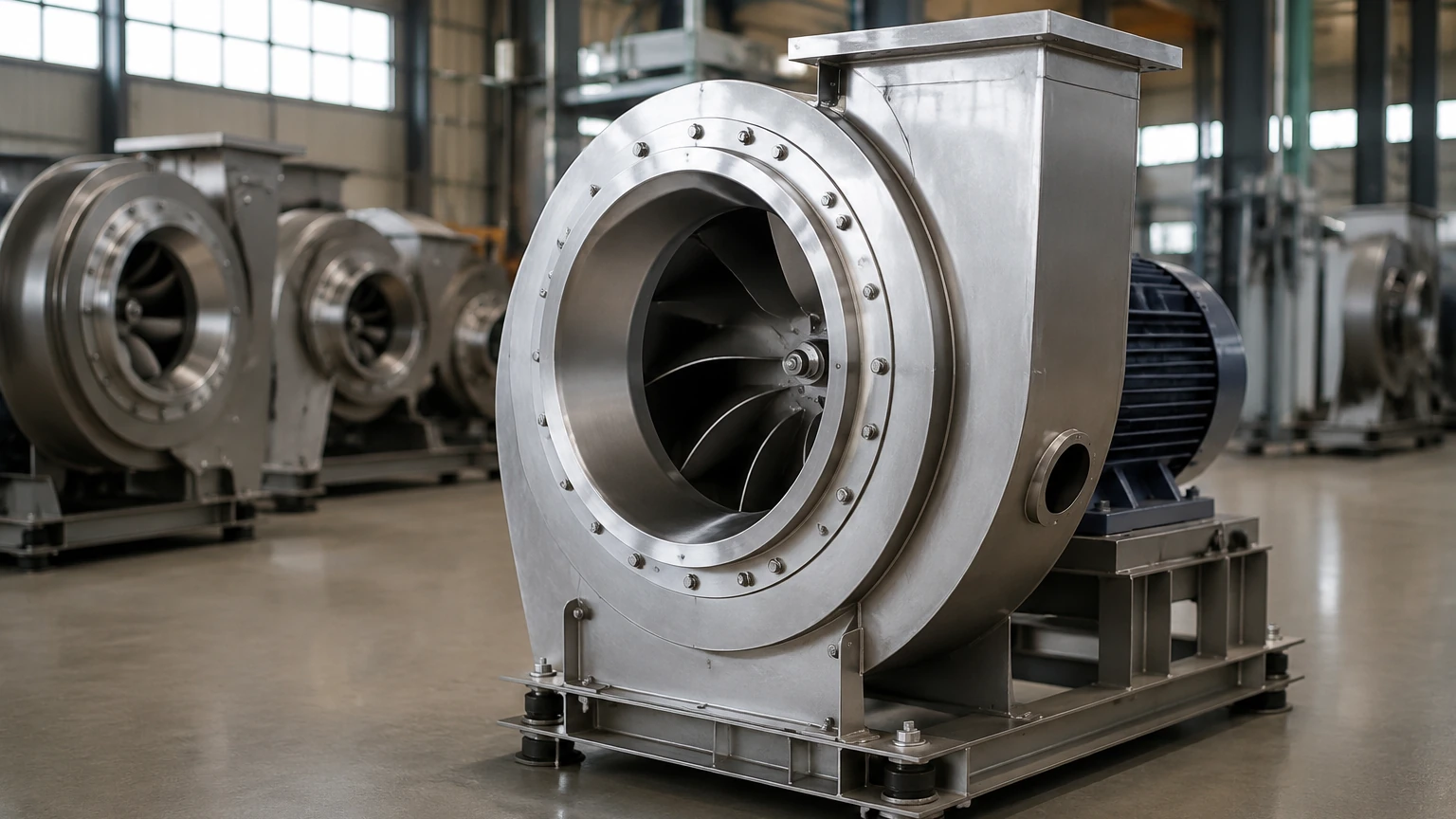
A centrifugal fan, often referred to as a blower, increases the speed and volume of an air stream using rotating impellers. In a dust extraction context, these units must handle not only air but also varying concentrations of particulates that can be abrasive, corrosive, or combustible. Consequently, the manufacturing standards at a specialized factory must account for high-duty cycles and the specific physical properties of the dust being managed.
Technical Principles of Centrifugal Dust Extraction
Centrifugal fans operate on the principle of centrifugal force to move air. Unlike axial fans, which move air parallel to the shaft, centrifugal fans move air radially, changing the direction of the airflow (typically by 90 degrees). This design is inherently better suited for high-pressure applications, which are necessary to overcome the resistance (static pressure) caused by ductwork, hoods, and filtration media.
At a centrifugal dust extractor fan factory, engineering teams focus on three primary impeller designs:
1. Radial Blades: Often used for heavy dust loading. The open design prevents material buildup on the blades, making them ideal for transporting wood chips, metal shavings, or heavy industrial dust.
2. Backward-Curved Blades: These offer high efficiency and are suitable for cleaner air streams or systems where the dust has already been partially filtered. They are known for their non-overloading power characteristics.
3. Airfoil Blades: These provide the highest efficiency but are generally reserved for clean air applications, as particulates can erode the hollow blade structure or cause imbalances.
For industrial applications requiring high durability, the choice of blade design is dictated by the particulate size and the required static pressure of the system.
Material Selection and Structural Integrity
The longevity of a dust extraction system is heavily dependent on the materials used in its construction. A reputable centrifugal dust extractor fan factory must offer a variety of alloys to meet specific environmental challenges. While carbon steel is common for general-purpose applications, many industrial processes require more robust solutions.
In the chemical and food industries, stainless steel (typically Grades 304 or 316) is the standard. Stainless steel provides essential resistance to corrosion and allows for the rigorous cleaning protocols required in hygienic environments. Furthermore, in applications involving abrasive dust, factories may apply specialized coatings or use wear-resistant liners to protect the fan housing and impeller from premature erosion.
Beyond the fan itself, the structural integrity of the entire assembly—including the motor mounts, bearings, and seals—must be engineered to withstand continuous vibration and thermal expansion. Precision balancing of the impeller is a critical step in the manufacturing process to prevent mechanical failure and reduce noise pollution within the facility.
The Role of Precision Filtration in Extraction Systems
While the centrifugal fan provides the motive force, the effectiveness of the dust extraction system relies on the filtration stage. The fan pulls dust-laden air through a series of filters that capture particulates before the air is either recirculated or exhausted into the atmosphere. This is where the synergy between the fan manufacturer and the filtration component specialist becomes vital.
High-performance systems often utilize stainless steel filter cartridges or wire mesh filters to handle high temperatures or corrosive particulates that would destroy standard fabric or paper filters. As a professional manufacturer of these components, Kaifil provides the technical expertise needed to ensure that the filtration media matches the airflow characteristics of the fan. For more information on specialized filtration components, you can visit the Main Page to review product options and application support.
Integrating high-quality stainless steel filtration solutions ensures that the pressure drop across the system remains within the fan's optimal operating range. If a filter becomes prematurely clogged or is incorrectly sized, the centrifugal fan may surge or fail to provide adequate suction at the pickup points, leading to hazardous dust accumulation in the workspace.
Engineering Considerations for System Integration
When sourcing from a centrifugal dust extractor fan factory, engineers must provide detailed system requirements to ensure the fan is correctly specified. Key parameters include:
* Volumetric Flow Rate (CFM/m³/h): The volume of air that must be moved to capture dust at the source.
* Static Pressure (inwg/Pa): The total resistance the fan must overcome, including duct friction and filter resistance.
* Dust Characteristics: Particle size distribution, density, moisture content, and whether the dust is explosive (requiring ATEX or NFPA compliant construction).
* Temperature: High-temperature gas streams require specialized bearings, heat dissipaters, and thermal-resistant materials.
Factories use these parameters to select the appropriate fan size and motor horsepower. An oversized fan leads to wasted energy and unnecessary wear, while an undersized fan results in poor dust capture and potential regulatory non-compliance.
Maintenance and Operational Longevity
Industrial dust extraction is not a "set and forget" process. The relationship with a centrifugal dust extractor fan factory should include a clear understanding of maintenance requirements. Because these fans handle particulate matter, they are subject to unique wear patterns. Regular inspection of the impeller for material buildup or erosion is necessary to maintain balance. An unbalanced impeller can lead to bearing failure, which is one of the most common causes of unplanned downtime in extraction systems.
Furthermore, the filtration components must be monitored. Stainless steel wire mesh filters and cartridges are often preferred in heavy-duty industrial settings because they can be cleaned and reused, significantly lowering the total cost of ownership compared to disposable filters. Proper cleaning intervals, dictated by the pressure differential across the filter, ensure that the centrifugal fan operates at its design efficiency.
Evaluating a Centrifugal Dust Extractor Fan Factory
Selecting a manufacturing partner requires an evaluation of their technical capabilities and quality control processes. A professional factory should provide:
* Performance Testing: Fans should be tested according to industry standards (such as AMCA) to verify airflow and pressure ratings.
* Customization Capabilities: The ability to modify housing orientations, inlet/outlet sizes, and material specifications to fit existing infrastructure.
* Documentation: Comprehensive technical manuals, material certifications, and maintenance guides.
* Technical Support: Access to engineers who understand the complexities of air-to-cloth ratios and filtration efficiency.
In many cases, the fan factory will work in tandem with filtration experts to provide a complete solution. For instance, if the application involves high-pressure hydraulic systems or aggressive chemical filtration, the integration of precision-engineered metal filter components is essential for system reliability.
Conclusion
The selection of a centrifugal dust extractor fan factory is a decision that impacts the safety, compliance, and productivity of an industrial facility. By focusing on the engineering fundamentals of fan design, material selection, and the critical role of high-quality filtration components, procurement teams can ensure they invest in a system that delivers long-term value. Whether the goal is to manage wood dust, chemical vapors, or pharmaceutical powders, the intersection of powerful air movement and precise filtration remains the cornerstone of effective industrial air management. For those seeking to optimize their filtration stages with durable, custom-engineered stainless steel solutions, consulting with industry experts like Kaifil can provide the necessary technical edge to achieve superior performance.
