


Single Pass Heat Exchanger
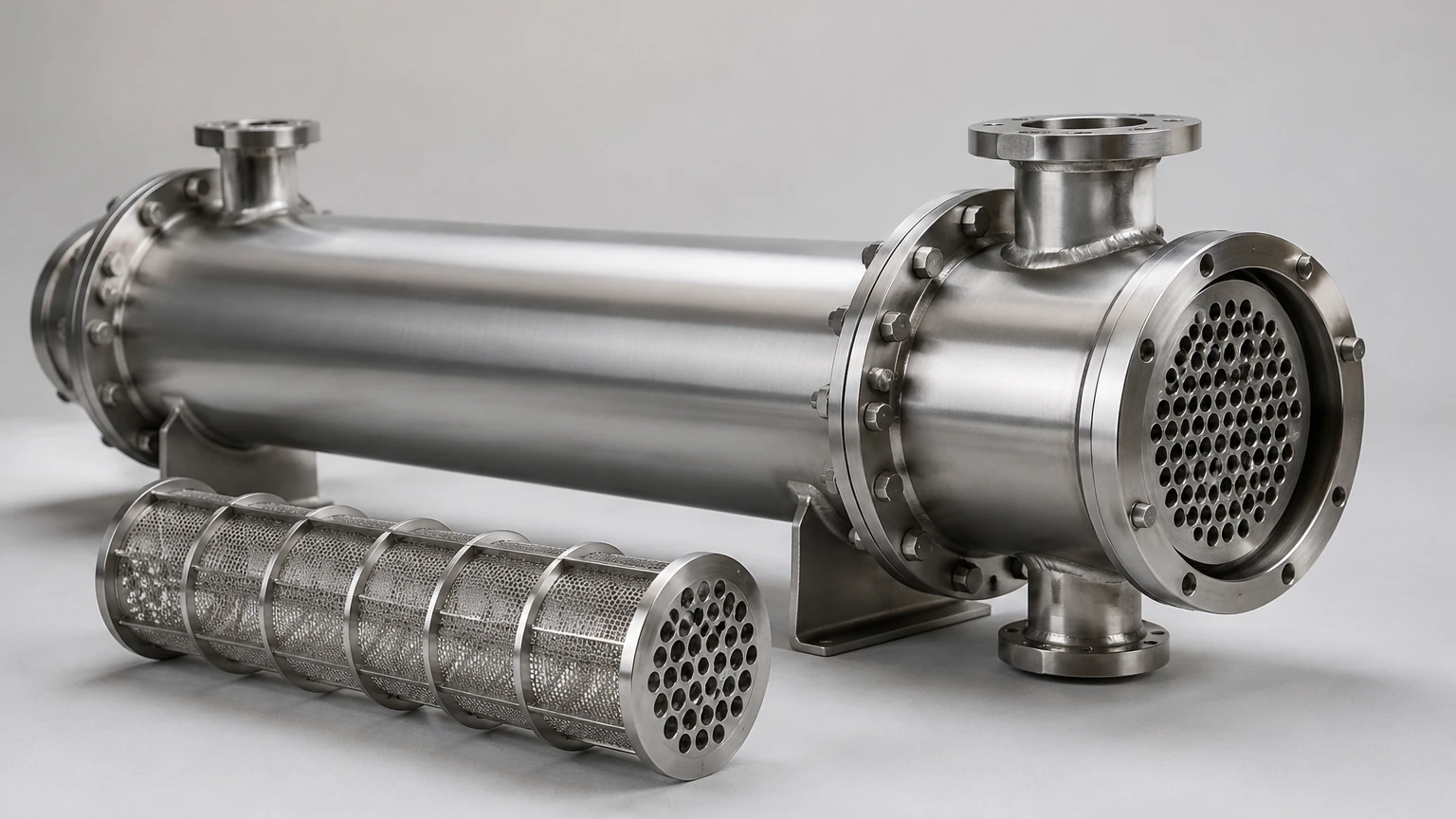
In industrial thermal management, the efficiency of heat transfer is fundamentally tied to the flow dynamics and the physical configuration of the equipment. A single pass heat exchanger represents one of the most straightforward yet critical designs in process engineering. In this configuration, each fluid moves through the equipment in a single direction, passing from the inlet to the outlet without being redirected for additional passes. While multi-pass designs are often utilized to increase the residence time and thermal contact, the single pass heat exchanger remains a staple in applications where pressure drop constraints, fluid velocity requirements, and maintenance simplicity are paramount.
For engineers and procurement teams, selecting the right heat exchanger involves a deep understanding of fluid properties, flow rates, and the potential for fouling. Because a single pass system typically involves higher flow volumes and lower residence times, the integrity of the fluid—specifically its freedom from particulate matter—is essential to maintaining the design heat transfer coefficient. This technical guide explores the engineering principles of single pass heat exchangers, the critical role of filtration in their longevity, and the selection criteria necessary for demanding industrial environments.
Engineering Principles of Single Pass Design
The fundamental characteristic of a single pass heat exchanger is its linear flow path. In a shell-and-tube configuration, the tube-side fluid enters one header, travels through the tubes once, and exits through the opposite header. Similarly, in plate heat exchangers, the fluids travel across the plate surface once before exiting.
Thermal Efficiency vs. Pressure Drop
The primary engineering trade-off in heat exchanger design is between the heat transfer rate and the allowable pressure drop. Multi-pass exchangers increase the fluid velocity and the heat transfer coefficient by forcing the fluid through smaller cross-sectional areas multiple times. However, this significantly increases the pressure drop (often proportional to the square of the velocity).
A single pass heat exchanger is frequently specified when the available pumping power is limited or when the process cannot tolerate a high pressure drop. Because the fluid travels a shorter total distance and encounters fewer directional changes (bends or headers), the friction losses are minimized. This makes the single pass design ideal for high-volume cooling or heating of low-viscosity fluids.
Temperature Profiles
In a single pass configuration, the temperature difference between the hot and cold fluids changes continuously along the length of the exchanger. Engineers typically use the Log Mean Temperature Difference (LMTD) to calculate the heat transfer rate. In pure counter-current single pass designs, the LMTD is maximized, allowing for the most efficient thermal exchange for a given surface area. If the flow is co-current (both fluids moving in the same direction), the thermal efficiency is generally lower, but this may be used to control the wall temperature of the tubes to prevent fluid degradation or scaling.
The Critical Role of Fluid Purity and Filtration
One of the most significant challenges in operating a single pass heat exchanger is fouling. Fouling refers to the accumulation of unwanted material on the heat transfer surfaces, which creates an insulating layer that reduces the overall heat transfer coefficient (U). Because single pass systems often handle large volumes of fluid, even a low concentration of particulates can lead to rapid accumulation over time.
Types of Fouling in Heat Exchangers
1. Particulate Fouling: The accumulation of suspended solids such as sand, silt, or rust particles on the heat transfer surfaces.
2. Scaling (Precipitation Fouling): The crystallization of dissolved salts, such as calcium carbonate, which occurs as the fluid temperature changes.
3. Biological Fouling: The growth of algae, bacteria, or other organisms, common in cooling water systems.
4. Corrosion Fouling: The accumulation of corrosion products on the surface, which is often exacerbated by poor material selection or aggressive fluid chemistry.
Effective filtration is the first line of defense against these issues. By implementing high-precision stainless steel filtration components, operators can ensure that the fluid entering the heat exchanger meets the required purity standards. For those seeking specific filtration components to protect thermal systems, you can Review product options and application support to find solutions tailored to industrial requirements.
Material Selection and Corrosion Resistance
The longevity of a single pass heat exchanger is heavily dependent on the materials used in its construction, particularly the tubes or plates that separate the two fluids. In many industrial processes, such as chemical processing or pharmaceutical manufacturing, the fluids may be corrosive or require high levels of hygiene.
Stainless Steel 304 and 316L
Stainless steel is the industry standard for heat exchanger components due to its excellent thermal conductivity and resistance to oxidation.
* Type 304: Suitable for general-purpose applications where moderate corrosion resistance is required.
* Type 316L: Contains molybdenum, which provides superior resistance to chlorides and pitting corrosion. This is essential for heat exchangers used in marine environments, chemical plants, and food processing where aggressive cleaning agents are used.
In addition to the heat exchanger itself, the filtration systems protecting it must also be constructed from high-grade materials. Custom wire mesh filters and stainless steel cartridges are preferred because they can withstand high temperatures and pressures while maintaining structural integrity. Unlike polymer-based filters, stainless steel components do not shed fibers and can be cleaned and reused, reducing the total cost of ownership.
Design Considerations for High-Performance Systems
When specifying a single pass heat exchanger and its associated filtration system, engineers must consider several technical parameters to ensure reliable performance.
Fluid Velocity and Reynolds Number
Fluid velocity plays a dual role in heat exchanger performance. Higher velocities increase the Reynolds number, promoting turbulent flow which significantly enhances the heat transfer coefficient. However, higher velocities also increase the risk of erosion-corrosion and vibration-induced tube failure. Conversely, if the velocity is too low, the flow may become laminar, leading to poor heat transfer and an increased rate of particulate settling (fouling).
Engineers typically aim for a "sweet spot" where the velocity is high enough to maintain turbulence and keep particles in suspension but low enough to avoid mechanical damage. A well-designed filtration system allows for more consistent flow by preventing the blockages that cause localized velocity spikes.
Filtration Accuracy (Micron Rating)
The micron rating of the pre-filtration system should be selected based on the narrowest passage in the heat exchanger. For plate heat exchangers, which have very small gaps between plates, fine filtration (often 50 microns or less) is required. For shell-and-tube exchangers with larger tube diameters, a coarser mesh may be sufficient. However, it is generally recommended to filter out any particles larger than 1/10th the size of the smallest flow passage to prevent bridging and clogging.
Maintenance and Operational Longevity
A single pass heat exchanger is often chosen for its ease of maintenance. Because the design is less complex than multi-pass units, it is easier to perform mechanical cleaning (such as tube rodding) or to implement Clean-in-Place (CIP) protocols.
Cleaning-in-Place (CIP) Strategies
In industries like food and beverage or pharmaceuticals, the ability to clean the system without disassembly is critical. Single pass designs facilitate effective CIP because the cleaning fluid can reach all surfaces with uniform velocity. To protect the integrity of the CIP process, the filtration system must also be capable of handling the cleaning chemicals and temperatures involved. Stainless steel filter cartridges are particularly well-suited for these environments, as they can be sterilized and backwashed repeatedly.
Monitoring Performance
To maximize the lifespan of the equipment, operators should monitor the pressure drop across both the heat exchanger and the filtration system. An increasing pressure drop across the heat exchanger typically indicates fouling, while an increasing drop across the filter indicates that the filter element requires cleaning or replacement. Integrating differential pressure sensors into the system provides real-time data that can be used to schedule predictive maintenance, preventing unplanned downtime.
Customization in Industrial Filtration
No two industrial processes are identical, and the requirements for a single pass heat exchanger in a hydraulic system will differ vastly from those in a chemical reactor. Customization is often necessary to meet specific flow rates, temperature ranges, and filtration accuracies.
Manufacturers like Kaifil specialize in developing custom stainless steel filtration solutions that integrate seamlessly with industrial heat exchangers. This includes:
* Custom Wire Mesh Filters: Tailored to specific micron ratings and flow capacities to protect heat exchanger inlets.
* Precision Metal Filter Components: Designed for high-pressure hydraulic or chemical loops where standard filters might fail.
* OEM Filtration Solutions: Working with heat exchanger manufacturers to provide integrated filtration components that enhance the reliability of their equipment.
By focusing on precision engineering and high-quality materials, these customized solutions ensure that the single pass heat exchanger operates at peak efficiency throughout its service life.
Conclusion: Selecting the Right Solution
The single pass heat exchanger remains a vital component in modern industry, offering a balance of thermal performance and operational simplicity. However, its success is intrinsically linked to the quality of the fluids it processes. Without adequate filtration, even the most expertly designed heat exchanger will succumb to fouling, leading to increased energy costs and premature equipment failure.
When evaluating thermal management systems, engineers should take a holistic approach that includes:
1. Assessing Thermal Requirements: Determining if the LMTD and flow rates of a single pass design meet the process needs.
2. Evaluating Fluid Characteristics: Identifying potential fouling agents and selecting appropriate materials like 316L stainless steel.
3. Implementing Robust Filtration: Choosing high-performance stainless steel filters to protect the heat transfer surfaces.
4. Planning for Maintenance: Ensuring the system design allows for easy monitoring and cleaning.
For more information on industrial filtration components and to explore how custom stainless steel solutions can improve your system's performance, visit the Main Page for comprehensive technical resources and product support.
