


Polyether Polyurethane
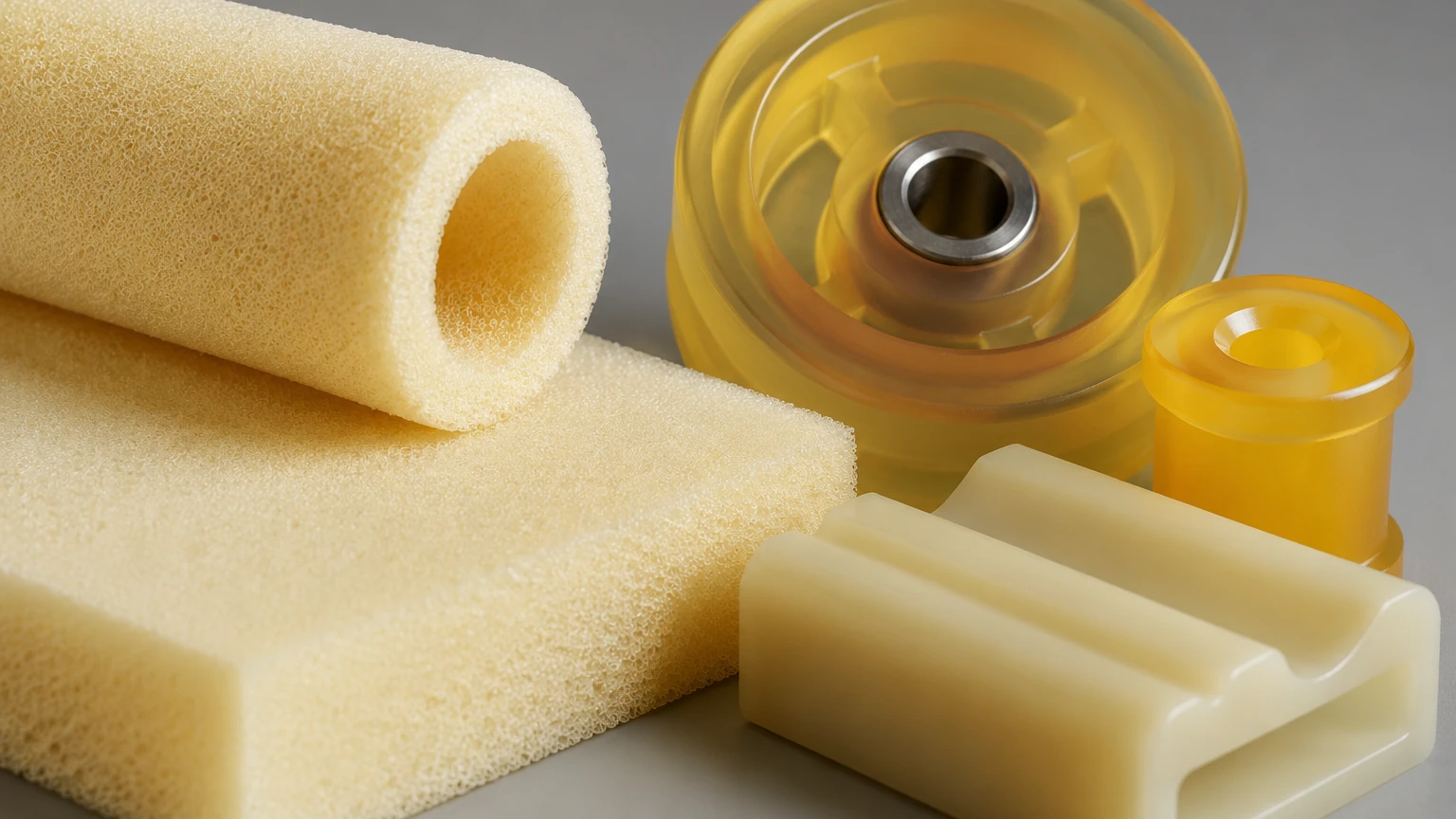
In the field of industrial engineering and high-performance manufacturing, material selection for sealing, potting, and structural components is a critical factor in the longevity and reliability of filtration systems. Polyether polyurethane (PE-PUR) stands out as a specialized elastomer widely utilized in environments where moisture, microbial exposure, and low temperatures are prevalent. For engineers and procurement specialists managing complex filtration projects, understanding the technical nuances of polyether polyurethane is essential for ensuring that components—such as gaskets, seals, and filter end-cap adhesives—perform consistently under demanding conditions.
As a manufacturer specializing in custom stainless steel filtration solutions, Kaifil recognizes that the efficacy of a filter cartridge or wire mesh assembly is often dependent on the integrity of its non-metallic components. Polyether polyurethane provides a unique set of chemical and mechanical properties that complement the durability of stainless steel, particularly in aqueous and chemically sensitive applications.
Technical Overview: The Chemistry of Polyether Polyurethane
Polyurethane is a polymer composed of organic units joined by carbamate (urethane) links. While all polyurethanes share a similar basic structure, they are generally categorized into two primary types based on the polyol used in their formulation: polyester and polyether.
Polyether polyurethane is synthesized using polyether polyols, typically polytetramethylene ether glycol (PTMEG) or polypropylene glycol (PPG). The ether linkage (-R-O-R-) in the polymer backbone is fundamentally different from the ester linkage found in polyester urethanes. This chemical distinction is the source of polyether polyurethane’s most significant advantage: its inherent resistance to hydrolysis. Hydrolysis is the chemical breakdown of a compound due to reaction with water. In polyester-based materials, water molecules can attack the ester bonds, leading to a loss of physical properties and eventual material failure—a process often referred to as "reversion."
Because the ether bond is significantly more stable in the presence of water, polyether polyurethane maintains its structural integrity even when submerged for extended periods or exposed to high-humidity environments. This makes it an indispensable material for the Main Page of industrial filtration design, where fluid contact is constant.
Key Performance Characteristics
When evaluating polyether polyurethane for industrial applications, engineers typically focus on several core performance metrics that distinguish it from other elastomers.
1. Hydrolytic Stability
As previously noted, the primary technical driver for selecting polyether polyurethane is its hydrolytic stability. In applications involving water treatment, subsea equipment, or any process where the filter is in contact with aqueous solutions, polyether variants are the standard. They do not swell or degrade in water to the same extent as polyester urethanes, ensuring that seals remain tight and potting compounds remain adhered to stainless steel substrates.
2. Microbial Resistance
In industries such as food and beverage or pharmaceutical processing, the risk of microbial growth is a significant concern. Polyether polyurethane is inherently resistant to attack by fungi, bacteria, and mold. Unlike polyester urethanes, which can provide a carbon source for certain microorganisms, polyether formulations do not support microbial life. This property is vital for maintaining the hygiene standards required in sterile filtration environments.
3. Low-Temperature Flexibility
Polyether-based elastomers generally exhibit superior flexibility at low temperatures compared to their polyester counterparts. They maintain their elastomeric properties and impact resistance in cold environments, making them suitable for outdoor industrial installations or cryogenic-related filtration processes where temperatures may drop significantly below freezing.
4. Dynamic Mechanical Properties
While polyester urethanes often provide higher tensile strength and better sliding abrasion resistance, polyether polyurethane excels in dynamic applications. It has a higher resilience (rebound) and lower heat build-up during repetitive flexing. This makes it an excellent choice for seals in vibrating filtration equipment or components subject to frequent pressure cycles.
Polyether vs. Polyester: A Comparative Analysis for Engineers
Choosing between polyether and polyester polyurethane requires a detailed analysis of the operating environment. The following table highlights the general performance trade-offs:
| Feature | Polyether Polyurethane | Polyester Polyurethane |
| :— | :— | :— |
| Hydrolysis Resistance | Excellent | Poor to Fair |
| Microbial Resistance | Excellent | Poor |
| Low-Temp Flexibility | Excellent | Fair |
| Oil/Solvent Resistance | Good | Excellent |
| Tensile Strength | Good | Excellent |
| Abrasion Resistance | Good (Impingement) | Excellent (Sliding) |
| Cost | Generally Higher | Generally Lower |
For engineers at Kaifil, the choice often leans toward polyether when the application involves water, acids, or bases at moderate concentrations. Conversely, if the filtration system is handling pure oils, fuels, or requires extreme mechanical toughness without water exposure, a polyester variant might be considered. However, in the majority of diversified industrial filtration scenarios, the risk of moisture-induced degradation makes polyether the safer, more reliable engineering choice.
Applications in Industrial Filtration Systems
In the context of stainless steel filtration solutions, polyether polyurethane serves several critical roles that ensure the overall system meets performance specifications.
Sealing and Gaskets
Custom wire mesh filters and cartridges require precise sealing to prevent fluid bypass. Polyether polyurethane can be molded into custom gaskets or seals that provide a high degree of compression set resistance. This ensures that even after long-term use, the seal maintains its shape and continues to prevent leaks. Its compatibility with various stainless steel grades ensures that there is no corrosive interaction between the metal and the elastomer.
Potting and Encapsulation
In the construction of pleated stainless steel filter cartridges, the ends of the filter media must be securely bonded to the end caps. This process, known as potting, often utilizes polyether polyurethane as the adhesive/encapsulant. The material must flow into the pleats of the mesh to create a leak-proof barrier. Polyether's resistance to chemicals and water ensures that the bond between the mesh and the cap remains intact throughout the filter's service life.
Vibration Dampening
Industrial filtration units often operate in proximity to pumps and heavy machinery. Polyether polyurethane components can act as isolators, absorbing high-frequency vibrations that might otherwise lead to fatigue failure in the stainless steel mesh or structural supports. Its high resilience allows it to absorb energy without significant heat generation.
Engineering Selection Criteria and Considerations
When specifying polyether polyurethane for a filtration project, several factors must be confirmed to ensure application success:
1. Operating Temperature Range: While polyether performs well in cold, its upper temperature limit is typically around 80°C to 100°C (176°F to 212°F). For high-temperature steam sterilization or hot oil filtration, alternative materials or specialized high-temp urethane grades may be required.
2. Chemical Compatibility: While resistant to many dilute acids and bases, polyether polyurethane can be affected by strong solvents, concentrated acids, and certain oxidizing agents. Engineers should consult compatibility charts specifically for the ether-based variant.
3. Hardness (Shore Scale): Polyether polyurethane can be formulated in a wide range of hardnesses, from soft Shore 10A (like a rubber band) to hard Shore 80D (like a hard hat). The hardness affects both the sealing capability and the mechanical durability of the part.
4. Regulatory Compliance: For food and beverage or pharmaceutical applications, it is essential to confirm that the specific polyether polyurethane formulation is FDA-compliant or meets USP Class VI standards.
Maintenance and Lifecycle Expectations
In industrial filtration, the total cost of ownership is heavily influenced by the replacement cycle of consumables and seals. Polyether polyurethane components are known for their durability, but they are not indefinite.
Engineers should monitor for signs of degradation, such as hardening, cracking, or loss of elasticity. In aqueous environments, polyether components typically outlast polyester components by a factor of three to five. Regular inspection during filter cleaning cycles is recommended, especially in systems involving high-pressure pulses or chemical cleaning agents (CIP – Clean-In-Place). If the filter media itself is stainless steel, it may be cleaned and reused multiple times; however, the polyurethane seals should be evaluated for replacement to ensure the continued integrity of the filtration system.
Conclusion
Polyether polyurethane is a foundational material in the production of high-performance industrial filtration components. Its unmatched resistance to hydrolysis and microbial growth, combined with excellent low-temperature flexibility, makes it the ideal partner for stainless steel filter media in demanding environments. By understanding the technical differences between polyether and other elastomers, engineers can make informed decisions that optimize the performance and lifespan of their filtration systems.
At Kaifil, we integrate these material insights into every custom filtration solution we manufacture. Whether you are designing a system for chemical processing, water treatment, or pharmaceutical manufacturing, selecting the right materials is the first step toward operational excellence. To explore our full range of custom stainless steel filters and technical capabilities, we invite you to review our product options and application support on our Main Page.
