


Muffler Pneumatic
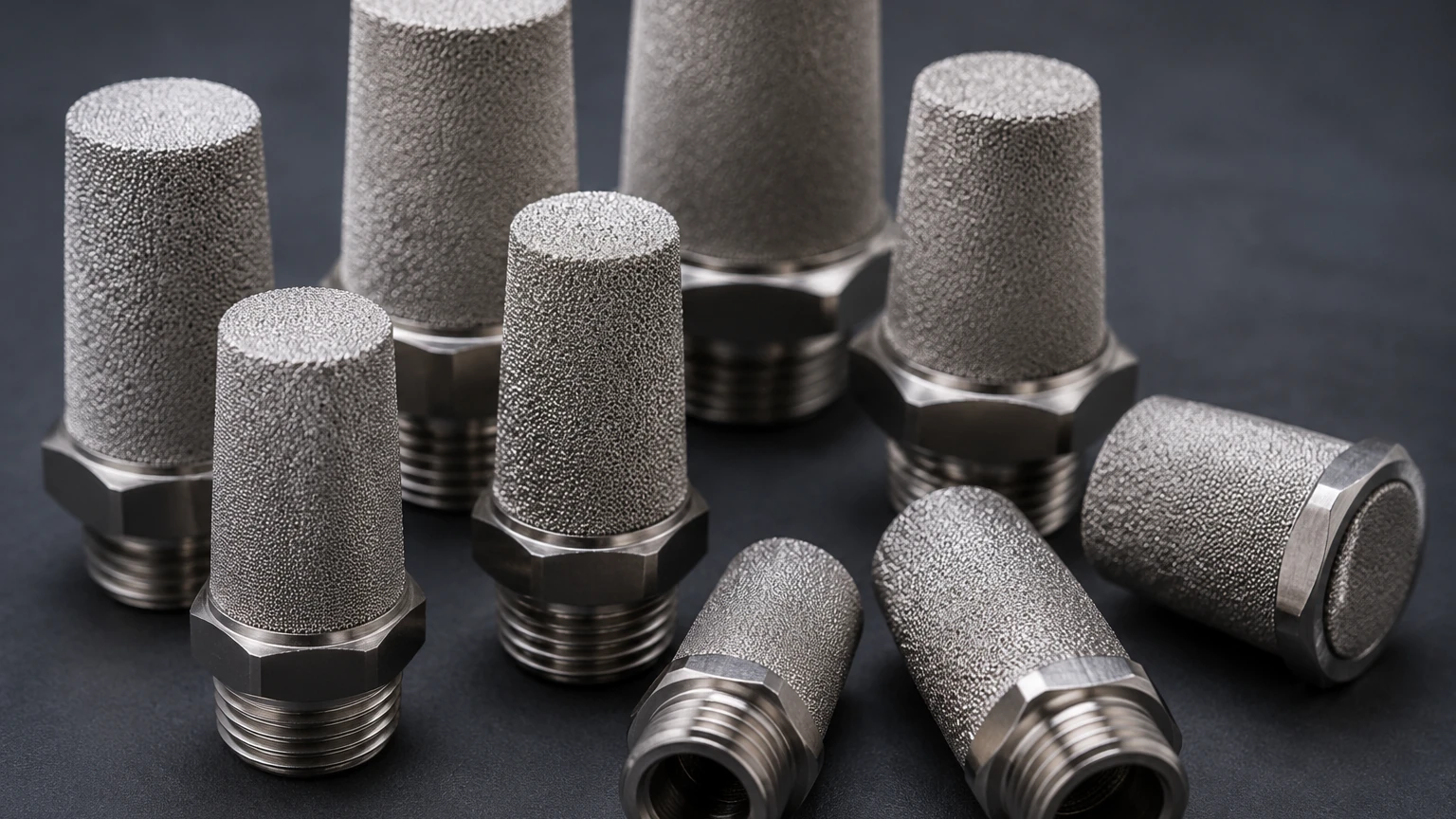
In industrial pneumatic systems, the management of exhaust air is a critical factor influencing both operational safety and machine efficiency. A muffler pneumatic, also commonly referred to as a pneumatic silencer, is a component designed to reduce the noise levels generated by the rapid release of compressed air from exhaust ports. Beyond noise suppression, these components serve as essential filtration barriers, preventing contaminants from entering the pneumatic system and protecting sensitive internal valves from environmental debris. For engineers and maintenance professionals, selecting the appropriate muffler involves a technical balance between sound attenuation, back pressure management, and material compatibility.
As a specialized manufacturer of stainless steel filtration solutions, Kaifil provides the technical expertise required to integrate high-performance filtration media into pneumatic silencing applications. Understanding the engineering principles behind these components is vital for optimizing the lifespan of pneumatic actuators and ensuring compliance with workplace safety regulations.
Understanding the Function of a Muffler Pneumatic
Pneumatic systems operate by using compressed air to drive mechanical movement. When a pneumatic valve shifts, the air that was previously used to move a cylinder must be exhausted into the atmosphere. Without a muffler, this air exits at high velocity, creating a sharp, turbulent noise that can exceed 100 decibels (dB), posing a significant risk to hearing and violating occupational safety standards.
The primary role of a muffler pneumatic is to dissipate the energy of the exhausting air. This is achieved by forcing the air through a porous medium—typically sintered metal or wire mesh—which breaks the single high-velocity air stream into many smaller, lower-velocity streams. This process, known as diffusion, significantly reduces the turbulence and the resulting sound pressure levels.
Additionally, these devices act as a secondary filter. In many industrial environments, ambient dust, metal shavings, or chemical vapors can migrate back into an open exhaust port when the system is not actively venting. A high-quality stainless steel muffler ensures that the internal components of the solenoid valves remain protected from such ingress, thereby reducing the risk of premature seal failure or valve sticking.
Material Engineering: Why Stainless Steel Mesh and Sintered Metals Matter
The choice of material for a muffler pneumatic is perhaps the most significant decision an engineer makes regarding the component's durability and performance. While plastic and sintered bronze are common in light-duty applications, demanding industrial environments often require the robustness of stainless steel.
Sintered Stainless Steel
Sintered stainless steel mufflers are constructed by fusing stainless steel powder or fine fibers under high heat and pressure without melting the material. This creates a rigid, porous structure with highly controlled pore sizes. These components are favored in the chemical and pharmaceutical industries because they offer superior resistance to corrosion and can withstand high operating temperatures that would cause plastic mufflers to soften or fail.
Stainless Steel Wire Mesh
Wire mesh mufflers utilize layers of woven or knitted stainless steel wire. This design is particularly effective for high-flow applications where minimizing back pressure is more critical than maximum noise reduction. Wire mesh is also easier to clean than sintered structures, making it a cost-effective choice for environments with high levels of oil mist or particulate matter in the compressed air line.
For organizations looking to evaluate specific material properties for their filtration and silencing needs, exploring the technical specifications on the Main Page can provide deeper insights into how custom stainless steel configurations perform under various industrial loads.
Technical Performance Metrics: Noise Reduction vs. Back Pressure
When integrating a muffler pneumatic into a system, engineers must account for the "back pressure" the device introduces. Back pressure is the resistance to airflow caused by the muffler's porous medium. If the back pressure is too high, it can negatively impact the cycle time of pneumatic cylinders, leading to slower production rates or inconsistent mechanical timing.
The Flow Coefficient (Cv)
The Flow Coefficient (Cv) is a critical metric to consider. It represents the volume of air that can pass through the muffler at a given pressure drop. A muffler with a high Cv rating allows for faster exhaust, which is essential for high-speed automated machinery. However, there is often an inverse relationship between flow capacity and noise reduction. A denser filtration medium will provide better silencing but will also increase back pressure.
Sound Attenuation Levels
Most industrial pneumatic mufflers are rated by the amount of decibel reduction they provide, typically ranging from 15 dB to over 30 dB. Engineers should confirm that the selected muffler brings the total machine noise level below the limits set by local safety authorities (such as OSHA in the United States). In many cases, using a larger muffler than the port size requires (via an adapter) can provide superior noise reduction without increasing back pressure.
Application Environments: From Food Processing to Chemical Plants
The environmental conditions of a facility dictate the necessary specifications of a muffler pneumatic. Standard components may fail when exposed to aggressive cleaning agents or extreme temperatures.
1. Food and Beverage: In these environments, components must be resistant to frequent washdowns with caustic chemicals. Stainless steel mufflers are preferred here because they do not harbor bacteria and do not degrade when exposed to sanitation fluids.
2. Chemical Processing: Exposure to volatile organic compounds (VOCs) or acidic vapors requires materials like 316L stainless steel, which offers enhanced resistance to pitting and crevice corrosion.
3. Pharmaceutical Manufacturing: High-purity environments require mufflers that do not shed particles. Sintered stainless steel is ideal because the manufacturing process ensures the media is structurally sound and won't introduce metal fragments into the cleanroom air.
4. Heavy Industrial/Hydraulic: In systems where air may be contaminated with heavy oil or lubricants, the muffler must be capable of being cleaned and reused rather than replaced frequently.
Maintenance and Troubleshooting Clogged Pneumatic Silencers
A muffler pneumatic is a consumable component that requires regular inspection. Over time, the porous material will capture oil, moisture, and particulates from the compressed air system. As the muffler clogs, back pressure increases, which can manifest as a gradual slowing of machine movements.
Identifying a Clogged Muffler
- Increased Cycle Time: If a pneumatic cylinder takes longer to retract than it did during installation, the exhaust muffler is likely restricted.
- Visible Oil Saturation: In lubricated air systems, mufflers can become "oil-logged," which significantly reduces their ability to diffuse air.
- Audible Changes: A change in the pitch or volume of the exhaust sound can indicate that the internal structure of the muffler has been compromised or heavily fouled.
Cleaning vs. Replacement
Stainless steel mufflers offer the advantage of being cleanable. They can often be restored using ultrasonic cleaning or solvent baths to remove oil and debris. In contrast, plastic or sintered bronze mufflers are typically discarded once they become clogged. For high-volume production lines, establishing a preventative maintenance schedule for muffler replacement or cleaning is essential to avoid unplanned downtime.
Selection Criteria for Industrial Procurement
To ensure the long-term reliability of a pneumatic system, purchasing teams and engineers should confirm several factors before finalizing a muffler pneumatic specification:
* Thread Type and Size: Ensure compatibility with valve ports (NPT, BSPP, or BSPT). Using the wrong thread type can lead to leaks or damage to the valve body.
* Operating Pressure: Confirm the muffler is rated for the maximum system pressure, especially in high-pressure pneumatic applications where a standard muffler might burst.
- Temperature Range: Verify that the material can handle the ambient temperature and the temperature of the compressed air, which can rise significantly during high-cycle operations.
- Micron Rating: For applications where the muffler also serves as a critical filter, the micron rating of the sintered or mesh media must be specified to ensure it captures the necessary particle sizes.
Kaifil’s manufacturing capabilities allow for the production of custom filtration components that meet these specific technical requirements. By focusing on precision engineering and durable materials, we help industrial operators maintain efficient and quiet pneumatic systems.
Conclusion
The muffler pneumatic is a small but vital component in the landscape of industrial automation. By selecting the right material, such as stainless steel, and carefully balancing noise reduction with flow requirements, engineers can protect their equipment and their workforce. Whether the application involves a simple air valve or a complex chemical processing line, the technical integrity of the exhaust silencer directly impacts the overall performance of the pneumatic circuit. For those seeking specialized designs or high-durability stainless steel filtration components, reviewing the available solutions on the Main Page is a recommended step in the procurement process.
