


Belt Press Sludge Dewatering
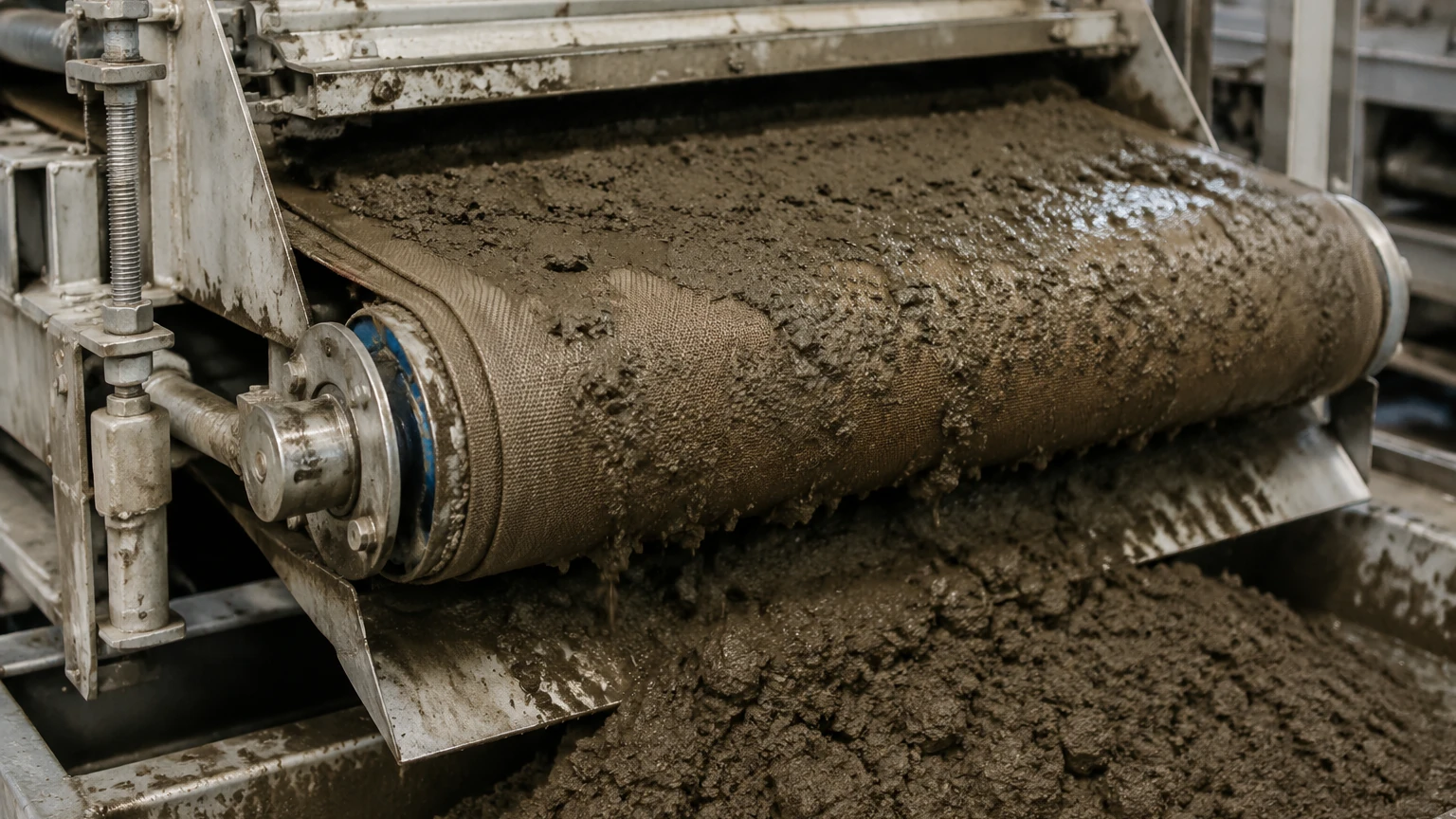
Belt press sludge dewatering is a critical mechanical separation process used extensively in municipal wastewater treatment and a wide array of industrial sectors, including chemical processing, food and beverage production, and mining. The primary objective of this process is to reduce the volume of waste sludge by removing water, thereby transforming a liquid or semi-solid slurry into a concentrated "cake" that is easier and more cost-effective to transport, incinerate, or dispose of in a landfill.
For engineers and plant managers, the efficiency of a belt press system is not merely a matter of throughput; it is a complex interaction between chemical conditioning, mechanical pressure, and the technical specifications of the filtration media. Understanding the nuances of belt press sludge dewatering is essential for optimizing operational costs and ensuring compliance with environmental regulations.
The Mechanics of the Belt Press Process
The belt press sludge dewatering process is generally divided into three distinct functional zones. Each zone plays a specific role in the gradual transition from a dilute slurry to a dewatered solid.
1. The Gravity Drainage Zone
Before entering the press, sludge is typically treated with chemical flocculants (polymers) to aggregate small particles into larger "flocs." This conditioned sludge is then fed onto a moving porous belt in the gravity drainage zone. In this stage, free water is allowed to drain through the belt's mesh by gravity alone. This initial step is vital, as it can remove up to 75% of the liquid volume, significantly increasing the solids concentration before the application of mechanical pressure.
2. The Wedge Zone (Pre-compression)
As the thickened sludge moves forward, it is sandwiched between two tensioned belts—the upper and lower belts. The "wedge" zone gradually narrows the gap between these belts, applying a gentle, increasing pressure to the sludge. This stage prepares the material for the high-pressure zone by further stabilizing the sludge structure and preventing "side-spew" or extrusion from the edges of the belts.
3. The High-Pressure Zone (S-Rolls)
The final stage involves the belts wrapping around a series of rollers in an "S" configuration. As the belts pass over these rollers, the shear and compressive forces increase. The diameter of the rollers typically decreases toward the discharge end, which serves to increase the pressure exerted on the sludge cake. By the time the cake reaches the end of the roller train, it has achieved its maximum possible dryness for the specific equipment and sludge type.
The Role of Filtration Media and Precision Components
In the context of belt press sludge dewatering, the filtration media—specifically the belts and the supporting metal components—are the most critical factors influencing performance. While many industrial applications utilize synthetic polymer belts, certain demanding environments require the durability and precision of stainless steel filtration solutions.
As a professional manufacturer of custom stainless steel filtration solutions, Kaifil provides the engineering expertise required to design components that withstand the high-tension and corrosive environments inherent in industrial dewatering. The choice of filtration media impacts several key performance indicators:
* Filtration Accuracy: The mesh size must be small enough to retain solids while remaining open enough to allow rapid water discharge. Incorrect mesh selection can lead to high solids loss in the filtrate or premature blinding of the belt.
* Mechanical Strength: Belt presses operate under significant tension. Filtration components must resist stretching and mechanical fatigue over thousands of operational hours.
* Chemical Resistance: Sludge often contains corrosive chemicals, varying pH levels, or abrasive minerals. Stainless steel (such as Grade 304 or 316L) is frequently selected for its superior resistance to these elements compared to standard carbon steel or polymers.
Engineers looking to optimize their systems can Review product options and application support on the Kaifil Main Page to understand how custom-engineered metal mesh and filter components can enhance dewatering efficiency.
Key Evaluation Criteria for Dewatering Performance
To determine the success of a belt press sludge dewatering operation, technical professionals must monitor several quantitative metrics. These criteria help in diagnosing equipment issues and justifying the ROI of high-quality filtration components.
Cake Solids Content
This is the most common metric, expressed as a percentage of total solids by weight in the final cake. Higher cake solids reduce disposal costs. Typical results range from 15% to 35%, depending on the sludge type (e.g., primary sludge vs. waste activated sludge).
Solids Capture Rate
The efficiency of the filtration media is measured by the percentage of suspended solids retained in the cake versus those lost in the filtrate. A capture rate of 95% or higher is generally targeted to prevent the recirculation of solids back to the head of the treatment plant, which can overload the system.
Throughput and Loading Rate
This refers to the volume of sludge processed per unit of time or per meter of belt width. While high throughput is desirable, exceeding the design capacity of the gravity drainage zone or the pressure limits of the belts will result in a wetter cake and potential mechanical failure.
Polymer Consumption
Chemical conditioning is often the highest variable cost in dewatering. The interaction between the polymer and the filtration mesh is crucial; if the mesh is poorly matched to the floc size, operators may over-compensate with expensive chemicals to maintain solids capture.
Engineering Considerations: Material Selection and Design
When specifying components for belt press sludge dewatering, material science plays a pivotal role. Industrial environments are rarely "one size fits all," and the following factors must be considered during the design phase:
1. Alloy Selection: For municipal wastewater, Type 304 stainless steel is often sufficient. However, in chemical processing or applications involving salt water, Type 316L is preferred due to its molybdenum content, which provides enhanced resistance to pitting and crevice corrosion.
2. Weave Patterns: The geometry of the wire mesh affects how easily the cake releases from the belt. Specialized weaves, such as plain Dutch or twilled Dutch, offer different balances of flow rate and mechanical stability.
3. Edge Reinforcement: The edges of filtration belts are subject to high wear. Custom-engineered solutions often include reinforced edges to prevent fraying and ensure proper tracking across the rollers.
4. Surface Finish: Precision metal components with specific surface roughness can improve the cleaning efficiency of high-pressure wash bars, reducing the frequency of downtime for manual cleaning.
Common Risks and Operational Challenges
Even the most robust belt press systems face operational risks that can compromise dewatering efficiency. Identifying these early is essential for maintaining a low total cost of ownership.
* Belt Blinding: This occurs when fine particles become trapped within the mesh pores, preventing water from draining. Blinding is often caused by improper chemical conditioning or inadequate wash-water pressure. Using precision-engineered stainless steel mesh with optimized aperture shapes can mitigate this risk.
* Tracking and Misalignment: If the belts do not run straight, they can rub against the machine frame, leading to rapid edge wear or catastrophic belt failure. This is often a symptom of uneven sludge distribution or worn tracking sensors and rollers.
* Hydraulic Overloading: If the influent sludge is too dilute, the gravity drainage zone may be overwhelmed, leading to "washout" where liquid sludge bypasses the pressure zones entirely.
* Mechanical Wear: The abrasive nature of certain sludges (e.g., those containing sand or grit) can erode filtration components. Selecting wear-resistant alloys and ensuring proper pre-treatment (grit removal) is vital for component longevity.
Total Cost of Ownership (TCO) in Dewatering
When purchasing filtration components for belt press sludge dewatering, engineers should look beyond the initial purchase price. The Total Cost of Ownership includes:
* Replacement Frequency: High-quality stainless steel components may have a higher upfront cost but often outlast cheaper alternatives, reducing labor costs and downtime associated with frequent replacements.
* Energy Consumption: Efficient dewatering reduces the weight of the cake, which in turn reduces the energy required for transport and the fuel needed if the cake is subsequently incinerated.
* Chemical Savings: A well-matched filtration media allows for optimized polymer dosing, which can save thousands of dollars annually in chemical costs.
Conclusion: Selecting the Right Partner
Successful belt press sludge dewatering requires a deep understanding of both the mechanical process and the materials involved. By focusing on precision-engineered filtration components, industrial operators can achieve higher solids concentration, better filtrate quality, and longer equipment lifespans.
Kaifil’s commitment to quality and durability ensures that each filtration solution is tailored to the specific demands of the application. Whether dealing with corrosive chemical slurries or high-volume municipal waste, the right engineering choices in material selection and mesh design are the foundation of efficient dewatering.
For technical specifications and to explore how custom stainless steel filtration can improve your process, visit the Kaifil Main Page. Professionals can consult with our engineering team to develop dependable filtration components that meet the rigorous standards of modern industrial environments.
