


Baghouse Asphalt Plant
In the production of Hot Mix Asphalt (HMA), the management of particulate matter and gaseous emissions is a critical engineering requirement. The baghouse asphalt plant serves as the primary air pollution control system, designed to capture fine dust particles generated during the drying and mixing processes. For industrial operators and engineers, selecting the right filtration components is not merely a matter of compliance; it is essential for maintaining operational efficiency, protecting downstream equipment, and ensuring the longevity of the plant.
Asphalt production involves heating aggregates and mixing them with liquid bitumen. This process releases significant amounts of dust, ranging from coarse aggregate particles to sub-micron fines. A high-performance baghouse system utilizes a series of filter elements to separate these solids from the exhaust gas stream before it is released into the atmosphere. Understanding the technical nuances of these systems—from material selection to pulse-jet cleaning mechanisms—is vital for optimizing the total cost of ownership.
The Role of Filtration in Asphalt Production
The baghouse is often referred to as the "lungs" of an asphalt plant. Its primary function is to remove dust from the exhaust gases of the rotary dryer. In a typical setup, the dryer removes moisture from the aggregate and heats it to the required temperature. The resulting exhaust gas carries a high concentration of dust, which must be recovered to maintain the correct mix proportions and to meet environmental regulations.
Effective filtration in a baghouse asphalt plant provides several key benefits:
1. Product Recovery: Much of the dust collected in the baghouse is returned to the mixing drum as "mineral filler." This reduces waste and ensures the final asphalt mix meets specific structural requirements.
2. Environmental Compliance: Modern environmental standards require extremely low emission levels. High-efficiency filtration ensures that the plant operates within legal limits for particulate matter (PM).
3. Equipment Protection: By removing abrasive dust, the baghouse protects the exhaust fan and other downstream components from premature wear and erosion.
Technical Components of an Asphalt Plant Baghouse
A functional baghouse consists of several integrated components, each of which must be engineered to withstand the harsh conditions of asphalt production. These include the housing, the filter elements, the cleaning system, and the dust discharge mechanism.
Filter Elements and Media
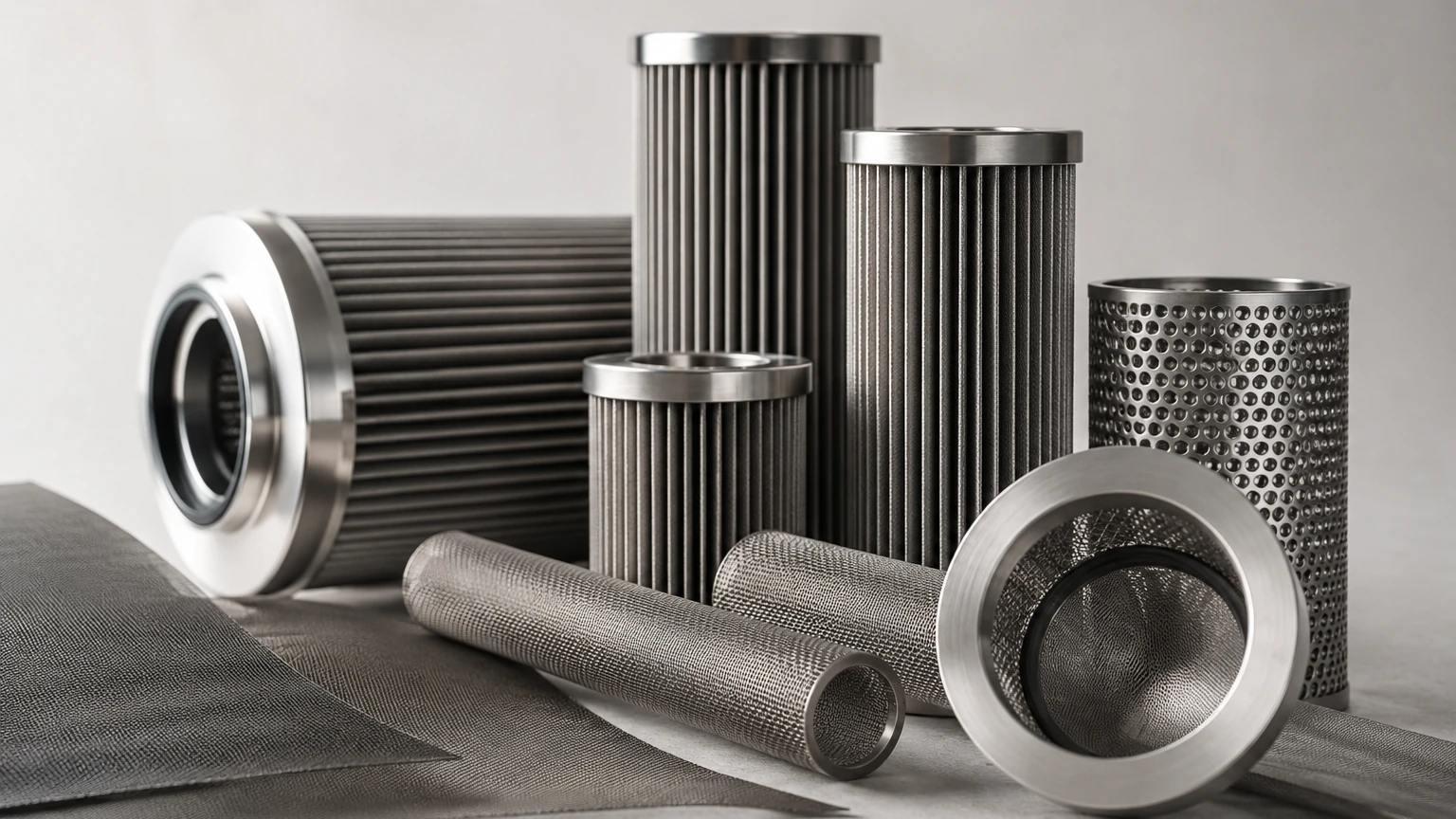
While many traditional systems use fabric bags, industrial applications increasingly require specialized media to handle high temperatures and abrasive particles. In specific zones where durability and chemical resistance are paramount, stainless steel wire mesh or precision metal filter components may be integrated. These components, often sourced from specialized manufacturers like Kaifil, offer superior mechanical strength compared to standard synthetic fibers.
The Cleaning System
Most modern asphalt plants utilize a pulse-jet cleaning system. This method involves a high-pressure burst of compressed air directed down the center of the filter element. The pulse causes the filter media to expand rapidly, dislodging the accumulated dust cake, which then falls into the hopper below. The timing and pressure of these pulses must be carefully calibrated to ensure effective cleaning without damaging the media.
The Hopper and Screw Conveyor
The collected dust settles in the hopper at the bottom of the baghouse. From there, it is typically moved by a screw conveyor back to the plant’s mixing section. Ensuring a consistent flow of dust is critical to preventing "bridging" or blockages within the hopper, which can lead to system backpressure and reduced airflow.
Engineering Considerations: Temperature and Chemical Resistance
One of the most significant challenges in a baghouse asphalt plant is managing the temperature of the exhaust gases. If the temperature is too high, it can scorch or melt the filter media. If it is too low, moisture can condense, leading to "mudding" or blinding of the filters.
Temperature Management
Exhaust gases typically exit the dryer at temperatures between 250°F and 350°F (120°C to 175°C). However, temperature spikes can occur. Engineers must select filter media capable of withstanding these fluctuations. Stainless steel filtration components are particularly valued in high-temperature industrial environments because they maintain structural integrity at temperatures far exceeding the limits of polyester or aramid fibers.
Corrosion and Chemical Attack
Asphalt production can generate acidic gases, especially if the fuel used in the dryer contains sulfur. These gases, combined with moisture, can lead to chemical corrosion of the baghouse housing and the internal support cages. Utilizing corrosion-resistant materials, such as 304 or 316L stainless steel for critical filtration components, helps mitigate the risk of failure in aggressive chemical environments.
Evaluating Filtration Efficiency and Air-to-Cloth Ratios
When designing or upgrading a baghouse, engineers must focus on the air-to-cloth (A/C) ratio. This ratio represents the volume of gas passing through each square foot of filter media per minute (expressed in CFM/ft²).
Optimizing the A/C Ratio
A low A/C ratio generally leads to better filtration efficiency and longer filter life but requires a larger, more expensive baghouse. Conversely, a high A/C ratio allows for a smaller footprint but increases the velocity of the dust particles, which can cause premature wear and higher pressure drops. For a baghouse asphalt plant, an A/C ratio between 4:1 and 6:1 is common, depending on the specific dust characteristics and cleaning method.
Micron Ratings and Capture Efficiency
The goal is to achieve high capture efficiency for fine particles (often 0.5 microns or smaller). Precision-engineered metal mesh can provide controlled pore sizes, ensuring consistent filtration performance. When reviewing product options and application support on the Main Page of a technical supplier, engineers should verify the micron rating and permeability to ensure the component matches the plant's airflow requirements.
Maintenance and Troubleshooting for Long-Term Performance
Regular maintenance is essential to prevent unplanned downtime in an asphalt plant. Monitoring the differential pressure across the baghouse is the most effective way to gauge the health of the filtration system.
* High Differential Pressure: This usually indicates that the filters are blinded or that the cleaning system is not functioning correctly. It can lead to reduced dryer capacity and increased fuel consumption.
* Low Differential Pressure: This may indicate a leak or a hole in the filter media, allowing dust to bypass the system and exit through the stack.
Inspection Protocols
Operators should conduct regular visual inspections of the clean-air plenum to check for dust streaks, which indicate leaking filters. Additionally, checking the compressed air supply for the pulse-jet system is vital; moisture or oil in the compressed air can contaminate the filter media and lead to premature failure.
Custom Stainless Steel Solutions for Industrial Filtration
While standard baghouse systems rely on fabric media, many industrial processes associated with asphalt and chemical processing require more robust solutions. Custom stainless steel filter cartridges and wire mesh filters provide a level of durability that synthetic materials cannot match.
Kaifil specializes in manufacturing these high-performance components. By focusing on precision metal filtration, they provide OEM solutions that address specific engineering challenges such as high-pressure differentials, extreme temperatures, and corrosive gas streams. For engineers looking to optimize their filtration systems, consulting with a manufacturer that understands the mechanical properties of stainless steel is a strategic advantage.
Customization options often include:
* Variable Mesh Weaves: Tailored to specific particle size distributions.
* Reinforced Structures: To withstand high-pressure pulse cleaning.
* Custom Dimensions: Ensuring a perfect fit within existing baghouse housings or specialized filtration units.
Conclusion: Selecting the Right Partner for Filtration
Operating a baghouse asphalt plant requires a balance of mechanical reliability and filtration precision. As environmental regulations tighten and the cost of raw materials rises, the importance of efficient dust collection only grows. Engineers must prioritize materials that offer long-term durability and consistent performance under pressure.
Whether you are designing a new system or seeking to improve the efficiency of an existing plant, understanding the technical requirements of your filtration media is the first step. For those requiring specialized metal filtration components, exploring the capabilities of a professional manufacturer like Kaifil can provide the technical edge needed for demanding industrial applications. For more detailed technical specifications and to explore customized filtration designs, engineers are encouraged to visit the Main Page to review available solutions and engineering support.
