


Pulse Jet Fabric Filter Bags
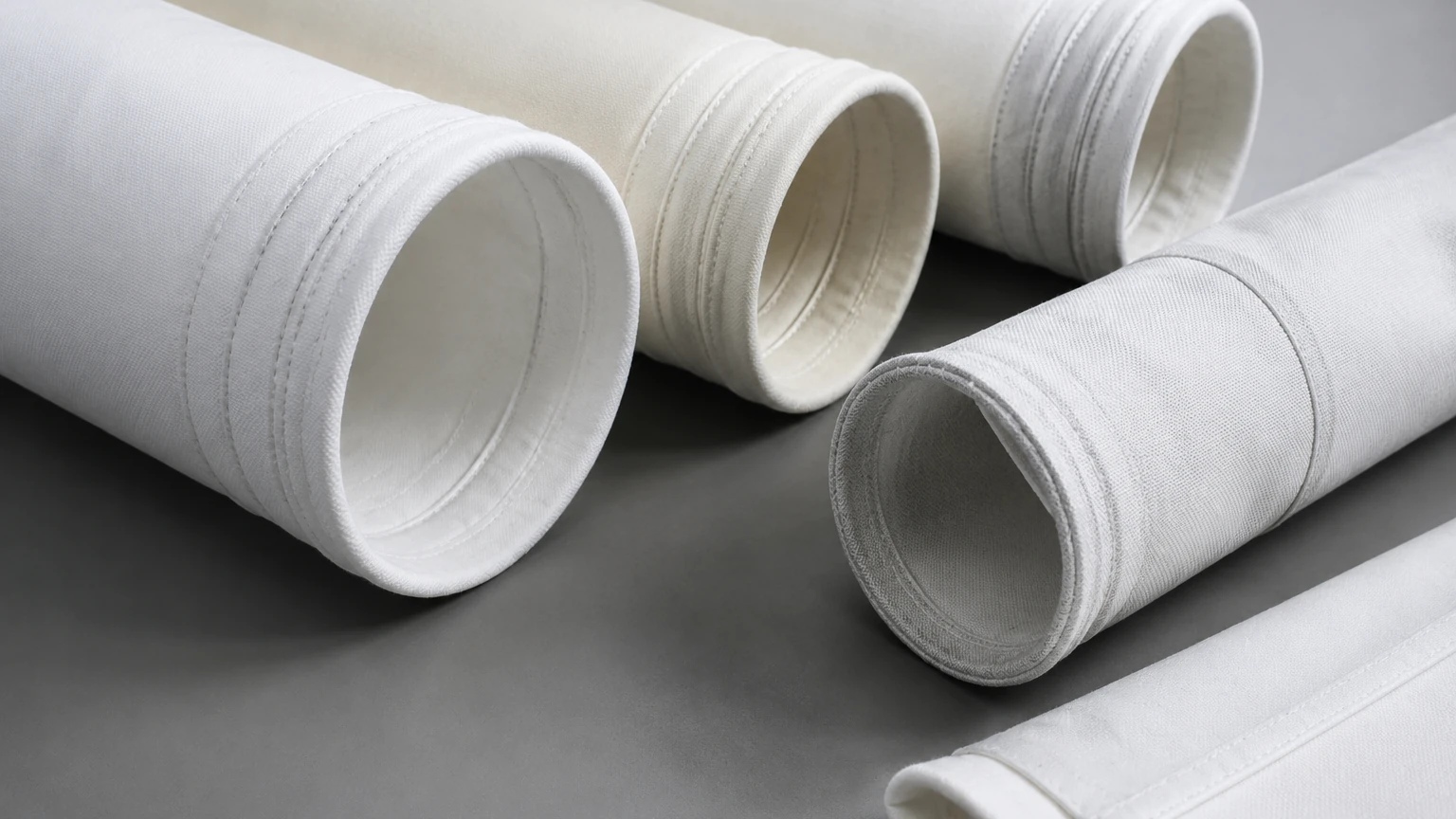
In industrial air pollution control, pulse jet fabric filter bags represent the primary filtration element within a baghouse system. These components are engineered to capture particulate matter from industrial gas streams, ensuring compliance with environmental regulations and protecting downstream equipment. Unlike shaker or reverse-air systems, pulse jet filtration allows for continuous operation and high-efficiency dust collection in a compact footprint.
Selecting the correct pulse jet fabric filter bags requires a deep understanding of the gas stream chemistry, temperature fluctuations, and the physical characteristics of the dust being processed. For technical professionals and procurement teams, evaluating these components involves balancing initial capital expenditure with long-term operational costs, including energy consumption and replacement frequency.
The Mechanics of Pulse Jet Dust Collection
The fundamental operation of a pulse jet baghouse relies on the "outside-in" filtration principle. Contaminated air enters the baghouse housing, and as it passes through the fabric media, dust particles are trapped on the exterior surface of the bags. The cleaned air then travels upward through the interior of the bag and exits through the plenum.
What distinguishes pulse jet systems is the cleaning mechanism. As the dust layer (or dust cake) builds up on the exterior of the bag, the differential pressure across the media increases. To maintain airflow, the system initiates a cleaning cycle. A burst of high-pressure compressed air (typically 60 to 100 psi) is injected into the top of the bag through a blow pipe and a venturi. This pulse creates a shockwave that travels down the length of the bag, causing it to expand rapidly and then snap back against its internal support cage. This mechanical flexing dislodges the accumulated dust cake, which falls into the hopper below.
Because the pulse lasts only a fraction of a second, the filtration process is not significantly interrupted. This allows the system to operate continuously without the need for compartmentalized cleaning, which is often required in other baghouse designs.
Fabric Media Selection: Chemical and Thermal Compatibility
The performance and lifespan of pulse jet fabric filter bags are primarily dictated by the material composition of the media. Engineers must select fibers that can withstand the specific rigors of the application. The most common materials include:
Polyester (PE)
Polyester is the most widely used material for industrial dust collection due to its excellent physical strength and abrasion resistance. It is suitable for operating temperatures up to 135°C (275°F). While it offers good resistance to most oxidizing agents and organic solvents, it is susceptible to hydrolysis in high-moisture environments at elevated temperatures.
Polypropylene (PP)
Used primarily in low-temperature applications (up to 90°C or 190°F), polypropylene offers exceptional chemical resistance to both acids and alkalis. It is often the material of choice for chemical processing and water treatment applications where moisture and corrosive agents are prevalent.
PPS (Polyphenylene Sulfide)
Commonly known by the brand name Ryton, PPS is engineered for high-temperature applications (up to 190°C or 375°F) where chemical resistance is critical. It excels in coal-fired boilers and incinerators because it can withstand high concentrations of sulfur oxides (SOx) and moisture.
Nomex (Aramid)
Nomex is a high-temperature fiber capable of operating at up to 200°C (400°F). It is highly resistant to abrasion and mechanical stress but is sensitive to high moisture and acidic conditions, which can lead to fiber degradation over time.
PTFE (Polytetrafluoroethylene)
PTFE, or Teflon, is the "gold standard" for extreme environments. It can operate at temperatures up to 260°C (500°F) and is virtually inert to all chemicals. It is often used as a membrane coating on other fabrics to enhance dust release and filtration efficiency for sub-micron particles.
The Importance of Structural Support Cages in Pulse Jet Systems
While the fabric bag performs the filtration, the internal support cage is what maintains the bag's shape and structural integrity under the pressure of the airflow and the mechanical stress of the cleaning pulse. In pulse jet systems, the cage is indispensable because the bags are under constant external pressure.
At Kaifil, we recognize that the interaction between the fabric and the metal support is a critical failure point. A poorly manufactured cage with burrs, sharp edges, or inconsistent wire spacing can lead to premature bag failure through mechanical abrasion. High-quality cages are typically constructed with 10, 12, or 20 vertical wires to provide uniform support.
Material selection for the cage is just as important as the bag itself. In corrosive environments, such as chemical processing or flue gas desulfurization, carbon steel cages may corrode, leading to rust buildup that sticks to the bag and prevents proper cleaning. For these demanding applications, stainless steel (304 or 316L) or specialized epoxy coatings are required. As a manufacturer of custom stainless steel filtration solutions, Kaifil provides the precision-engineered metal components necessary to ensure the longevity of the entire filter assembly. For more information on our engineering capabilities, visit our Main Page.
Engineering Parameters: Air-to-Cloth Ratio and Interstitial Velocity
When designing or upgrading a baghouse system, engineers must calculate the Air-to-Cloth (A/C) ratio, also known as the filtration velocity. This is the ratio of the volume of air passing through the filter (in cubic feet per minute) to the total surface area of the filter media (in square feet).
A/C Ratio = Airflow (CFM) / Total Filter Area (sq. ft.)
For pulse jet systems, typical A/C ratios range from 3:1 to 6:1, depending on the dust type and concentration. A ratio that is too high will lead to:
1. High Pressure Drop: Increased energy consumption for the fan.
2. Bag Blinding: Dust particles become embedded deep within the fabric, making them impossible to remove during the cleaning pulse.
3. Reduced Bag Life: Accelerated wear due to high-velocity particle impact.
Another critical factor is the interstitial velocity, which is the speed of the air moving between the bags. If this velocity is too high, the dust dislodged during the cleaning pulse will be re-entrained onto adjacent bags rather than falling into the hopper. Proper bag spacing and cage design are essential to managing these fluid dynamics.
Maintenance Strategies and Extending Bag Service Life
The total cost of ownership for pulse jet fabric filter bags is heavily influenced by maintenance practices. A proactive approach can extend bag life from the typical 1-3 years to 5 years or more in some applications.
Differential Pressure Monitoring
The most effective way to track bag health is by monitoring the differential pressure (DP) across the baghouse. A steady increase in DP over time, even after cleaning cycles, indicates "seasoning" or eventual blinding of the bags. Sudden drops in DP may indicate a torn bag or a failure in the compressed air system.
Compressed Air Quality
The cleaning pulse requires clean, dry air. Moisture or oil in the compressed air line can lead to the formation of a "mud" on the fabric, which hardens and prevents effective cleaning. Installing high-quality dryers and filters in the compressed air supply is a prerequisite for system reliability.
Fluorescent Leak Detection
When emissions exceed regulated limits, identifying the specific leaking bag among hundreds can be difficult. Engineers use fluorescent leak detection powders, which are injected into the dirty air stream. These powders pass through any holes in the bags and accumulate on the clean side, where they can be easily identified using a UV light during a shutdown inspection.
Customization and OEM Considerations for Baghouse Systems
No two industrial processes are identical, and off-the-shelf filtration components often fall short in specialized environments. Customization is often necessary in the following areas:
* Top and Bottom Configurations: Depending on the baghouse design, bags may require snap-band tops, flange tops, or corded bottoms to ensure a leak-proof seal.
* Surface Treatments: Beyond the base fiber, treatments like singeing (removing protruding fibers), glazing (melting surface fibers for better dust release), or oleophobic/hydrophobic coatings can significantly improve performance in sticky or oily applications.
* Precision Metal Components: The venturi and the cage must be perfectly matched to the bag's dimensions. Kaifil specializes in OEM manufacturing for these precision components, ensuring that the interface between the metal and the fabric is seamless. This prevents bypass and reduces the mechanical stress that causes premature wear.
When evaluating a supplier, engineers should confirm the manufacturer's ability to provide detailed material certifications and technical support regarding chemical compatibility. For complex projects involving custom filtration requirements, reviewing the technical resources available on the Main Page can help in selecting the right material and structural configurations.
Conclusion: Selecting the Right Solution
Pulse jet fabric filter bags are the heart of industrial dust collection systems. Their effectiveness is not just a result of the fabric used, but the synergy between the media, the support cage, and the operational parameters of the baghouse. By carefully considering the thermal and chemical demands of the application, maintaining a conservative air-to-cloth ratio, and ensuring high-quality structural support, industrial facilities can achieve high filtration efficiency and lower operational costs.
For purchasing teams and engineers, the next step involves a detailed audit of the current gas stream conditions and an evaluation of the existing cage hardware. Ensuring that the metal support components are free of corrosion and designed for the specific bag dimensions is the most effective way to protect the investment in high-performance fabric media.
