


Magnet Oil Filter
In industrial lubrication and hydraulic systems, the presence of metallic contaminants is a primary driver of component wear and system failure. While traditional barrier filtration methods, such as paper or synthetic cartridges, are effective at capturing non-ferrous debris, they often struggle with sub-micron ferrous particles that can bypass the filter media or cause premature clogging. A magnet oil filter serves as a critical secondary or primary defense mechanism, utilizing high-intensity magnetic fields to trap iron and steel particles before they can circulate through sensitive machinery. For engineers and maintenance professionals, understanding the technical nuances of magnetic filtration is essential for optimizing equipment uptime and extending the life of industrial fluids.
The Role of Magnetic Filtration in Industrial Lubrication
Industrial machinery, including high-pressure hydraulic systems, large-scale gearboxes, and metalworking equipment, operates under conditions that naturally generate wear debris. This debris is often composed of ferrous materials—iron and steel—resulting from the friction between gears, bearings, and cylinder walls. These particles, often referred to as "wear fines," are frequently smaller than the nominal micron rating of standard mechanical filters.
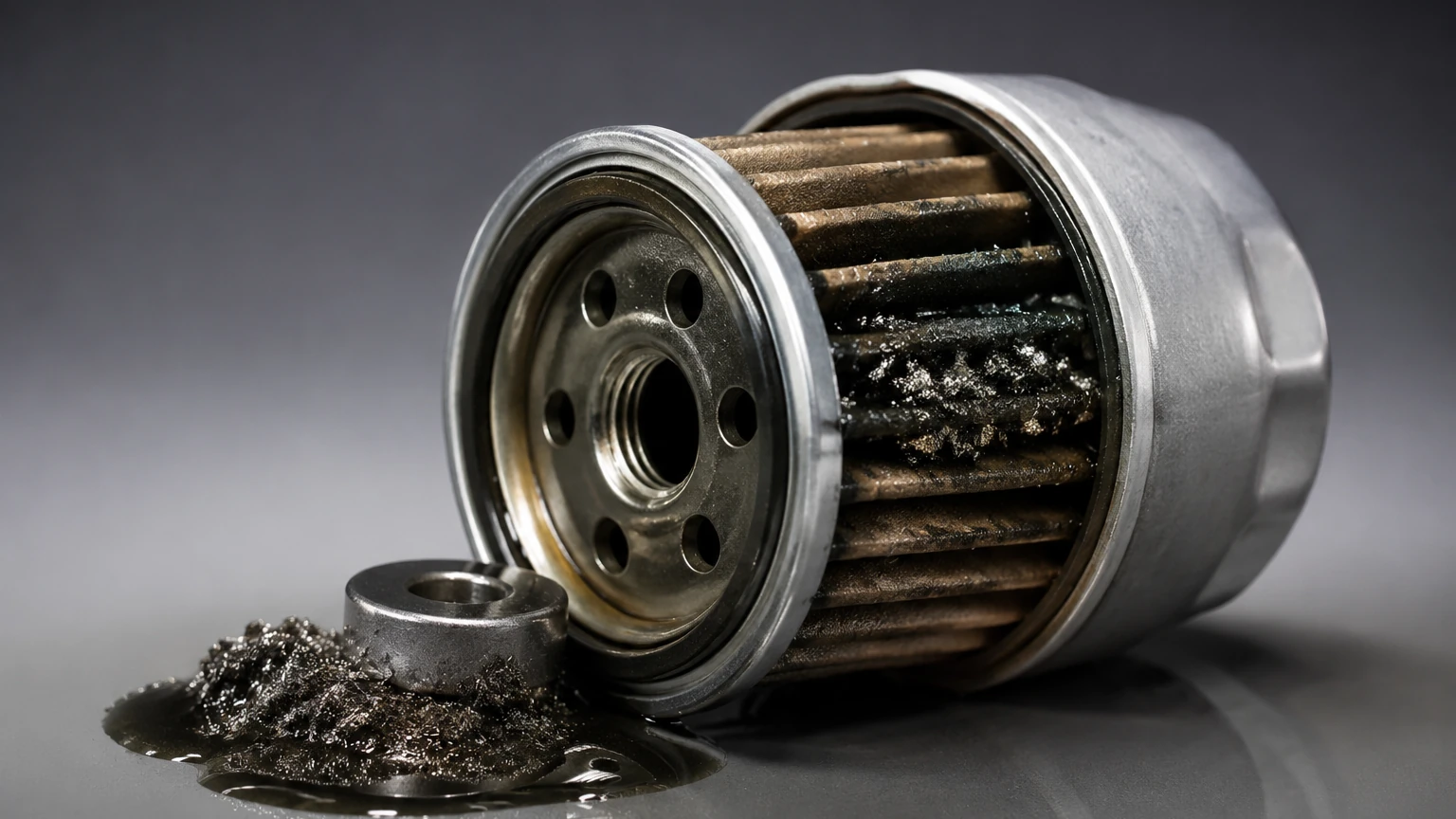
A magnet oil filter addresses this specific challenge by applying a magnetic gradient to the fluid flow. Unlike mechanical filters that rely on a physical pore size to strain particles, magnetic filters attract and hold ferrous contaminants regardless of their size. This is particularly important for particles in the 1 to 10-micron range, which are known to be the most damaging to precision components like servo valves and high-speed bearings. By removing these particles, the magnetic filter prevents the "chain reaction of wear," where one particle generates several more through abrasive contact.
For a comprehensive overview of how these components integrate into broader filtration systems, technical teams can visit the Main Page to review product options and application support.
Technical Principles of Ferrous Contaminant Capture
The efficacy of a magnet oil filter is determined by several engineering factors, including magnetic flux density, fluid velocity, and the surface area of the magnetic element. Most modern industrial magnetic filters utilize Rare Earth magnets, typically Neodymium (NdFeB), due to their exceptionally high magnetic energy product. These magnets can produce flux densities exceeding 10,000 Gauss, providing the necessary force to pull particles out of a moving oil stream.
Magnetic Flux and Gradient
It is not just the strength of the magnet (the Gauss rating) that determines performance, but the magnetic gradient—the rate at which the magnetic field strength changes over a distance. A high gradient ensures that even as oil flows at high velocities, ferrous particles are successfully diverted from the flow path toward the magnetic core. Engineering the spacing between magnetic elements and the housing wall is critical to ensuring that the fluid is exposed to the maximum possible magnetic force without creating excessive pressure drops.
Fluid Velocity and Residence Time
The velocity of the oil as it passes through the filter housing significantly impacts capture efficiency. If the flow is too turbulent or too fast, the drag forces acting on a particle may exceed the magnetic attraction force, allowing the particle to escape. Industrial magnet oil filters are designed with specific internal geometries to manage flow patterns, often slowing the fluid down in the vicinity of the magnets to maximize "residence time," thereby increasing the probability of particle capture.
Material Selection and Engineering Considerations
When specifying a magnet oil filter for industrial use, material compatibility and structural integrity are paramount. At Kaifil, we emphasize the use of high-grade materials to ensure durability in demanding environments, such as chemical processing or offshore oil and gas applications.
Stainless Steel Housings
The housing of a magnetic filter must withstand system pressures and resist corrosion. Stainless steel 304 and 316L are the industry standards for these applications. 316L, in particular, offers superior resistance to chlorides and acidic environments, making it ideal for chemical and pharmaceutical sectors. Furthermore, stainless steel is non-magnetic, which ensures that the magnetic field is concentrated on the internal filtration process rather than being dissipated by the housing itself.
Temperature Stability
Standard Neodymium magnets can lose their magnetic properties if exposed to high temperatures (typically above 80°C to 100°C). For industrial applications involving hot oil, such as in plastic injection molding or heavy-duty engine lubrication, engineers must specify magnets with higher temperature ratings, such as Samarium Cobalt (SmCo) or specialized high-temperature NdFeB grades. Ensuring the magnetic element remains stable at the system's peak operating temperature is vital for maintaining filtration efficiency.
Comparing Magnetic Filters with Conventional Filtration Media
It is important to view magnetic filtration not as a replacement for conventional mesh or cartridge filters, but as a complementary technology. Each has distinct strengths and limitations that, when combined, provide a superior filtration solution.
| Feature | Magnetic Filter | Conventional Mesh/Cartridge |
| :— | :— | :— |
| Particle Capture | Ferrous only (but includes sub-micron) | All materials (limited by pore size) |
| Pressure Drop | Negligible; flow remains open | Increases as the filter loads |
| Maintenance | Cleanable and reusable | Typically disposable |
| Capacity | High for ferrous fines | Limited by surface area/depth |
| Failure Mode | Saturation (loss of efficiency) | Clogging (bypass or collapse) |
By installing a magnet oil filter upstream of a high-precision stainless steel mesh filter, the magnetic stage removes the bulk of the ferrous wear debris. This significantly reduces the loading on the mechanical filter, extending its service life and reducing the frequency of replacement. This synergy is a core focus of the customized solutions provided on our Main Page.
Application-Specific Selection for Industrial Environments
The selection of a magnet oil filter must be tailored to the specific requirements of the application. Different industries face unique contamination profiles and operational constraints.
Hydraulic Systems
In hydraulic applications, maintaining fluid cleanliness is critical for the longevity of pumps and valves. Magnetic filters are often used in the return line or as kidney-loop systems to continuously polish the oil. Because they do not restrict flow even when "full" of contaminants, they provide a fail-safe layer of protection that prevents catastrophic failure if a mechanical filter bypasses.
Industrial Gearboxes
Gearboxes are notorious for generating large amounts of ferrous wear particles during the break-in period and throughout their service life. A magnetic plug or an inline magnet oil filter is highly effective at capturing these particles, preventing them from being ground into the gear teeth and bearings, which would otherwise accelerate wear.
Metalworking and Coolant Systems
In grinding, milling, and honing operations, the fluid is heavily contaminated with metal chips and fines. Magnetic separators and filters are essential here to keep the coolant clean, improving the surface finish of the parts and extending the life of the cutting tools.
Maintenance, Cleaning, and Operational Longevity
One of the primary advantages of a magnet oil filter is that it is typically a permanent, cleanable component. However, the maintenance procedure must be handled with care to ensure the captured contaminants are not reintroduced into the system.
Cleaning Procedures
Most industrial magnetic filters are designed for easy cleaning. This usually involves removing the magnetic core from the housing. Once the core is removed from the influence of the fluid or the outer sleeve, the captured ferrous "sludge" can be wiped away. In some advanced designs, a mechanical scraper or a "sleeve-over-magnet" configuration allows for rapid cleaning without the need for specialized tools. It is essential to establish a cleaning schedule based on the observed contamination levels to prevent the magnetic field from becoming saturated.
Monitoring Contamination
The material captured by a magnet oil filter provides valuable diagnostic information. By analyzing the quantity and type of ferrous debris collected, maintenance teams can perform "wear particle analysis." An unexpected increase in captured debris can serve as an early warning sign of a failing component, allowing for predictive maintenance before a breakdown occurs.
Custom OEM Solutions and Engineering Support
Every industrial system has unique constraints regarding space, flow rate, and connection types. Off-the-shelf solutions may not always meet the rigorous demands of specialized machinery. Kaifil specializes in the design and manufacture of custom stainless steel filtration components, including integrated magnetic solutions.
When partnering with an OEM manufacturer, engineers should confirm several technical details before proceeding:
1. Micron Rating Requirements: While the magnet handles ferrous fines, what is the required rating for non-ferrous particles?
2. Flow Dynamics: What are the minimum and maximum flow rates the filter must accommodate?
3. Pressure Rating: Does the housing meet the system’s maximum operating and burst pressure requirements?
4. Connection Types: Are NPT, BSPP, or flanged connections required for seamless integration?
5. Environmental Factors: Will the filter be exposed to corrosive chemicals or extreme temperatures?
By addressing these questions during the design phase, purchasing teams can ensure they receive a filtration solution that offers the lowest total cost of ownership through reduced maintenance and improved equipment reliability. For detailed specifications on custom manufacturing capabilities and to explore our full range of stainless steel filter cartridges and wire mesh products, please refer to our Main Page.
In conclusion, the integration of a magnet oil filter into an industrial filtration strategy is a technically sound decision for any operation dealing with ferrous contamination. By leveraging the principles of magnetic attraction alongside high-quality stainless steel construction, facilities can achieve higher levels of fluid purity, protect sensitive components, and optimize the performance of their critical assets.
