


Meltblown Filters
In the landscape of industrial liquid and gas processing, meltblown filters represent a fundamental technology for depth filtration. These components are widely utilized across industries ranging from chemical processing to food and beverage production due to their versatility and cost-effectiveness in handling high-volume particulate removal. For engineers and procurement specialists, understanding the technical nuances of meltblown media is essential for optimizing filtration efficiency and maintaining the integrity of downstream equipment.
While Kaifil specializes in high-performance stainless steel filtration solutions, we recognize that many industrial systems utilize a multi-stage approach where meltblown filters serve as critical pre-filtration elements. This guide provides a technical overview of meltblown technology, its performance characteristics, and the engineering considerations required for effective implementation within complex industrial workflows.
The Manufacturing Process and Structural Characteristics
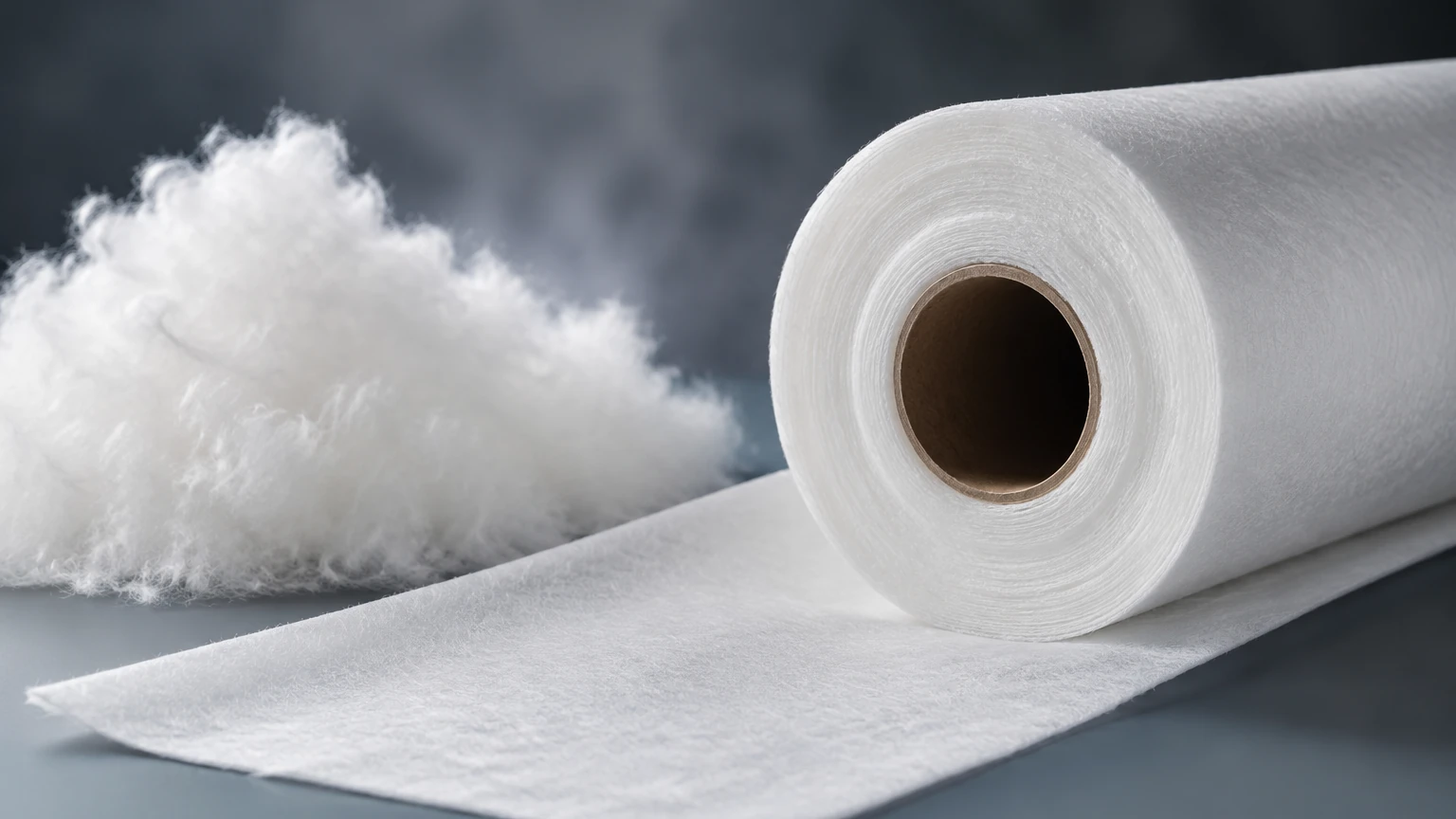
Meltblown filters are produced through a non-woven manufacturing process that transforms thermoplastic polymers—most commonly polypropylene—into a dense web of microfibers. The process involves extruding molten polymer through a die containing hundreds of small orifices. As the polymer exits the die, high-velocity hot air streams attenuate the filaments into extremely fine fibers, typically ranging from 1 to 10 micrometers in diameter.
These fibers are then collected on a rotating mandrel or a conveyor, where they thermally bond to one another without the need for chemical binders or adhesives. This creates a self-supporting, porous structure known as a "depth filter." The primary advantage of this manufacturing method is the ability to create a graded density structure. By varying the air pressure and extrusion speed during production, manufacturers can produce filter cartridges with a coarser outer layer and a progressively finer inner core.
This graded density is a critical engineering feature. It allows larger particles to be trapped in the outer layers while smaller particles are captured deeper within the media. This prevents the surface from blinding prematurely, significantly increasing the dirt-holding capacity and extending the service life of the filter compared to uniform-density media.
Material Selection and Chemical Compatibility
The vast majority of meltblown filters are manufactured from Polypropylene (PP) because of its excellent chemical resistance and hydrophobic properties. PP is resistant to a wide array of acids, bases, and many organic solvents, making it suitable for diverse industrial applications. Furthermore, PP is naturally free of surfactants, binders, and adhesives, which minimizes the risk of extractables or leachables contaminating the process fluid—a vital consideration in pharmaceutical and food-grade applications.
However, material limitations must be carefully evaluated during the selection process:
* Thermal Limits: Polypropylene meltblown filters typically have a maximum operating temperature of approximately 60°C to 80°C (140°F to 176°F). Beyond these temperatures, the structural integrity of the fibers may degrade, leading to pore bypass or media migration.
* Structural Rigidity: Under high differential pressure, soft polymer fibers can compress or deform. This deformation can lead to "unloading," where trapped particles are forced through the media and back into the filtrate. In high-pressure or high-viscosity applications, engineers often transition to reinforced metal filtration components, such as those found on the Kaifil Main Page, to ensure consistent performance.
* Solvent Sensitivity: While PP is robust, it can be susceptible to degradation by strong oxidizing agents or certain aromatic hydrocarbons. In such environments, alternative polymers like polyester or nylon may be used, though these are less common in standard meltblown configurations.
Key Performance Indicators for Industrial Applications
When evaluating meltblown filters for a specific process, engineers must look beyond simple micron ratings. The following metrics define the operational efficiency of the filter:
Micron Rating: Nominal vs. Absolute
Most meltblown filters are classified as "nominally rated." This means they are designed to retain a high percentage (typically 80% to 90%) of particles at the specified micron size. Because the pore structure in a depth filter is irregular, it is statistically possible for some particles larger than the rating to pass through. In contrast, "absolute rated" filters—often achieved through pleated membranes or precision wire mesh—provide a 99.9% or higher retention efficiency. Engineers must determine if their process requires the high-volume capacity of a nominal meltblown filter or the guaranteed precision of an absolute-rated component.
Dirt-Holding Capacity (DHC)
DHC refers to the total mass of contaminants a filter can retain before reaching its terminal differential pressure. A higher DHC translates to longer intervals between filter changes, reducing downtime and labor costs. The graded density structure mentioned previously is the primary driver of high DHC in quality meltblown media.
Pressure Drop (Delta P)
The initial pressure drop across a clean filter is a function of the media density, fiber diameter, and fluid viscosity. A low initial Delta P is desirable as it provides a larger "operating window" before the filter reaches its change-out pressure (typically 20-35 psi). Excessive initial pressure drop can indicate that the filter is undersized for the flow rate or that the media density is too high for the fluid viscosity.
Comparing Meltblown and Stainless Steel Filtration Solutions
In industrial filtration design, the choice between disposable meltblown filters and permanent stainless steel filters depends on the specific demands of the application. Both have distinct roles within a comprehensive filtration strategy.
Disposable Meltblown Filters
* Advantages: Low initial capital expenditure, ease of replacement, and excellent performance in removing deformable or gelatinous contaminants. They are ideal for applications with low-to-moderate solids loading where the cost of cleaning a permanent filter would exceed the cost of disposal.
* Disadvantages: High ongoing operational costs due to frequent replacements, environmental impact of waste, and vulnerability to high temperatures or aggressive chemicals.
Stainless Steel Filters (Kaifil Specialty)
* Advantages: Exceptional durability, high temperature resistance (up to 500°C+ depending on alloy), and high pressure tolerance. Stainless steel filters, such as wire mesh or sintered metal cartridges, are cleanable and reusable, offering a lower total cost of ownership in high-load or high-temperature environments.
* Disadvantages: Higher initial purchase price and the requirement for a cleaning infrastructure (ultrasonic baths, backwashing systems, or chemical cleaning).
In many sophisticated systems, these technologies are used in tandem. For example, a meltblown filter may act as a sacrificial pre-filter to protect a high-precision stainless steel or membrane filter downstream. This configuration balances the low cost of meltblown media with the precision and durability of metal components.
Common Industrial Applications and Integration
Meltblown filters are ubiquitous in several key sectors, serving as the first line of defense in liquid purification:
1. Water Treatment: Used extensively in Reverse Osmosis (RO) pre-filtration to remove silt, sand, and scale that could foul expensive membranes. They are also common in municipal water filtration and deionization (DI) systems.
2. Chemical Processing: Employed for the filtration of reagents, acids, and bases. Their high chemical compatibility with PP makes them a staple for removing bulk particulates from chemical feedstocks.
3. Food and Beverage: Utilized for the clarification of bottled water, juices, and soft drinks. In these applications, filters must comply with FDA or EU food contact regulations to ensure no contaminants are introduced during the process.
4. Pharmaceuticals: Used as pre-filters for sterile air or liquid streams. They help extend the life of expensive final-stage sterilizing grade membranes by removing the bulk of the particulate load.
5. Oil and Gas: Applied in the filtration of completion fluids, produced water, and amine loops where high-volume solids removal is required.
Engineering Considerations for Selection and Procurement
To ensure optimal performance, engineers should confirm several technical parameters before finalizing a meltblown filter specification:
* Flow Rate and Sizing: Filtration systems should be sized based on the maximum expected flow rate and fluid viscosity. Over-sizing a filter housing to accommodate more or larger cartridges can significantly reduce the pressure drop and extend filter life, often paying for itself in reduced maintenance.
* End-Cap Configurations: Meltblown cartridges are available with various end-cap styles (e.g., Double Open End, 222 O-ring, 226 O-ring with fin). Selecting the correct configuration is vital to ensure a bypass-free seal within the filter housing.
* Efficiency Verification: For critical processes, request a beta ratio or efficiency curve from the manufacturer. This data provides a more accurate representation of the filter’s performance than a simple nominal micron rating.
* Total Cost of Ownership (TCO): When comparing meltblown filters to permanent solutions, calculate the TCO including the cost of the cartridges, shipping, storage, labor for change-outs, and disposal fees. In high-frequency change-out scenarios, transitioning to a cleanable stainless steel solution from the Kaifil Main Page may provide significant long-term savings.
Maintenance and Replacement Protocols
The effective use of meltblown filters requires a disciplined approach to maintenance. The most common method for determining when to replace a filter is monitoring the differential pressure (ΔP). Most industrial systems are designed with pressure gauges upstream and downstream of the filter housing.
As the filter traps particles, the ΔP will gradually increase. A standard recommendation is to replace meltblown cartridges when the ΔP reaches 2.0 to 2.5 bar (30 to 35 psi). Operating beyond this point risks structural failure of the media or "breakthrough," where the pressure forces contaminants through the filter. Furthermore, in applications where biological growth is a concern (such as water treatment), filters should be changed on a regular time-based schedule (e.g., every 3 to 6 months) regardless of pressure drop to prevent biofilm accumulation.
Conclusion
Meltblown filters are an indispensable component of modern industrial filtration, providing a reliable and economical solution for depth filtration. By understanding the relationship between fiber structure, material properties, and operational parameters, engineers can select the right filtration media to protect their processes and improve product quality. Whether used as a standalone solution or as a pre-filter for advanced stainless steel components, the correct application of meltblown technology is a cornerstone of efficient industrial fluid management. For those requiring specialized or high-durability filtration components to complement their existing systems, exploring professional manufacturing options is the next logical step in optimizing process performance.
