


Kleen Flo Intake Screen
In industrial fluid management, the efficiency of an intake system is often the determining factor in the longevity of downstream equipment. A kleen flo intake screen serves as the primary defense mechanism for pumps, heat exchangers, and cooling systems by preventing the ingress of debris, aquatic life, and suspended solids. For engineering teams and procurement specialists, selecting the correct intake screen involves balancing flow requirements, environmental regulations, and material durability.
As a specialized manufacturer of stainless steel filtration solutions, Kaifil provides the technical expertise required to navigate these complex variables. By understanding the mechanical principles behind intake filtration, industrial operators can significantly reduce maintenance costs and prevent unplanned downtime. This guide examines the engineering considerations, material science, and performance metrics essential for evaluating high-performance intake screens.
The Role of Kleen Flo Intake Screens in Industrial Fluid Systems
The primary function of an intake screen is to provide a continuous, unobstructed flow of water or process fluid while excluding particles that could damage internal components. In large-scale operations such as chemical processing plants, power generation facilities, and municipal water treatment works, the intake system is the first point of contact with the external environment.
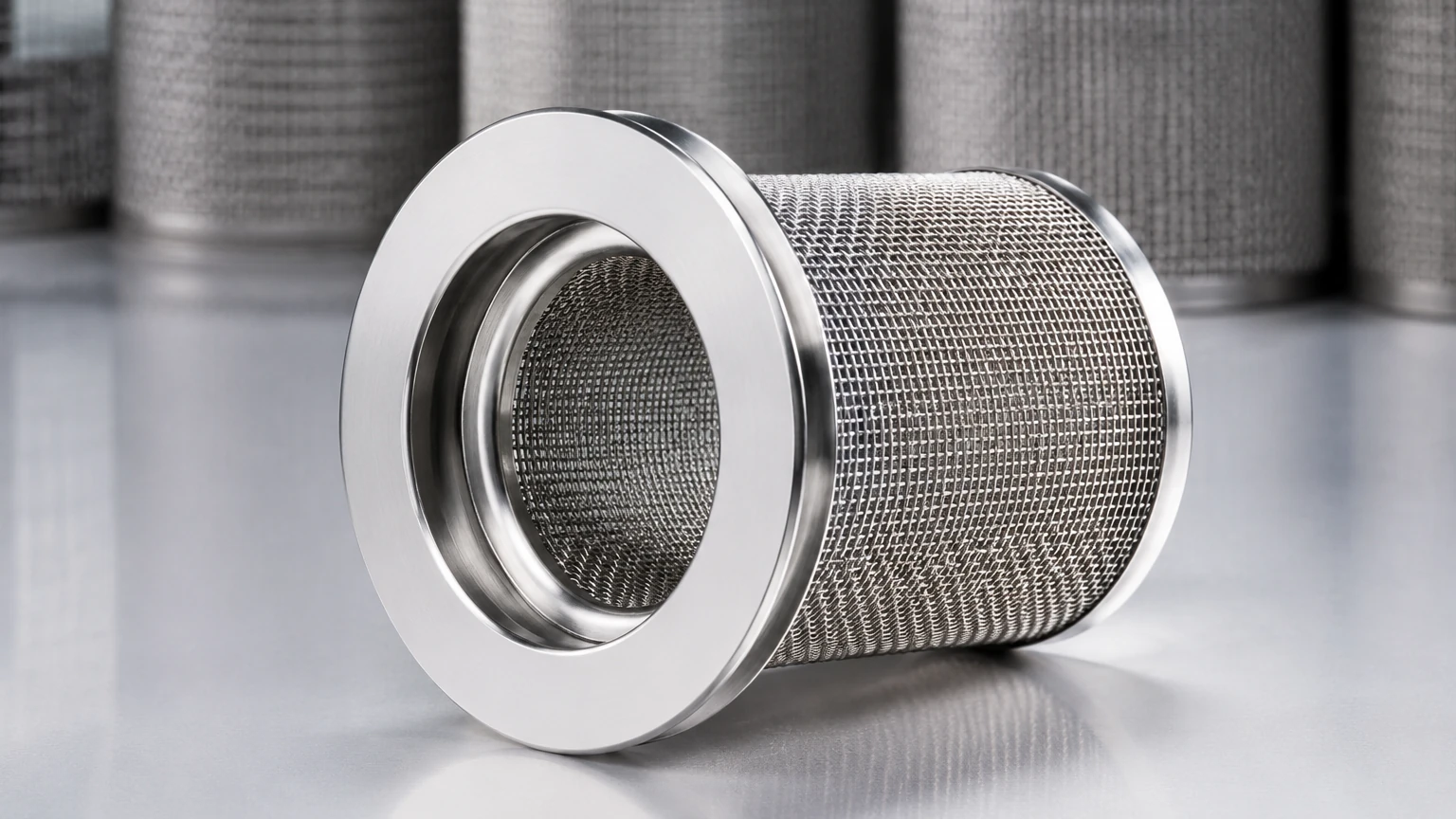
A kleen flo intake screen is designed to optimize this interface. Unlike standard perforated pipes, these screens utilize precision-engineered geometries—often employing wedge wire or high-grade wire mesh—to ensure that debris is shed effectively. The "Kleen Flo" concept emphasizes a self-cleaning or low-fouling design, which is critical in environments where manual cleaning is impractical or where the fluid source contains high levels of organic matter.
From a technical perspective, the screen must minimize "head loss" (the reduction in pressure as fluid passes through the screen). Excessive head loss can lead to pump cavitation, increased energy consumption, and reduced system throughput. Therefore, the design of the screen must maximize the effective open area while maintaining structural integrity against the forces of suction and external hydraulic pressure.
Technical Design: Passive vs. Active Intake Filtration
When specifying an intake screen, engineers must choose between passive and active filtration designs. Each has distinct advantages depending on the application environment and the available maintenance infrastructure.
Passive Intake Screens
Passive screens have no moving parts. They typically consist of a cylindrical or flat screen assembly submerged in the fluid source. These systems rely on a low "approach velocity"—the speed at which water moves toward the screen—to allow debris to float past rather than being sucked against the surface. Passive screens are highly reliable due to their mechanical simplicity and are often the preferred choice for remote locations or deep-water intakes.
Active Intake Screens
Active systems incorporate mechanical cleaning mechanisms. This may include internal brushes, rotating screen faces, or air-burst systems that periodically blast compressed air through the screen from the inside out. These are essential in high-fouling environments, such as rivers with heavy seasonal leaf load or coastal areas prone to biofouling. While active systems require more complex installation and control logic, they allow for higher flow rates in a smaller footprint compared to passive alternatives.
Material Engineering: Why Stainless Steel is the Standard
The longevity of a kleen flo intake screen is directly tied to its material composition. Industrial intakes are frequently exposed to corrosive elements, including chlorides in seawater, acidic process chemicals, and abrasive silt. Stainless steel remains the industry standard for these applications due to its mechanical strength and corrosion resistance.
1. Grade 304 Stainless Steel: Suitable for fresh-water applications where corrosion risks are moderate. It provides excellent structural support and is cost-effective for general industrial use.
2. Grade 316L Stainless Steel: The preferred choice for brackish water, chemical processing, and pharmaceutical applications. The addition of molybdenum enhances resistance to pitting and crevice corrosion, particularly in chloride-rich environments.
3. Duplex Stainless Steel: For extreme environments, such as offshore oil platforms or high-salinity desalination plants, duplex grades offer superior yield strength and exceptional resistance to stress corrosion cracking.
Kaifil’s manufacturing process focuses on high-precision welding and assembly of these materials to ensure that the screen can withstand the physical stresses of deep-water submersion and high-velocity flow. For more detailed information on material compatibility and custom fabrication, you can visit our Main Page.
Critical Performance Metrics: Flow Rate and Approach Velocity
Engineering an intake screen is not merely about sizing a pipe; it is about managing fluid dynamics. Two metrics are paramount: Total Flow Rate and Approach Velocity.
Total Flow Rate (GPM or m³/h)
The screen must be sized to handle the maximum peak demand of the system plus a safety margin. This calculation must account for the "Effective Open Area" (EOA). The EOA is the total area of the openings in the screen through which fluid can pass. If a screen has a 50% open area, the physical size of the screen must be at least double the cross-sectional area of the intake pipe to maintain flow equilibrium.
Approach Velocity
Approach velocity is the speed of the fluid measured at a specific distance (usually 3 to 6 inches) from the screen face. In many regions, environmental regulations (such as the EPA 316(b) rule in the United States) mandate a maximum approach velocity—often 0.5 feet per second (fps). This low velocity is designed to protect aquatic life, such as fish and larvae, by allowing them to swim away from the intake suction. Achieving this low velocity while maintaining high flow rates requires increasing the surface area of the screen, which is why many industrial intake screens are large, cylindrical structures.
Customization Options for Specialized Industrial Environments
No two industrial sites are identical, and off-the-shelf solutions often fail to meet specific site constraints. Customization is a core component of effective intake screen procurement.
* Wedge Wire Geometry: The V-shaped profile of wedge wire is particularly effective for kleen flo intake screens. The narrowest part of the opening is at the exterior, widening toward the interior. This means that any particle that can pass through the initial gap will continue through without getting wedged, making the screen virtually non-clogging.
* Slot Size Precision: Depending on the downstream requirements, slot sizes can range from 0.05mm to several centimeters. Precision is critical here; a slot that is too large allows damaging debris through, while a slot that is too small increases pressure drop and cleaning frequency.
* Structural Reinforcement: For screens installed at great depths or in areas with heavy current, internal support rods and reinforced end-caps are necessary to prevent collapse under hydraulic load.
Kaifil works closely with engineering teams to develop these customized filtration components, ensuring that the final product aligns with the specific hydraulic and environmental demands of the project.
Maintenance Strategies and Total Cost of Ownership (TCO)
While the initial purchase price of a kleen flo intake screen is a factor, the Total Cost of Ownership (TCO) is heavily influenced by maintenance requirements. A poorly designed screen will lead to frequent cleaning cycles, manual labor costs, and potential damage to pumps.
Biofouling Management
In marine environments, the growth of algae, barnacles, and mussels can quickly occlude screen openings. Solutions include the use of copper-nickel alloys (which have natural anti-fouling properties) or the integration of automated air-burst systems.
Inspection Cycles
Regular inspection via divers or ROVs (Remotely Operated Vehicles) is recommended to check for structural integrity and silt accumulation. A well-engineered stainless steel screen should have a service life of 15 to 25 years, provided the material grade was correctly selected for the water chemistry.
Cleaning Efficiency
If the system utilizes an active cleaning mechanism, the reliability of the control system and the durability of the brushes or air nozzles are critical. Engineering teams should prioritize designs that allow for easy retrieval of the screen for major overhauls without requiring a complete system shutdown.
Pre-Purchase Checklist for Engineering Teams
Before finalizing a specification for a kleen flo intake screen, procurement and engineering departments should confirm the following technical details with their manufacturer:
* Fluid Chemistry: What are the chloride levels, pH, and temperature? (Determines stainless steel grade).
* Debris Profile: Is the debris organic (algae, leaves) or inorganic (silt, sand, plastic)? (Determines slot size and cleaning mechanism).
* Regulatory Compliance: Are there specific approach velocity limits required by local environmental agencies?
* Installation Constraints: Is the screen being retrofitted into an existing intake structure, or is it a new installation? (Determines flange types and dimensions).
* Pressure Differential Limits: What is the maximum allowable head loss before pump performance is compromised?
By addressing these factors during the design phase, industrial operators can ensure that their intake system provides reliable, long-term protection for their critical infrastructure. Precision manufacturing, such as that provided by Kaifil, ensures that these technical requirements are translated into durable, high-performance filtration hardware.
For engineers seeking to optimize their filtration processes, understanding the nuances of screen geometry and material science is the first step toward operational excellence. Whether you are managing a hydraulic system, a chemical plant, or a water treatment facility, the right intake screen is an investment in the stability of your entire production line.
