


Socks Filter
In the landscape of industrial liquid processing, the socks filter—often referred to as a filter bag or sleeve filter—serves as a fundamental component for removing particulate matter from fluid streams. While the term is frequently associated with disposable fabric bags, the engineering requirements of modern chemical, pharmaceutical, and food processing industries have shifted the focus toward high-performance, durable alternatives. For engineers and procurement specialists, selecting a socks filter is not merely about finding a consumable; it is about optimizing flow rates, ensuring chemical compatibility, and minimizing the total cost of ownership through superior material selection.
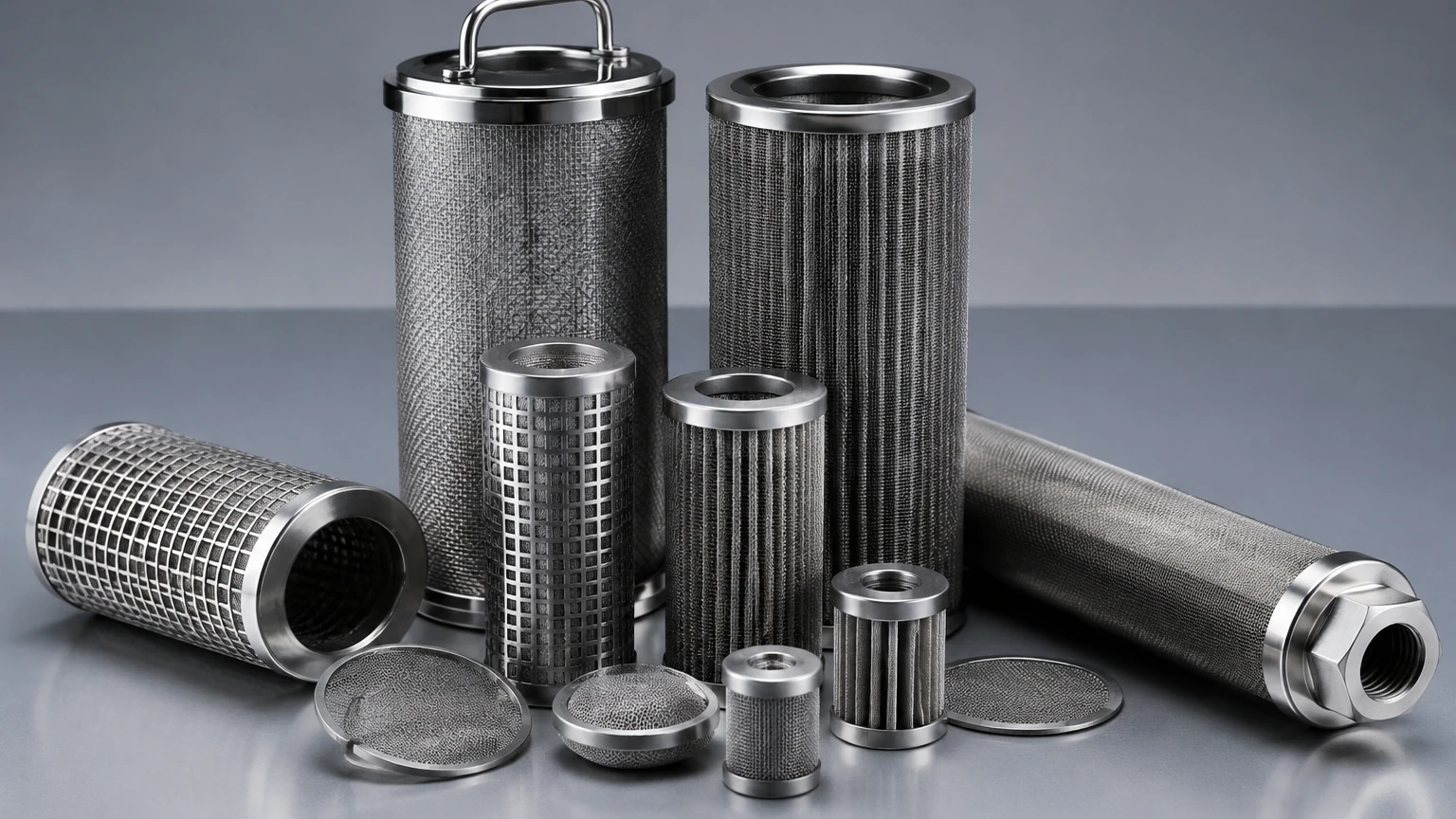
At Kaifil, we specialize in the manufacturing of precision stainless steel filtration solutions that elevate the standard of industrial socks filters. By replacing traditional felt or nylon media with advanced stainless steel wire mesh, operations can achieve higher temperature resistance, greater structural integrity, and the ability to clean and reuse filter elements. This guide explores the technical nuances of socks filtration, from material science to mechanical design, helping technical teams make informed decisions for their specific application needs.
Understanding the Mechanics of Socks Filtration
Industrial socks filters operate on the principle of pressure-driven filtration. The fluid enters the filter housing and is forced through the filter media, which captures solids while allowing the clarified liquid to pass through. Depending on the design, these filters can provide either surface filtration or depth filtration.
Surface vs. Depth Filtration
In a standard socks filter configuration, surface filtration occurs when particles larger than the pore size are trapped on the upstream side of the media. This is common in wire mesh filters where the pore size is precisely controlled by the weave pattern. Depth filtration, conversely, involves a thicker media where particles are trapped within the tortuous paths of the material. While depth filtration can hold more fine contaminants, surface-based metal mesh filters offer the advantage of easier cleaning and more predictable flow characteristics.
Flow Dynamics and Pressure Drop
One of the most critical engineering considerations is the initial pressure drop ($ΔP$). As a socks filter accumulates debris, the effective open area decreases, leading to an increase in pressure. Engineers must calculate the maximum allowable pressure drop before the filter requires cleaning or replacement. High-quality stainless steel mesh provides a high percentage of open area, which minimizes initial resistance and extends the service interval compared to denser, non-woven materials.
Material Selection: The Shift to Stainless Steel
While disposable socks filters made of polypropylene or polyester are suitable for low-temperature, non-critical applications, demanding industrial environments require the resilience of metal. Stainless steel is the gold standard for socks filters in sectors where hygiene and durability are paramount.
SS304 vs. SS316L
* Stainless Steel 304: Suitable for general industrial use, providing good corrosion resistance and mechanical strength. It is often used in water treatment and basic chemical processing.
* Stainless Steel 316L: The preferred choice for the pharmaceutical and food and beverage industries. The addition of molybdenum and a lower carbon content provides superior resistance to chlorides and organic acids, ensuring that the socks filter does not leach contaminants into the process stream.
Temperature and Chemical Compatibility
Unlike synthetic fibers that may soften or degrade at temperatures exceeding 100°C, stainless steel socks filters can withstand extreme thermal environments, often up to 400°C or higher depending on the sealing method. Furthermore, they are impervious to a wide range of solvents, caustic cleaning agents, and high-pressure steam sterilization (SIP) cycles, making them ideal for closed-loop industrial systems.
Technical Specifications and Selection Criteria
When specifying a socks filter for an OEM project or a facility upgrade, several technical parameters must be confirmed to ensure filtration efficiency and system safety.
Micron Ratings: Nominal vs. Absolute
It is vital to distinguish between nominal and absolute micron ratings. A nominal rating indicates the ability of the filter to retain a majority of particles of a certain size (e.g., 90%), whereas an absolute rating guarantees that 99.9% of particles above that size will be captured. For precision applications, such as protecting downstream spray nozzles or sensitive instrumentation, absolute-rated stainless steel mesh is the recommended standard.
Weave Types for Metal Socks Filters
The performance of a metal socks filter is largely determined by the weave of the wire mesh:
* Plain Weave: Offers a straightforward, square opening suitable for high-flow, low-pressure applications.
* Dutch Weave: Utilizes a higher density of wires in one direction, creating a more robust structure and finer filtration capabilities, often used for heavy-duty industrial separation.
* Twill Weave: Allows for thicker wires in a given micron rating, increasing the mechanical strength of the filter sleeve.
Structural Support and Baskets
A socks filter is typically housed within a perforated metal basket. The basket provides the necessary structural support to prevent the filter media from bursting under high differential pressure. When designing a custom filtration system, the fit between the filter sock and the support basket must be precise to prevent bypass—where unfiltered liquid escapes through gaps around the seal.
Applications in Demanding Industries
Socks filters are versatile components found across a spectrum of industrial sectors. Their design often varies based on the specific purity requirements of the industry.
Chemical and Petrochemical Processing
In these environments, filters must handle aggressive fluids and high pressures. Stainless steel socks filters are used to remove catalysts, scale, and carbon fines. Their ability to be ultrasonically cleaned or backwashed reduces hazardous waste generated by disposable filter bags.
Food and Beverage Production
Hygiene is the primary concern here. Filters must be compliant with food-grade standards. Stainless steel mesh filters are preferred because they do not shed fibers (a common risk with felt socks) and can be easily sanitized using caustic washes or high-temperature steam.
Hydraulic and Lubrication Systems
Protecting high-value machinery requires the removal of metallic wear particles and environmental dust. A durable socks filter ensures that hydraulic fluids remain within ISO cleanliness codes, extending the life of pumps and valves.
Evaluating Total Cost of Ownership (TCO)
For purchasing departments, the initial price of a stainless steel socks filter may be higher than that of a disposable fabric bag. However, a technical evaluation of the Total Cost of Ownership (TCO) usually favors the metal solution in permanent installations.
1. Reduced Disposal Costs: Disposable filters contribute to significant waste streams, especially if they are saturated with hazardous chemicals. Permanent metal filters eliminate this recurring cost.
2. Minimized Downtime: High-strength metal filters are less prone to catastrophic failure (bursting), which can cause downstream contamination and expensive system flushes.
3. Cleaning Efficiency: Stainless steel socks can be cleaned and returned to service multiple times. In many cases, the cost of the filter is recouped within a few months of operation through the elimination of consumable purchases.
Customization and OEM Solutions
No two industrial processes are identical, which is why customization is a core aspect of socks filter procurement. Engineers should look for manufacturers who can provide tailored solutions regarding dimensions, flange types, and filtration grades.
At Kaifil, we work closely with clients to develop bespoke filtration components. Whether you require a specific length to fit an existing housing or a reinforced mesh to handle high-viscosity fluids, our manufacturing capabilities ensure that the final product meets your exact engineering tolerances. For more information on our full range of stainless steel filtration products and to discuss your specific application requirements, please visit our Main Page.
Pre-Purchase Checklist for Engineers
Before finalizing a socks filter specification, confirm the following data points with your technical team:
* Fluid Properties: What is the viscosity, temperature, and pH of the liquid?
* Contaminant Profile: What is the nature of the solids (hard, soft, fibrous) and the expected loading concentration?
* Flow Requirements: What is the required flow rate (GPM or m³/h) and the maximum allowable pressure drop?
* Housing Compatibility: Does the filter require a specific flange, O-ring material (Viton, EPDM, Silicone), or a specialized handle for removal?
* Compliance Standards: Does the application require FDA, 3A, or other industry-specific certifications?
By addressing these factors, you ensure that the selected socks filter will provide reliable, long-term performance in the field. Choosing a partner like Kaifil provides access to technical expertise and high-quality manufacturing that supports the operational efficiency of your entire filtration system.
