


Extruder Screen Pack
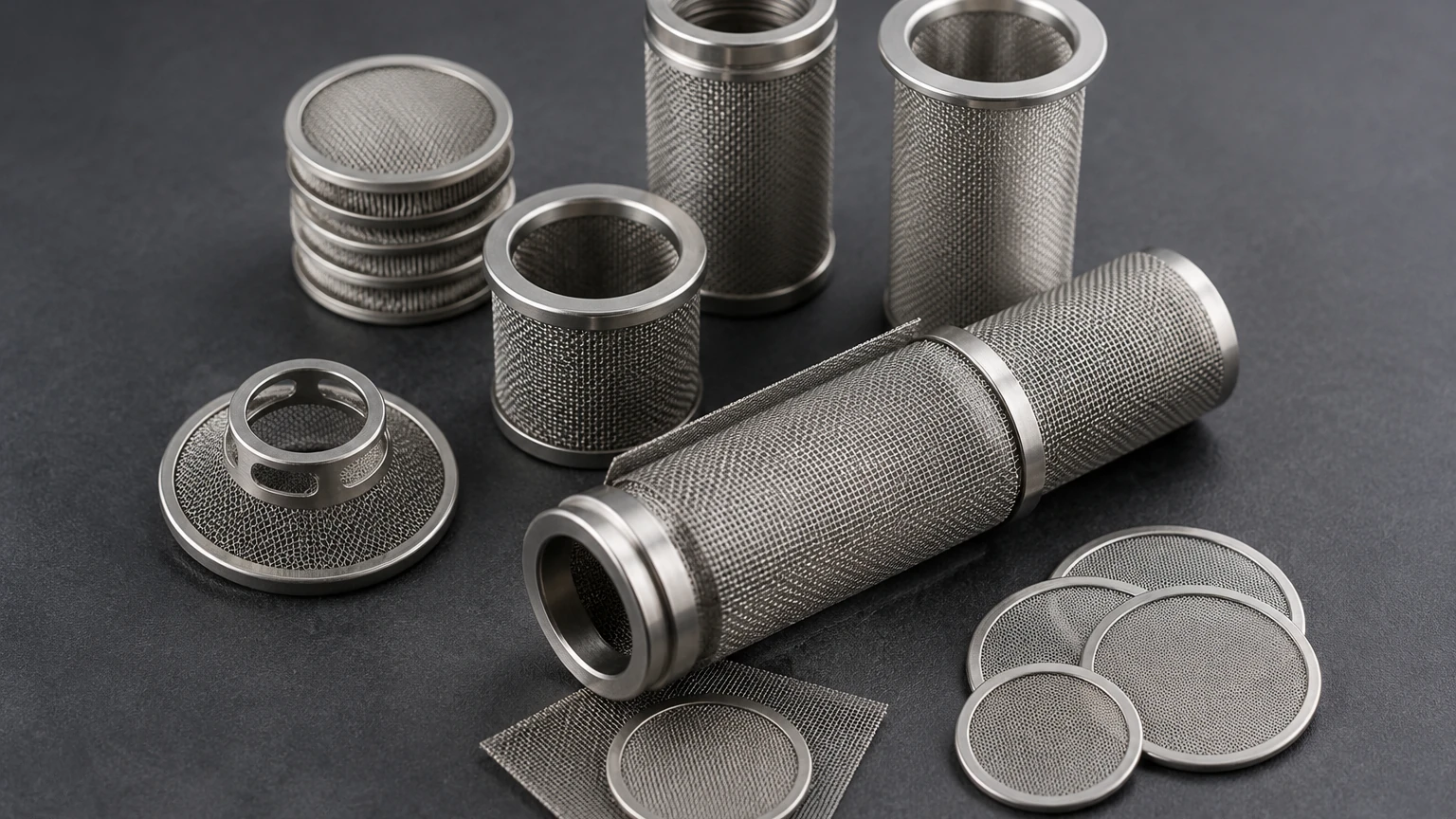
In the realm of polymer processing, plastic recycling, and synthetic fiber production, the quality of the final extrudate is heavily dependent on the efficiency of melt filtration. An extruder screen pack is a critical assembly of wire mesh layers designed to remove contaminants, un-melted resin, and foreign particles from the molten polymer stream before it enters the die. Beyond simple filtration, these components play a vital role in stabilizing melt pressure and improving the homogenization of the polymer melt.
For engineers and procurement professionals, selecting the correct extruder screen pack involves a deep understanding of material science, fluid dynamics, and mechanical engineering. As a specialized manufacturer of stainless steel filtration solutions, Kaifil provides the technical expertise required to navigate these complexities, ensuring that industrial filtration systems operate at peak efficiency with minimal downtime. For more information on our full range of filtration components, you can visit our Main Page.
The Engineering Function of Extruder Screen Packs
The primary function of an extruder screen pack is to ensure the purity of the melt. In plastic recycling, for instance, the melt may contain paper, wood, or metal fragments that could damage downstream equipment or compromise the structural integrity of the final product. However, the secondary functions of the screen pack are equally important for process stability.
Pressure Generation and Homogenization
Screen packs are typically placed between the extruder screw and the breaker plate. By providing resistance to the flow of the molten polymer, the screen pack helps build back pressure within the extruder barrel. This increased pressure enhances the mixing and shearing of the polymer, leading to a more thermally and chemically homogeneous melt. This is particularly important in applications involving color masterbatches or additives, where uniform distribution is essential for product consistency.
Flow Stabilization
The resistance provided by the screen pack also helps to dampen pulsations caused by the rotation of the screw. This stabilization of the flow ensures a steady delivery of material to the die, which is critical for maintaining tight dimensional tolerances in extruded profiles, pipes, and films.
Material Selection and Construction
The harsh environment of an extruder—characterized by high temperatures, high pressures, and potentially corrosive polymers—demands materials with exceptional mechanical and chemical properties. Most extruder screen packs are manufactured from stainless steel due to its durability and resistance to oxidation.
Stainless Steel Alloys
* Stainless Steel 304: The most common material used for standard extrusion applications. It offers excellent strength and good corrosion resistance at a cost-effective price point.
* Stainless Steel 316/316L: Preferred for applications involving corrosive polymers, such as PVC or fluoropolymers. The addition of molybdenum in SS 316 provides superior resistance to pitting and chemical attack.
* High-Nickel Alloys: In extreme cases involving highly corrosive additives or extremely high processing temperatures, specialized alloys like Inconel or Monel may be utilized, though these are less common in standard industrial extrusion.
Weave Types
The performance of an extruder screen pack is also determined by the weave of the wire mesh.
* Plain Weave: The most basic weave where each warp wire crosses over and under each shute wire. It provides a high open area but lower mechanical strength.
* Twilled Weave: Each warp wire passes over and under two shute wires, allowing for heavier wire diameters and increased strength for a given mesh count.
* Dutch Weave (Plain or Twilled): This weave uses a larger diameter for the warp wires and a smaller diameter for the shute wires. This creates a dense, strong mesh with very fine filtration ratings, making it ideal for high-pressure applications where fine particle removal is required.
Configuration and Layering Strategies
A single layer of wire mesh is rarely sufficient for industrial extrusion. Instead, multiple layers are combined into a "pack" to balance filtration accuracy with structural integrity. The arrangement of these layers is a critical engineering decision.
The Sandwich Construction
A typical extruder screen pack follows a symmetrical or graduated layering strategy. For example, a common 3-layer pack might consist of a 20-mesh outer layer, a 100-mesh middle layer, and another 20-mesh outer layer.
* Coarse Outer Layers: These provide mechanical support to the finer inner mesh, preventing it from being pushed through the holes of the breaker plate under high pressure. They also act as pre-filters for large contaminants.
* Fine Inner Layers: These define the actual filtration rating of the pack, capturing the smallest targeted particles.
Spot-Welded vs. Rimmed Packs
To ensure ease of handling and prevent individual layers from shifting during installation or operation, screen packs are often bound together.
* Spot-Welded Packs: Multiple layers are joined at several points around the circumference using resistance welding. This is the most common and cost-effective method for standard circular screens.
* Rimmed Packs: The layers are encased in a metal rim, typically made of aluminum, copper, or stainless steel. Rimmed packs provide a better seal against the walls of the screen changer, reducing the risk of "bypass" where unfiltered polymer leaks around the edges of the pack.
Key Evaluation Criteria for Engineers
When specifying an extruder screen pack, engineers must balance several competing factors to optimize the filtration process.
Filtration Accuracy (Micron Rating)
The micron rating determines the smallest particle size the screen pack can reliably capture. While it may be tempting to select the finest mesh possible, this can lead to excessive pressure drops and frequent screen changes. The goal is to select a rating that removes harmful contaminants without unnecessarily restricting the flow.
Mechanical Strength and Burst Pressure
The screen pack must withstand the full differential pressure of the melt stream. If the mesh is too weak, it can deform or "burst," allowing contaminants to pass into the die. This is especially critical in high-viscosity polymer processing where pressure spikes are common.
Open Area and Flow Rate
The open area of the mesh determines the throughput capacity of the filter. A higher open area results in a lower pressure drop across the screen, which can extend the service life of the pack and reduce the energy consumption of the extruder motor.
Common Risks and Troubleshooting
Failure to correctly select or maintain an extruder screen pack can lead to several operational issues that impact both product quality and equipment longevity.
Screen Blinding and Pressure Spikes
As contaminants accumulate on the surface of the screen, the effective open area decreases, leading to a rapid increase in head pressure. If the pressure exceeds the limits of the extruder or the breaker plate, the system may shut down automatically. Monitoring the pressure differential across the screen is the primary method for determining when a pack needs to be replaced.
Melt Bypass
If the screen pack is not properly sized or if the sealing surfaces of the screen changer are worn, molten polymer can bypass the filtration media. This results in contaminated product and can lead to defects such as "black specks" in the final extrudate. Using rimmed packs or ensuring high-precision manufacturing tolerances can mitigate this risk.
Shear Sensitivity
Some polymers are sensitive to high shear forces. A screen pack that is too dense can create localized areas of high shear, leading to thermal degradation of the polymer. Engineers must ensure that the screen configuration does not compromise the molecular integrity of the material being processed.
Customization and OEM Solutions
Every extrusion line is unique, with variables ranging from screw diameter and motor torque to the specific rheology of the polymer. Standard off-the-shelf screens may not always provide the optimal balance of filtration and flow.
Kaifil specializes in providing customized filtration solutions tailored to specific industrial requirements. This includes custom layer configurations, specialized rim materials, and non-standard shapes (such as oval or rectangular screens for specialized screen changers). By working closely with our engineering team, customers can develop screen packs that maximize the interval between screen changes while maintaining the highest levels of melt purity. To explore our capabilities in custom metal filtration, please visit our Main Page.
Total Cost of Ownership (TCO)
When evaluating the cost of an extruder screen pack, it is important to look beyond the initial purchase price. The true cost of filtration includes:
1. Downtime: The labor and lost production time associated with screen changes.
2. Energy Consumption: The extra power required to push melt through a high-resistance or partially blinded screen.
3. Waste: The amount of polymer lost during the screen change process.
4. Equipment Wear: The strain placed on the extruder motor and gearbox due to high operating pressures.
Investing in high-quality, precision-manufactured screen packs can significantly reduce these secondary costs by extending the operational life of each pack and ensuring consistent process conditions.
Conclusion: Selecting the Right Partner
The extruder screen pack is a small but vital component in the polymer supply chain. Its impact on product quality, process stability, and operational costs cannot be overstated. For engineers and purchasing teams, the key to success lies in selecting a supplier that understands the technical nuances of industrial filtration and can provide reliable, high-performance components.
Whether you are processing virgin resin for medical-grade tubing or recycling post-consumer plastics, the right filtration strategy is essential. By focusing on material quality, precise construction, and application-specific design, Kaifil helps global customers achieve efficient and cost-effective filtration performance. For detailed product specifications and to discuss your specific filtration challenges, we invite you to review our resources on the Main Page.
