


How to Turn Off Steam Filter
In industrial thermal systems, steam filtration is a critical process designed to protect sensitive downstream equipment—such as heat exchangers, turbines, and precision valves—from the abrasive effects of pipe scale, rust, and other particulate matter. However, the operational lifecycle of any filtration system necessitates periodic intervention. Whether for routine maintenance, element replacement, or system-wide shutdowns, understanding how to turn off steam filter assemblies safely and effectively is a fundamental requirement for plant engineers and maintenance technicians.
At Kaifil, we specialize in the engineering and manufacture of high-performance stainless steel filtration solutions. We recognize that the durability of a filter is only as good as the procedures used to manage it. This guide provides a technical overview of the isolation, depressurization, and maintenance protocols required when taking a steam filter offline in an industrial environment.
Understanding the Steam Filter Assembly
Before discussing the physical steps of how to turn off steam filter units, it is essential to understand the typical configuration of an industrial steam station. A standard high-efficiency steam filter usually consists of a 304 or 316L stainless steel housing containing a replaceable filter element. These elements are often made from sintered stainless steel mesh or pleated metal fiber to withstand the high temperatures and differential pressures inherent in steam service.
In most professionally designed systems, the filter is part of a "station" that includes:
* Upstream Isolation Valve: Used to stop the flow of steam into the filter housing.
* Downstream Isolation Valve: Prevents backflow from the rest of the system once the filter is isolated.
* Bypass Line: A secondary path that allows the system to continue operating while the filter is being serviced.
* Bleed or Vent Valves: Small diameter valves used to safely release trapped pressure.
* Condensate Drains: Essential for removing liquid water that forms as the steam cools during the shutdown process.
Safety Protocols for High-Pressure Steam
Steam is one of the most hazardous utilities in an industrial facility. It carries massive amounts of latent heat and operates under pressures that can cause catastrophic mechanical failure if handled improperly. When learning how to turn off steam filter components, safety must be the primary objective.
Lockout/Tagout (LOTO)
Every facility should have a strict Lockout/Tagout procedure. Once the isolation valves are closed, they must be physically locked in the "off" position and tagged with the name of the technician performing the work. This prevents accidental re-pressurization while the filter housing is open.
Thermal Protection
Steam filter housings are typically made of heavy-gauge stainless steel, which retains heat long after the steam flow has stopped. Technicians must wear appropriate Personal Protective Equipment (PPE), including heat-resistant gloves and face shields. Even after the steam is "off," the housing may remain at temperatures exceeding 100°C (212°F) for an extended period.
Pressure Hazards
Never attempt to loosen a housing bolt or a clamp until you have verified that the internal pressure is at zero. A common mistake is assuming that closing the main valves is sufficient. Trapped steam can expand rapidly if the seal is broken prematurely, leading to severe burns or projectile hazards.
Step-by-Step Guide: How to Turn Off Steam Filter
Following a systematic approach ensures that the filtration media—such as the precision-engineered components found on our Main Page—is protected from mechanical shock while ensuring the safety of the operator.
1. System Notification and Bypass Activation
Before isolating the filter, notify the control room or relevant departments. If the process cannot be stopped, open the bypass valve slowly. This ensures a continuous supply of steam to the application, though it is important to note that the steam flowing through the bypass is unfiltered. Minimize the time spent on bypass to protect downstream equipment.
2. Closing the Isolation Valves
Slowly close the downstream isolation valve first. This stops the flow but keeps the filter pressurized. Next, slowly close the upstream isolation valve. Closing valves slowly is vital to prevent "water hammer," a hydraulic shock caused by sudden changes in flow velocity that can rupture gaskets or damage the internal stainless steel mesh.
3. Depressurization and Condensate Drainage
Once the main valves are closed, the filter housing contains trapped, stagnant steam. Open the condensate drain valve at the bottom of the housing. As the steam cools, it will condense into water. After the bulk of the condensate is removed, slowly open the vent or bleed valve at the top of the housing. Monitor the pressure gauge on the housing until it reads zero.
4. Verification
Wait for the housing to cool to a touch-safe temperature. Before proceeding with any disassembly, double-check the pressure gauge and ensure the vent valve is fully open. If the pressure does not drop to zero, it may indicate that one of the isolation valves is leaking (passing), and further upstream isolation may be required.
Engineering Considerations During Shutdown
When managing how to turn off steam filter systems, engineers must account for the physical properties of the materials involved. Stainless steel has a specific coefficient of thermal expansion. Rapid cooling (quenching) can cause stress fractures in the housing welds or distort the seating surfaces of the filter element.
Managing Differential Pressure
If a filter is being turned off because the differential pressure (ΔP) has reached the limit (typically 0.7 to 1.0 bar for steam), the element is likely blinded with contaminants. In this state, the element is physically weaker. Sudden pressure drops during the shutdown can cause a heavily fouled element to collapse or shed debris into the "clean" side of the housing. Controlled depressurization is the only way to maintain the integrity of the spent element for inspection.
Condensate Management
Steam filters are often located at low points in piping or just before critical equipment. When the filter is turned off, the cooling steam creates a vacuum and pulls in more condensate. If this water is not drained before the filter is opened, it will spill out, creating a slip hazard and potentially damaging floor coatings or nearby electronics.
Maintenance Procedures After Isolation
Once the filter is successfully turned off and depressurized, the focus shifts to the internal components. This is the time to evaluate the performance of your filtration strategy.
Inspecting the Filter Element
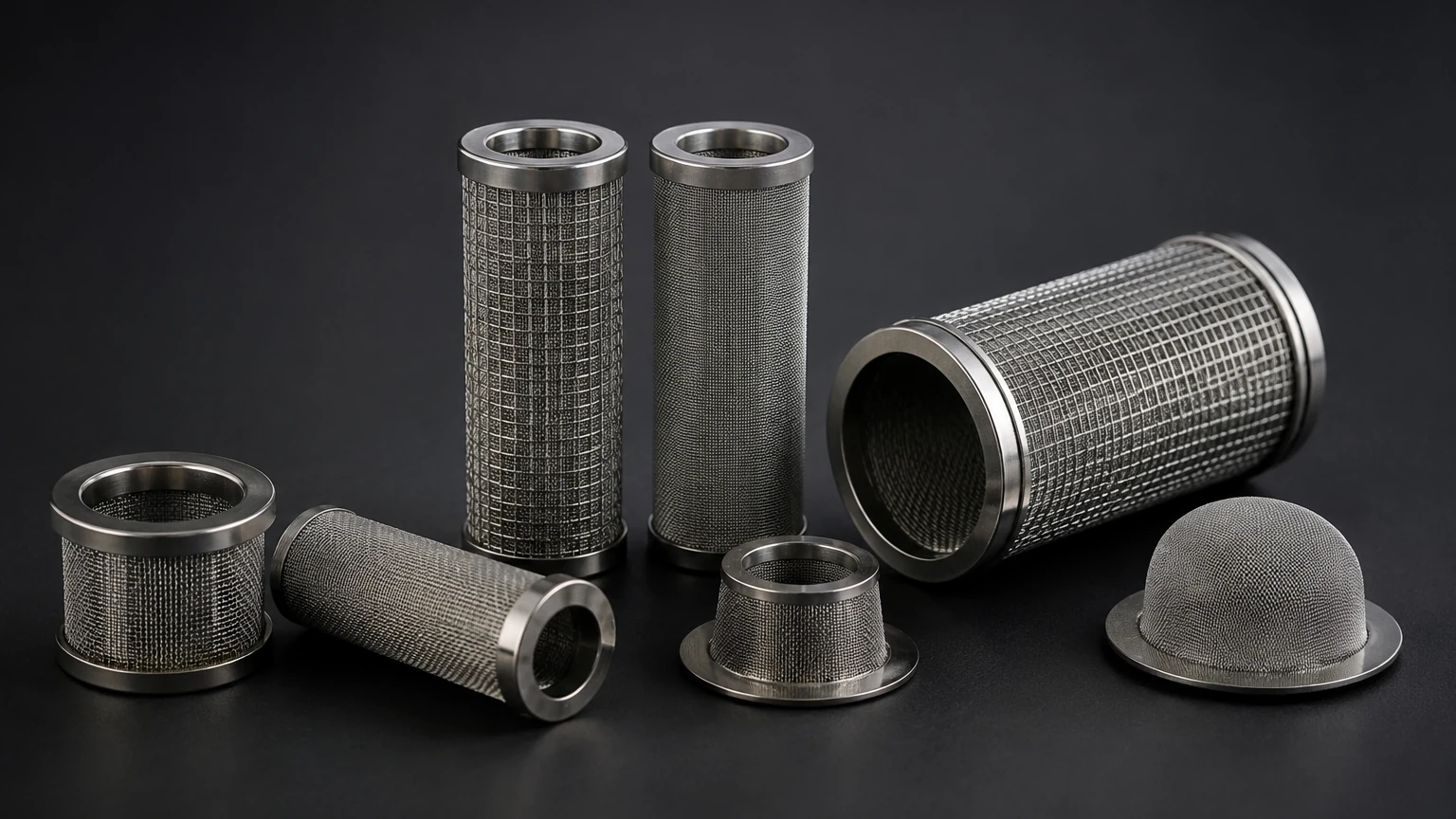
Remove the stainless steel filter cartridge. Inspect it for signs of mechanical damage, such as pitting, corrosion, or mesh deformation. If you are using Kaifil’s custom wire mesh filters, check for the accumulation of fine particulates. In many cases, stainless steel elements can be cleaned using ultrasonic baths or back-flushing, provided the contaminants are not chemically bonded to the metal.
Housing Maintenance
Check the O-rings and gaskets. Steam service is incredibly hard on sealing materials like EPDM or Viton. These should generally be replaced every time the housing is opened to ensure a leak-free seal upon restart. Inspect the interior of the housing for signs of erosion, particularly near the inlet port where high-velocity steam enters.
Re-commissioning the Steam Filter
Turning the filter back on is just as critical as knowing how to turn off steam filter units. The goal is to return the system to service without introducing air or causing thermal shock.
1. Seal the Housing: Reinstall the cleaned or new filter element. Ensure all gaskets are seated correctly and bolts are torqued to the manufacturer's specifications.
2. Air Venting: Close the condensate drain but leave the top vent valve open.
3. Slow Pressurization: "Crack" the upstream isolation valve (open it just slightly). This allows a small amount of steam to enter, heating the housing gradually and pushing air out through the vent.
4. Closing the Vent: Once pure steam (not air) begins to exit the vent, close the vent valve.
5. Full Flow: Slowly open the upstream valve fully, then slowly open the downstream valve.
6. Close Bypass: Once the filter is online and pressure is stabilized, close the bypass valve.
Why Quality Components Matter
The ease and safety of maintaining a steam system often depend on the quality of the filter hardware. At Kaifil, we design our stainless steel filter cartridges and housings with the end-user in mind. By utilizing high-grade materials and precision manufacturing, we ensure that our filters can withstand the repeated thermal cycling associated with turning the system off and on for maintenance.
Engineers choosing filtration solutions should consider:
* Material Compatibility: 316L stainless steel is preferred for its superior resistance to carbonic acid corrosion in steam lines.
* Ease of Access: Does the housing design allow for quick element changes without specialized tools?
* Filtration Accuracy: Are the micron ratings consistent across the entire surface of the mesh?
For more information on selecting the right filtration components for your specific industrial application, you can explore the technical resources and product specifications available on our Main Page.
Conclusion
Learning how to turn off steam filter assemblies is a vital part of industrial utility management. By following a strict protocol of isolation, controlled depressurization, and thorough inspection, you can extend the life of your filtration media and protect your downstream investments. Safety should never be compromised for speed; a patient approach to steam system maintenance pays dividends in the form of reduced downtime and enhanced system reliability. Whether you are dealing with culinary-grade steam for food processing or high-pressure steam for chemical manufacturing, the principles of careful management remain the same. Always refer to your specific equipment manuals and facility safety guidelines before performing any maintenance tasks.
