


Pure Melt Blown Polypropylene Filter Cartridge
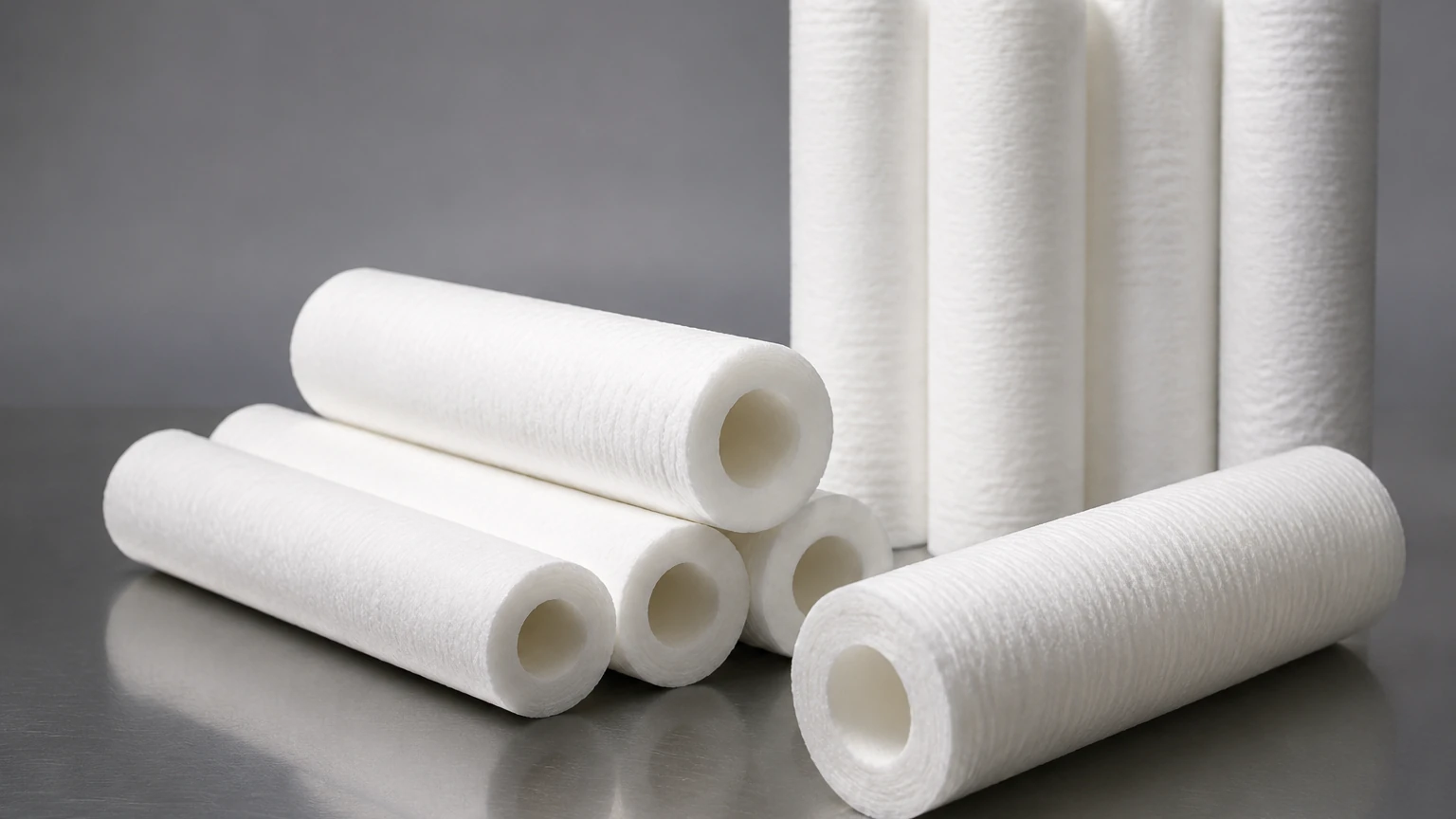
In the landscape of industrial liquid filtration, the pure melt blown polypropylene filter cartridge stands as one of the most versatile and widely utilized depth filtration components. These cartridges are engineered to remove suspended solids, sediment, and particulate matter from a variety of process fluids. While high-performance stainless steel filtration systems often serve as the primary solution for extreme temperatures and aggressive chemicals, polypropylene (PP) melt-blown filters provide a cost-effective, disposable alternative for pre-filtration and clarification in less demanding environments.
Understanding the technical nuances of these cartridges—from their manufacturing process to their chemical compatibility and structural integrity—is essential for engineers and procurement teams looking to optimize filtration efficiency and minimize operational downtime. This guide examines the engineering principles behind pure melt blown polypropylene filter cartridges and provides a framework for selecting the appropriate filtration media for industrial applications.
The Engineering of Melt-Blown Depth Filtration
The performance of a pure melt blown polypropylene filter cartridge is fundamentally determined by its manufacturing process. Unlike string-wound filters, which rely on the tension of wrapped yarn, or pleated filters, which utilize surface area, melt-blown cartridges are depth filters created through a continuous thermal extrusion process.
The Melt-Blown Process
To produce these cartridges, 100% pure polypropylene resin is melted and extruded through a series of fine nozzles. High-velocity hot air streams then attenuate the molten polymer into micro-fibers. These fibers are collected on a rotating mandrel, where they thermally bond to one another without the need for chemical binders, resins, or surfactants. This thermal bonding is critical because it ensures the structural integrity of the filter and prevents fiber migration into the filtrate, which is a common concern in high-purity applications.
Graded Density Structure
One of the most significant advantages of the melt-blown process is the ability to create a "graded density" structure. By varying the air pressure and extrusion speed during production, manufacturers can control the fiber diameter and the density of the fiber matrix.
A high-quality pure melt blown polypropylene filter cartridge typically features a coarser outer layer and a progressively denser inner core. This architecture allows larger particles to be trapped near the surface while smaller particles are captured deeper within the matrix. This gradient prevents the surface from blinding prematurely, significantly increasing the dirt-holding capacity and extending the service life of the cartridge compared to single-density media.
Technical Specifications and Performance Metrics
When evaluating a pure melt blown polypropylene filter cartridge for an industrial system, engineers must look beyond simple micron ratings. The following technical parameters define the cartridge’s suitability for a specific process.
Micron Ratings: Nominal vs. Absolute
Micron ratings for melt-blown filters are generally categorized as nominal. A nominal rating indicates that the filter will trap a high percentage (typically 60% to 85%) of particles at the specified size. For applications requiring 99.9% efficiency, absolute-rated pleated filters or precision-engineered stainless steel components may be required. However, for the vast majority of pre-filtration tasks, nominal melt-blown cartridges provide an excellent balance of cost and performance.
Chemical Compatibility
Polypropylene is a chemically inert thermoplastic, making the pure melt blown polypropylene filter cartridge resistant to a wide range of industrial fluids. It is generally compatible with:
* Organic acids and inorganic acids.
* Alkalis and caustic solutions.
* Most salts and aqueous solutions.
* Many organic solvents (though compatibility with aromatic hydrocarbons and halogenated solvents should be verified).
Because these cartridges are made of 100% pure PP, they do not leach contaminants into the fluid stream, making them suitable for food and beverage, pharmaceutical, and electronic-grade water applications.
Thermal and Pressure Limits
While polypropylene is robust, it has thermal limitations. Most pure melt blown polypropylene filter cartridges are rated for continuous operation up to 60°C (140°F) to 80°C (176°F). Beyond these temperatures, the polymer may soften, leading to pore deformation and a loss of filtration efficiency. For high-temperature steam or hot oil applications, engineers typically transition to metallic filtration solutions, such as those found on the Main Page of specialized manufacturers.
Pressure drop (Delta P) is another critical metric. A clean melt-blown cartridge typically exhibits a low initial pressure drop (often less than 2 psi). The terminal pressure drop—the point at which the filter must be replaced—is usually between 20 and 35 psi, depending on the housing and pump capabilities.
Key Evaluation Criteria for Industrial Procurement
Selecting a pure melt blown polypropylene filter cartridge involves more than matching dimensions. To ensure reliable performance, the following factors should be confirmed with the supplier.
1. Fiber Migration and Media Shedding
In sensitive applications, such as the production of microelectronics or parenteral drugs, fiber migration is a major risk. High-quality cartridges use controlled thermal bonding to ensure that fibers remain locked within the matrix. Engineers should request data on extractables and verify that the filter meets FDA or USP Class VI standards if the application involves human consumption or contact.
2. Core Support vs. Coreless Design
Standard melt-blown filters are often "coreless," relying on the density of the inner fiber layers for structural support. However, in applications involving high differential pressures or frequent pressure surges, a cartridge with a rigid polypropylene or stainless steel center core is preferred. The core prevents the filter from collapsing or bypassing under stress.
3. Surface Geometry
While many melt-blown filters have a smooth surface, some are manufactured with a grooved or embossed surface. Grooving increases the effective surface area, which can help reduce the initial pressure drop and improve the capture of gelatinous or deformable particles that might otherwise form a film on a smooth surface.
4. End Cap Configurations
To ensure a proper seal within the filter housing, various end cap configurations are available. These include:
* Double Open End (DOE): The most common style, utilizing gaskets at both ends.
* Single Open End (SOE): Often featuring a 222 or 226 O-ring configuration with a spear or flat top, providing a more secure, bypass-proof seal for critical applications.
Common Risks and Mitigation Strategies
Even with a high-quality pure melt blown polypropylene filter cartridge, system failures can occur if the operating conditions are not properly managed.
Channeling and Bypass
If a filter is subjected to a differential pressure exceeding its structural limits, the fluid may force "channels" through the fiber matrix. This allows unfiltered fluid to bypass the media. Regular monitoring of pressure gauges and adhering to recommended change-out intervals are the primary defenses against channeling.
Compatibility with Surfactants
While PP is chemically resistant, the presence of certain surfactants or wetting agents in the process fluid can lower the surface tension, potentially allowing particles to "slide" through the pores or causing the fibers to swell. If surfactants are present, technical consultation is recommended to determine if a specialized surface treatment or an alternative material is necessary.
Total Cost of Ownership (TCO)
Because melt-blown cartridges are disposable, the TCO is driven by the frequency of replacement. In systems with high solids loading, a pure melt blown polypropylene filter cartridge may blind quickly. In such cases, it is often more economical to install a backwashable stainless steel pre-filter upstream. This protects the disposable cartridges, extending their life and reducing the long-term cost of consumables and disposal.
Industrial Applications and Use Cases
The versatility of the pure melt blown polypropylene filter cartridge makes it a staple in numerous sectors:
* Water Treatment: Used as a pre-filter for Reverse Osmosis (RO) membranes to remove silt, sand, and scale, thereby protecting expensive membranes from fouling.
* Food and Beverage: Employed in the clarification of bottled water, beer, and wine, as well as the filtration of edible oils and syrups.
* Chemical Processing: Used for the filtration of acids, bases, and plating solutions where corrosion resistance is paramount.
* Oil and Gas: Utilized in the filtration of completion fluids, produced water, and amine sweetening processes.
* Pharmaceuticals: Acts as a pre-filter for sterile filtration stages, removing the bulk of the particulate load to protect high-cost final filters.
Conclusion: Selecting the Right Solution
The pure melt blown polypropylene filter cartridge is a highly effective tool for depth filtration, offering a unique combination of chemical resistance, graded density, and economic value. For engineers, the key to success lies in matching the cartridge’s micron rating, structural design, and end cap style to the specific requirements of the process fluid.
When designing a filtration system, it is often beneficial to look at the process holistically. While disposable PP cartridges are ideal for many clarification tasks, demanding industrial environments may require the durability of custom metal components. For more information on integrated filtration solutions and high-performance metal filter options, professionals are encouraged to explore the resources available on the Main Page of industry-leading manufacturers. By combining the strengths of various filtration media, facilities can achieve the optimal balance of purity, flow rate, and cost-efficiency.
Download Pure Melt Blown Polypropylene Filter Cartridge as a PDF
