


Fluid Filtration Skids
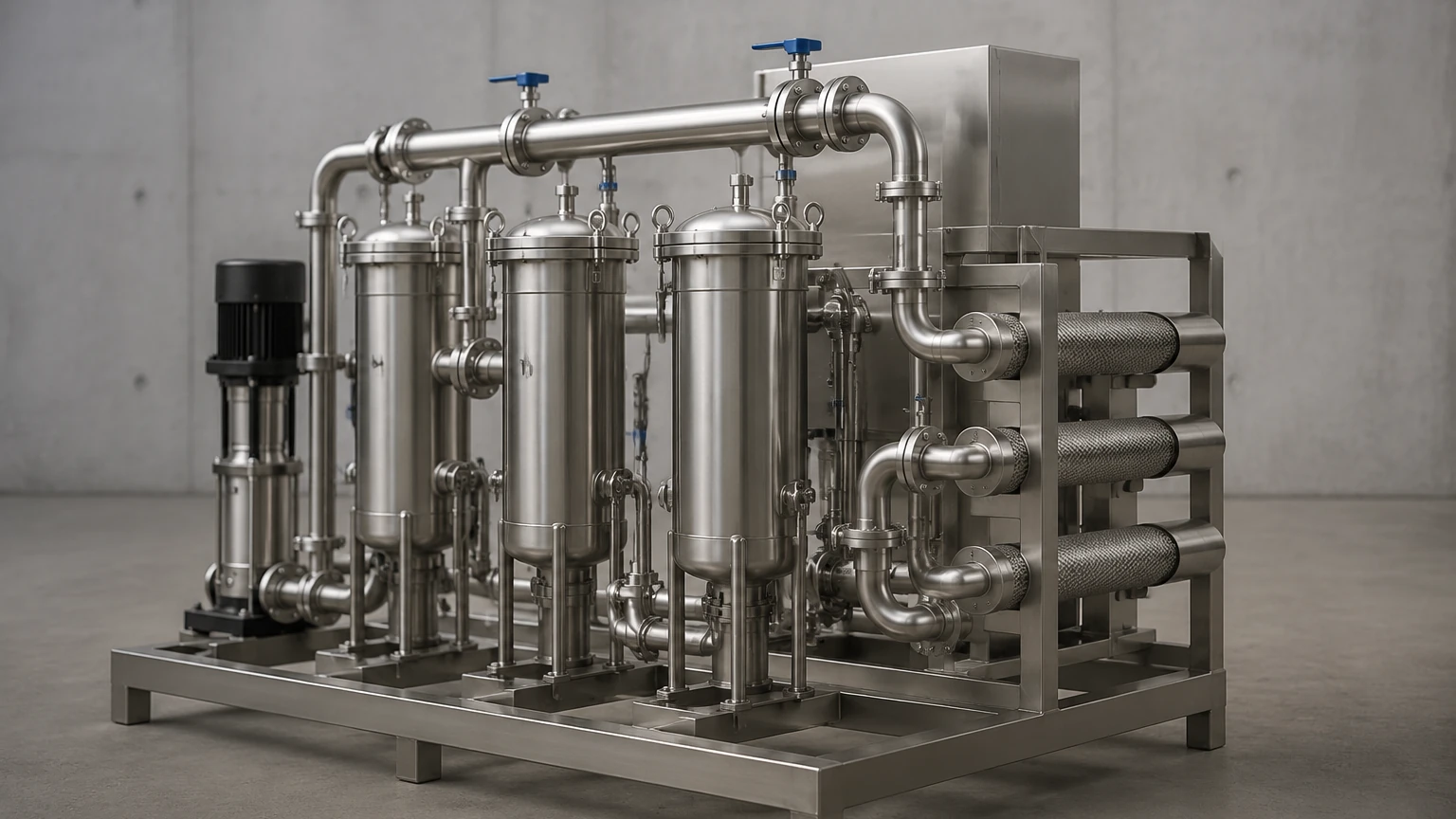
In modern industrial processing, the efficiency of fluid management directly impacts the longevity of downstream equipment, the quality of the final product, and the overall operational cost. Fluid filtration skids have emerged as the preferred solution for engineers seeking a modular, integrated approach to liquid and gas purification. These self-contained systems combine filtration vessels, piping, pumps, and control instrumentation onto a single structural frame, providing a plug-and-play solution for complex industrial environments.
For technical professionals managing chemical processing, food and beverage production, or hydraulic systems, selecting the right skid involves more than just choosing a filter housing. It requires a deep understanding of fluid dynamics, material science, and the specific contaminants involved in the process. This guide explores the engineering principles, selection criteria, and operational considerations essential for implementing high-performance fluid filtration skids.
The Architecture of Integrated Fluid Filtration Skids
A well-engineered fluid filtration skid is a synergy of several critical components, each designed to withstand the rigors of industrial use. At the core of these systems are the filtration vessels, which often house specialized stainless steel filter cartridges or wire mesh filters. Unlike plastic or disposable alternatives, stainless steel components offer superior thermal stability and chemical resistance, making them ideal for aggressive fluids or high-temperature applications.
Beyond the filter media, the architecture includes:
* Structural Framework: Usually constructed from heavy-duty carbon steel or stainless steel, the skid frame ensures all components are securely mounted, protected during transport, and easily accessible for maintenance.
* Pumping Systems: Depending on the fluid viscosity and required flow rate, skids may feature centrifugal, diaphragm, or gear pumps. The pump must be sized correctly to overcome the clean pressure drop of the filters as well as the increasing resistance as the filters load with contaminants.
* Piping and Valving: High-quality manifolds and valves (such as ball, butterfly, or needle valves) control the flow direction, allow for bypass during maintenance, and facilitate sampling.
* Instrumentation and Controls: Modern fluid filtration skids are equipped with differential pressure gauges, flow meters, and temperature sensors. These are often integrated into a Programmable Logic Controller (PLC) to automate backwashing cycles or trigger alarms when filter replacement is necessary.
Technical Evaluation Criteria for System Selection
When evaluating fluid filtration skids, engineers must look beyond the initial footprint and focus on performance metrics that define long-term reliability. The primary goal is to achieve the required ISO cleanliness level or specific particle retention while minimizing downtime.
Filtration Accuracy and Micron Ratings
The selection of the filter media is the most critical technical decision. Stainless steel wire mesh filters provide precise pore sizes, ranging from coarse straining (hundreds of microns) to fine filtration (sub-5 microns). It is essential to distinguish between nominal and absolute micron ratings. An absolute rating ensures that 99.9% of particles of a specific size are captured, which is vital for protecting high-precision hydraulic valves or pharmaceutical processes.
Flow Rate and Pressure Dynamics
The system must be designed to handle the maximum expected flow rate without exceeding the recommended flux (flow per unit area) of the filter media. Excessive flux can lead to premature clogging, particle breakthrough, or structural damage to the filter cartridges. Engineers should demand a pressure drop curve that shows the relationship between flow rate and differential pressure for both clean and dirty states.
Material Compatibility
In industries like chemical processing or water treatment, the fluid may be corrosive or reactive. 304 and 316L stainless steel are the industry standards for skid construction due to their durability. However, the choice of seals and gaskets (EPDM, Viton, or PTFE) is equally important to prevent leaks and system degradation. Ensuring that every wetted part of the fluid filtration skids is compatible with the process fluid is a non-negotiable step in the design phase.
Customization and OEM Considerations
Off-the-shelf filtration solutions rarely meet the specific needs of complex industrial applications. Customization is often required to address unique challenges such as limited floor space, specific inlet/outlet configurations, or extreme operating pressures. Manufacturers like Kaifil specialize in providing customized filtration solutions that integrate seamlessly into existing workflows.
Customization options often include:
* Duplex Configurations: Utilizing two filter housings in parallel allows one side to remain in operation while the other is serviced, ensuring continuous flow for 24/7 operations.
* Automated Backwashing: For high-solids applications, automated self-cleaning mechanisms reduce manual labor and extend the life of the stainless steel filter elements.
* Sanitary Design: For the food, beverage, and pharmaceutical sectors, skids must be designed with polished surfaces and zero-dead-leg piping to prevent bacterial growth and facilitate Clean-in-Place (CIP) procedures.
By working closely with an OEM partner, engineering teams can ensure that the fluid filtration skids are optimized for their specific fluid properties, including viscosity, density, and contaminant loading characteristics.
Operational Risks and Maintenance Strategies
Even the most robustly designed fluid filtration skids face risks if not managed correctly. Understanding these risks is essential for maintaining system integrity and avoiding costly process interruptions.
Differential Pressure Monitoring
The most common failure in filtration systems is the neglect of differential pressure (ΔP). As contaminants build up on the wire mesh or cartridge surface, the ΔP increases. If allowed to exceed the manufacturer’s recommended limit, the structural integrity of the filter element may be compromised, leading to a "burst" or "collapse" that releases all captured contaminants downstream. Automated monitoring and shut-off valves are the best defense against this risk.
Bypass and Seal Integrity
Filtration efficiency is only as good as the seals within the housing. If a gasket is improperly seated or has degraded over time, fluid will take the path of least resistance, bypassing the filter media entirely. Regular inspection of O-rings and the use of high-precision machined seats in stainless steel housings are critical for ensuring that 100% of the fluid passes through the filtration media.
Cleaning and Replacement Cycles
While stainless steel filters are often cleanable and reusable, they have a finite lifespan. Ultrasonic cleaning or chemical baths can restore many wire mesh filters to near-original condition, but repeated cleaning cycles can eventually fatigue the metal. Establishing a clear maintenance schedule based on historical performance data helps in predicting replacement needs and managing spare parts inventory.
Total Cost of Ownership (TCO) in Filtration
When procuring fluid filtration skids, the purchase price is only one component of the Total Cost of Ownership. Engineers and purchasing teams must also consider:
1. Energy Consumption: Higher pressure drops require more pumping power. A system designed with a larger filtration area may have a higher upfront cost but will save significant energy over its lifespan.
2. Consumable Costs: While stainless steel elements are more expensive than disposable bags or paper cartridges, their reusability often results in a lower cost-per-liter of filtered fluid over several years.
3. Labor and Downtime: Systems that are difficult to service or require frequent manual cleaning increase labor costs. Modular skids designed for easy access and quick-change elements provide better long-term value.
Conclusion: Confirming the Next Steps
Implementing fluid filtration skids is a strategic investment in process stability. Before moving forward with a project, technical teams should confirm the exact nature of the contaminants (size, shape, and concentration), the chemical properties of the fluid, and the desired level of automation. Engaging with a manufacturer that understands the nuances of precision metal filtration ensures that the resulting system will perform reliably under demanding industrial conditions.
For engineers looking to optimize their filtration processes with high-quality stainless steel components and custom-engineered systems, reviewing technical specifications and application support is a vital first step. To explore the full range of custom filtration capabilities and technical resources, visit the Main Page of our site. Whether you are designing a new system or upgrading an existing one, professional guidance in material selection and filtration accuracy will ensure your fluid filtration skids deliver consistent, cost-effective performance for years to come.
