


Hydraulic Filter Housing
In industrial fluid power systems, the hydraulic filter housing serves as the critical pressure vessel that contains the filter element and directs the flow of hydraulic fluid. While the filter element performs the actual task of removing contaminants, the housing is responsible for maintaining system integrity under varying pressures, protecting the internal media from mechanical damage, and ensuring that fluid bypasses or flows through the system as engineered.
For engineers and procurement professionals, selecting the correct hydraulic filter housing is not merely about finding a container; it is about matching the housing’s mechanical properties with the system's operational demands. This includes considerations of fatigue strength, material compatibility, and flow dynamics. As a manufacturer specializing in precision filtration components, Kaifil provides the technical expertise required to integrate high-performance stainless steel filtration into robust housing designs for the most demanding industrial applications.
The Functional Role of a Hydraulic Filter Housing
A hydraulic filter housing is designed to perform several concurrent functions. Primarily, it provides a leak-proof environment for the filtration process. Because hydraulic systems often operate under high pressures—sometimes exceeding 3,000 to 6,000 PSI—the housing must be engineered to withstand both static pressure and dynamic pressure spikes (water hammer) without deformation or failure.
Beyond containment, the housing serves as the interface between the filtration media and the rest of the hydraulic circuit. It features inlet and outlet ports, often designed with specific thread types (such as NPT, SAE, or BSPP) or flange connections to minimize turbulence and pressure drop. Internally, the housing structure ensures that the filter element is seated correctly, preventing "unfiltered" fluid from bypassing the media due to poor sealing. For comprehensive information on how these components integrate into broader industrial systems, professionals often refer to the Main Page for technical specifications and material options.
Engineering Parameters for Housing Selection
When specifying a hydraulic filter housing, engineers must evaluate several technical parameters to ensure long-term reliability and system efficiency. Failure to account for these variables can lead to housing fatigue, seal failure, or inadequate filtration performance.
Pressure Ratings: Static vs. Fatigue
Most housings carry a nominal pressure rating, but in hydraulic applications, the fatigue rating is often more critical. A housing may be rated for a static pressure of 400 bar, but if the system experiences frequent pressure cycles (common in heavy machinery), the fatigue life of the metal must be considered. Aluminum housings are lightweight and cost-effective for low-to-medium pressure, while stainless steel or ductile iron is preferred for high-pressure or high-cycle environments.
Flow Rate and Pressure Drop (ΔP)
The housing itself contributes to the overall pressure drop of the filtration assembly. Engineers must calculate the "clean pressure drop," which is the resistance offered by the housing and a clean element at a specific viscosity and flow rate. To maintain system efficiency, the housing should be sized so that the initial pressure drop does not trigger bypass valves prematurely. Oversizing a housing can often lead to longer element life and lower energy consumption due to reduced flow resistance.
Fluid Compatibility and Temperature
The choice of material for the hydraulic filter housing and its associated seals (O-rings) must be compatible with the hydraulic fluid used. While standard mineral oils are compatible with most metals, synthetic fluids, water-glycols, or high-temperature phosphate esters require specific materials. Stainless steel housings are the industry standard for corrosive environments or when using aggressive fluids that would degrade carbon steel or aluminum.
Types of Hydraulic Filter Housings and Their Applications
The placement of the filter within the hydraulic circuit dictates the design and strength requirements of the hydraulic filter housing. There are four primary configurations used in industrial settings:
1. Suction Line Housings
Located before the pump, these housings are designed to protect the pump from large contaminants. Because they operate under vacuum or very low pressure, they are typically larger to minimize flow restriction, which could otherwise cause pump cavitation. These often feature easy-access lids for frequent cleaning of the internal suction strainers.
2. Pressure Line Housings
Positioned after the pump, these are the most robust housings in the system. They must withstand the full system pressure and are usually made from high-strength materials like stainless steel or forged steel. They protect sensitive downstream components like servo valves and actuators.
3. Return Line Housings
These are situated where the fluid returns to the reservoir. They operate at lower pressures than pressure line housings but must handle high flow surges. Many return line housings are "tank-mounted," meaning they are integrated directly into the reservoir lid to save space and simplify plumbing.
4. Duplex Housings
For critical systems that cannot be shut down for maintenance, duplex housings consist of two filter chambers connected by a change-over valve. This allows the operator to divert flow to a clean filter while replacing the element in the other chamber, ensuring continuous filtration during 24/7 operations.
Material Science: The Advantage of Stainless Steel
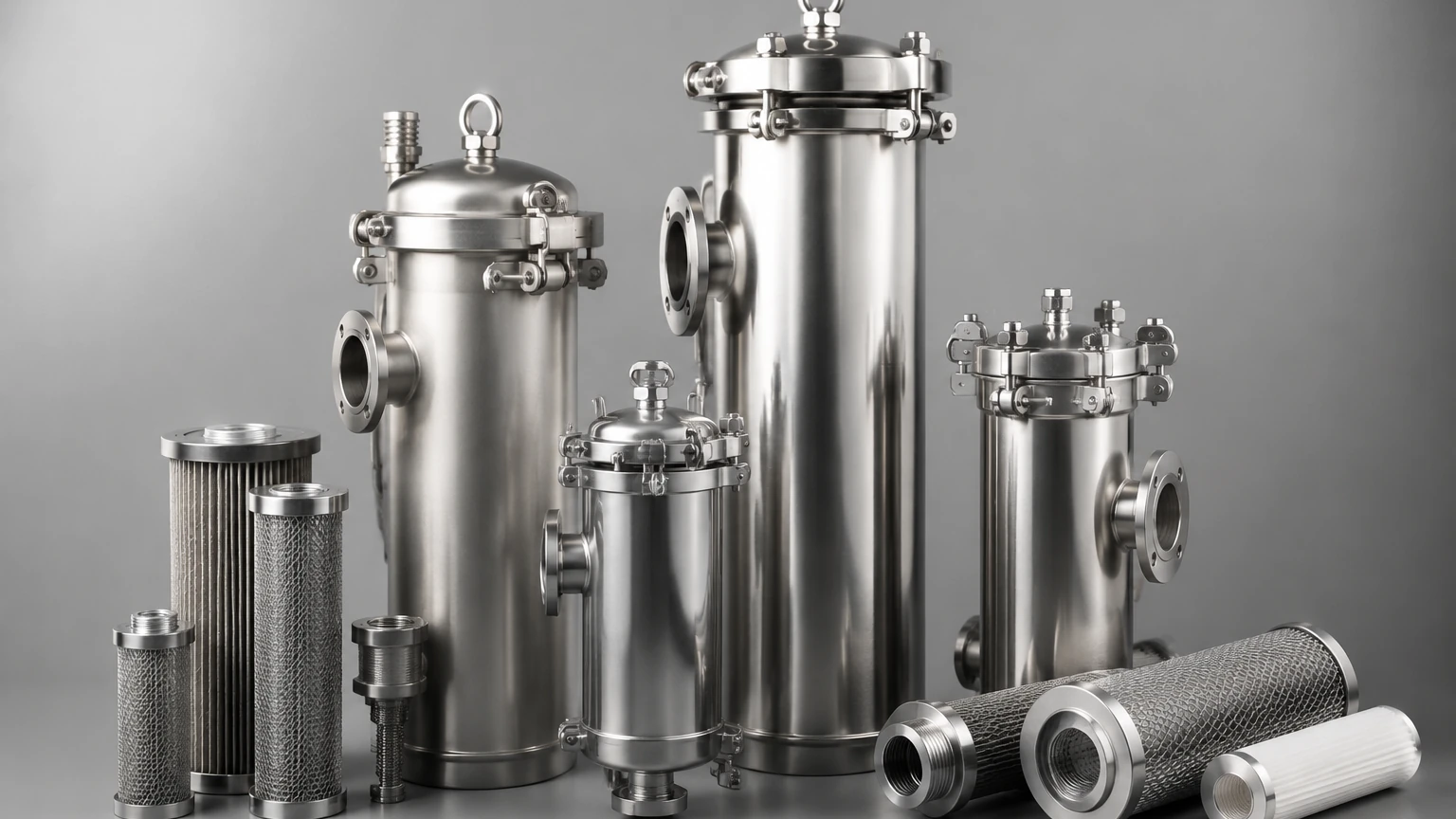
In many specialized industrial sectors—such as chemical processing, food and beverage, and offshore oil and gas—the environment demands more than just structural strength. This is where stainless steel hydraulic filter housing designs become essential.
Stainless steel (typically 304 or 316L) offers superior corrosion resistance compared to painted carbon steel or aluminum. In the food and pharmaceutical industries, stainless steel is required for its non-reactive properties and ease of sterilization. In offshore or marine applications, the salt-laden atmosphere would quickly corrode standard housings, leading to external leaks and potential environmental hazards.
Kaifil’s expertise in stainless steel fabrication ensures that these housings are manufactured with precision tolerances. High-quality welding and surface finishing prevent the accumulation of bacteria or contaminants in "dead zones" within the housing, which is a critical requirement for high-purity applications.
Technical Features: Bypass Valves and Clogging Indicators
A well-engineered hydraulic filter housing is often equipped with features that protect the system from human error or unexpected cold-start conditions.
* Bypass Valves: If a filter element becomes completely clogged, the resulting pressure buildup could burst the element or starve the downstream system. A bypass valve integrated into the housing allows fluid to flow around the element once a specific differential pressure is reached. While this allows unfiltered fluid into the system temporarily, it prevents catastrophic mechanical failure.
* Clogging Indicators: To help maintenance teams, housings often include ports for visual or electrical indicators. These devices monitor the differential pressure across the filter. A visual indicator (pop-up button or gauge) shows when the element needs replacement, while an electrical indicator can send a signal to a central control system (PLC) to alert operators or trigger an automated shutdown.
Customization and OEM Solutions in Filtration
Standard off-the-shelf housings do not always meet the spatial or performance requirements of complex industrial machinery. In these instances, custom OEM solutions are necessary. Customization can involve unique porting configurations, specialized mounting brackets, or non-standard materials for extreme temperature ranges.
Manufacturers like Kaifil work closely with engineering teams to develop bespoke filtration components that fit within tight envelopes or meet specific certification standards. By controlling the manufacturing process from material selection to final pressure testing, Kaifil ensures that the hydraulic filter housing and the internal wire mesh or sintered metal elements work in perfect synchronicity. This holistic approach to design reduces the risk of bypass leakage and optimizes the dirt-holding capacity of the system.
Total Cost of Ownership and Maintenance
When evaluating a hydraulic filter housing, the initial purchase price is only one component of the total cost of ownership (TCO). A cheaper, undersized housing may lead to higher operational costs due to:
1. Frequent Element Changes: Higher pressure drops across a small housing can shorten the effective life of the filter element.
2. Energy Loss: Excessive flow resistance requires the pump to work harder, increasing electrical consumption over the life of the machine.
3. Maintenance Labor: Housings that are difficult to open or poorly positioned increase the man-hours required for routine service.
Investing in a high-quality, correctly sized housing—particularly one made of durable materials like stainless steel—ensures that the system remains operational for decades with minimal intervention. Engineers should confirm the availability of replacement seals and the ease of element removal before finalizing a housing selection.
Conclusion
The hydraulic filter housing is a fundamental component of any high-performance fluid power system. It is the bridge between the precision of the filter media and the raw power of the hydraulic circuit. By understanding the nuances of pressure ratings, material compatibility, and flow dynamics, technical professionals can select housings that not only protect their equipment but also improve overall system efficiency.
Whether you are designing a new hydraulic circuit or upgrading an existing one, choosing a partner with deep manufacturing experience in stainless steel filtration is vital. For those seeking reliable, custom-engineered solutions, exploring the options available on the Main Page provides a starting point for achieving superior filtration performance in any industrial environment.
