


Disk Water Filter
In industrial water treatment and process engineering, the selection of a primary filtration system is a critical decision that impacts downstream equipment longevity, maintenance costs, and overall system efficiency. The disk water filter has emerged as a preferred solution for applications requiring high dirt-holding capacity and reliable performance under varying suspended solid loads. Unlike traditional screen filters that provide surface filtration, disk filters utilize a depth filtration mechanism, offering a unique balance between the precision of screen filters and the capacity of media filters.
For engineers and procurement teams, understanding the technical nuances of the disk water filter is essential for optimizing industrial processes. This guide examines the engineering principles, material considerations, and selection criteria necessary for implementing effective filtration solutions in sectors ranging from chemical processing to food and beverage production.
Engineering Principles of Disk Filtration
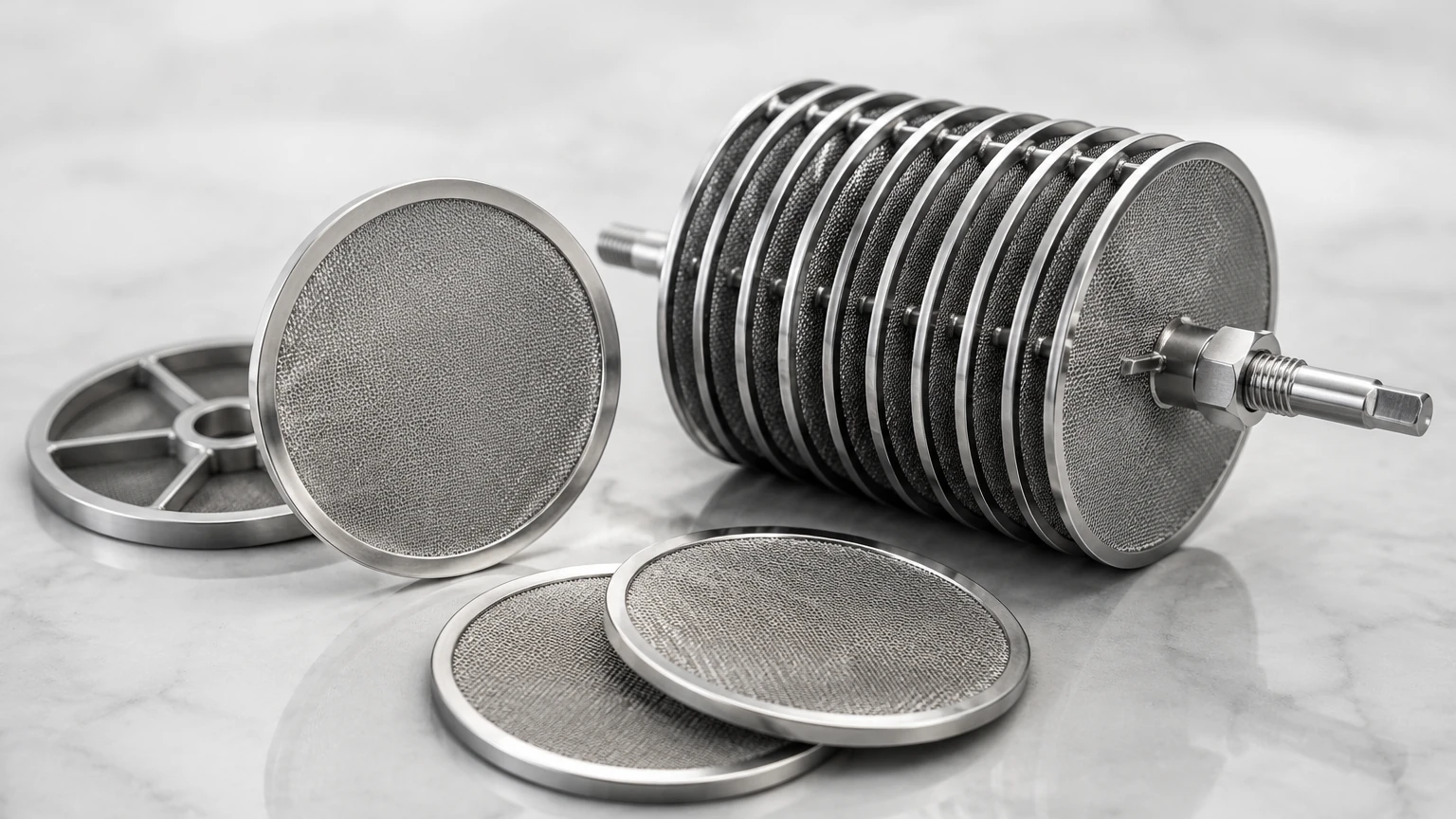
The core of a disk water filter consists of a stack of thin, grooved synthetic or metallic disks. These disks are compressed together on a central spine. The grooves on the surface of each disk are cut in opposite directions; when stacked, these grooves intersect to create a complex matrix of traps and channels.
Depth Filtration Mechanism
This intersection of grooves creates a three-dimensional filtration environment. As water is forced through the stack from the outer diameter to the inner core, particles are trapped not just on the surface, but throughout the entire depth of the disk stack. This "depth filtration" capability allows the disk water filter to handle higher concentrations of organic matter and irregular particles compared to single-layer screen filters, which can blind quickly when exposed to fibrous or sticky contaminants.
Filtration Accuracy and Micron Ratings
The micron rating of a disk filter is determined by the depth and geometry of the grooves. In industrial settings, these ratings typically range from 5 microns to 400 microns. For high-precision applications, such as pre-filtration for reverse osmosis (RO) systems or protecting sensitive spray nozzles, finer ratings are employed. Conversely, coarser ratings are used for primary intake water or cooling tower side-stream filtration. Selecting the correct rating requires a balance: a finer filter provides better protection but increases the frequency of backwashing and the potential for pressure drop.
Material Selection and Industrial Durability
While polymer-based disk filters are common in agricultural irrigation, industrial applications often demand materials that can withstand chemical exposure, high temperatures, and mechanical stress. As a specialist in custom stainless steel filtration, Kaifil provides insights into why material selection is the foundation of filter reliability.
Stainless Steel vs. Polymer Components
In many industrial environments, particularly in chemical processing or high-pressure hydraulic systems, standard plastic disks may lack the necessary structural integrity or chemical resistance. Stainless steel (specifically 304 or 316L grades) offers several advantages:
1. Temperature Resistance: Metallic components can operate in environments exceeding the thermal limits of most polymers.
2. Chemical Compatibility: Stainless steel is resistant to a wide range of solvents, oils, and cleaning agents used in CIP (Clean-In-Place) cycles.
3. Mechanical Strength: High-pressure surges can cause plastic disks to deform or bypass; stainless steel maintains its geometry under significant differential pressure.
For those seeking specialized configurations or high-durability components, reviewing the technical specifications on the Main Page can provide a baseline for material performance and custom engineering options.
Performance Metrics: Flow Rates and Pressure Drop
When specifying a disk water filter, engineers must evaluate the relationship between flow rate and pressure drop ($\\Delta P$). A well-designed system should operate with a minimal initial pressure drop to conserve energy and maximize the time between cleaning cycles.
Calculating Effective Filtration Area
The effective filtration area of a disk stack is significantly larger than that of a screen filter of the same footprint. However, as the filter captures debris, the available pathways through the grooves decrease, leading to an increase in differential pressure. Industrial systems typically set a "terminal pressure drop"—the point at which the filter must be cleaned—at approximately 0.5 to 0.7 bar (7 to 10 psi) above the clean pressure drop.
Flow Capacity Considerations
Flow capacity is influenced by the viscosity of the fluid and the nature of the solids being filtered. In water treatment, a disk water filter is often rated for a specific flow (e.g., cubic meters per hour). However, if the water contains high levels of algae or colloidal silica, the actual sustainable flow rate may be lower than the nominal rating. It is standard engineering practice to size the filter based on the peak solids loading rather than the average loading to prevent system downtime.
System Integration and Backwash Mechanisms
One of the primary advantages of the disk water filter is its ability to be cleaned without manual disassembly. This is achieved through backwashing, which can be manual, semi-automatic, or fully automated based on a timer or a pressure differential switch.
The Backwashing Process
During a backwash cycle, the compression on the disk stack is released. In many designs, the disks are allowed to spin freely while high-pressure water jets are directed at them from the center of the spine. This centrifugal action, combined with the reversal of flow, dislodges trapped particles and flushes them out through a drain port.
Automation and Control
For 24/7 industrial operations, automated backwash systems are essential. These systems utilize PLC (Programmable Logic Controller) integration to monitor the pressure across the filter bank. When the terminal pressure drop is reached, the system triggers a sequential backwash, where one filter housing is cleaned while the others continue to provide filtered water to the process. This ensures a continuous flow and minimizes the impact on downstream operations.
Comparing Disk Filters with Alternative Technologies
To make an informed purchasing decision, it is helpful to compare the disk water filter against screen and media filters.
| Feature | Disk Filter | Screen Filter | Media (Sand) Filter |
| :— | :— | :— | :— |
| Filtration Type | Depth | Surface | Depth |
| Solids Handling | High (Organic & Inorganic) | Moderate (Inorganic) | Very High |
| Backwash Water Loss | Low | Very Low | High |
| Footprint | Compact | Very Compact | Large |
| Maintenance | Low | Moderate | High |
Disk filters are particularly effective when the source water contains a mix of sand (inorganic) and organic matter (algae or slime). Screen filters often struggle with organic matter as it tends to "smear" across the screen surface, making it difficult to remove during backwash. Media filters are excellent for high solids but require a large footprint and significant volumes of water for backwashing.
Customization and OEM Considerations
In many industrial projects, a standard off-the-shelf disk water filter may not meet specific spatial or technical requirements. Customization becomes necessary when dealing with unique pipe configurations, specific alloy requirements, or integration into existing OEM machinery.
Engineering for Specific Applications
Custom filtration solutions involve more than just sizing. They require an analysis of the fluid's rheology, the abrasive nature of the solids, and the environmental conditions. For instance, in pharmaceutical or food-grade applications, the filter components must meet strict surface finish requirements to prevent bacterial growth.
Kaifil specializes in manufacturing these precision components, ensuring that the filter elements—whether they are wire mesh based or specialized metal disks—align with the exacting standards of industrial engineering. By visiting the Main Page, technical teams can explore how custom manufacturing supports these demanding applications through precise material selection and advanced production techniques.
Total Cost of Ownership and Maintenance Cycles
The initial purchase price (CAPEX) of a disk water filter is only one part of the economic equation. Engineers must also consider the operational expenditure (OPEX), which includes energy costs associated with pressure drop, water loss during backwashing, and the replacement of wear parts.
Longevity and Replacement
High-quality disk stacks, especially those utilizing stainless steel components, can last for several years with proper maintenance. The primary wear parts in these systems are the seals, O-rings, and occasionally the spine mechanism. Unlike cartridge filters, which are disposable and represent a recurring cost, the disks in a disk water filter are permanent media that only require replacement if they are mechanically damaged or chemically compromised.
Maintenance Best Practices
To ensure the longevity of a disk water filter, the following maintenance steps are recommended:
* Regular Inspection of Seals: Prevent bypass by ensuring all gaskets are intact.
* Monitoring Backwash Efficiency: If the pressure drop does not return to the "clean" level after a backwash, it may indicate that the disks require chemical cleaning to remove mineral scale or biological biofilm.
* Pressure Gauge Calibration: Ensure that the differential pressure sensors are accurate to prevent unnecessary backwashing or system bypass.
Conclusion
The disk water filter represents a versatile and robust solution for modern industrial water treatment. By providing depth filtration in a compact, backwashable format, it addresses the challenges of varying water quality and high solids loading. When selecting a system, engineers should prioritize material durability, accurate micron sizing, and the potential for customization to ensure the filter integrates seamlessly into the broader industrial process. For those looking to implement or upgrade their filtration infrastructure, focusing on high-performance components and expert manufacturing is the key to achieving long-term operational success.
