


Cip Contamination
In high-purity industrial sectors such as pharmaceutical manufacturing, food and beverage processing, and chemical engineering, Clean-In-Place (CIP) systems are the backbone of hygiene and operational efficiency. However, the phenomenon of cip contamination remains a significant technical challenge for engineers and plant managers. When CIP processes fail to remove residues or, worse, introduce new impurities into the production line, the resulting contamination can lead to batch rejection, regulatory non-compliance, and extensive downtime. Understanding the mechanics of contamination within these automated cleaning cycles is essential for maintaining the integrity of the Main Page of any industrial filtration strategy.
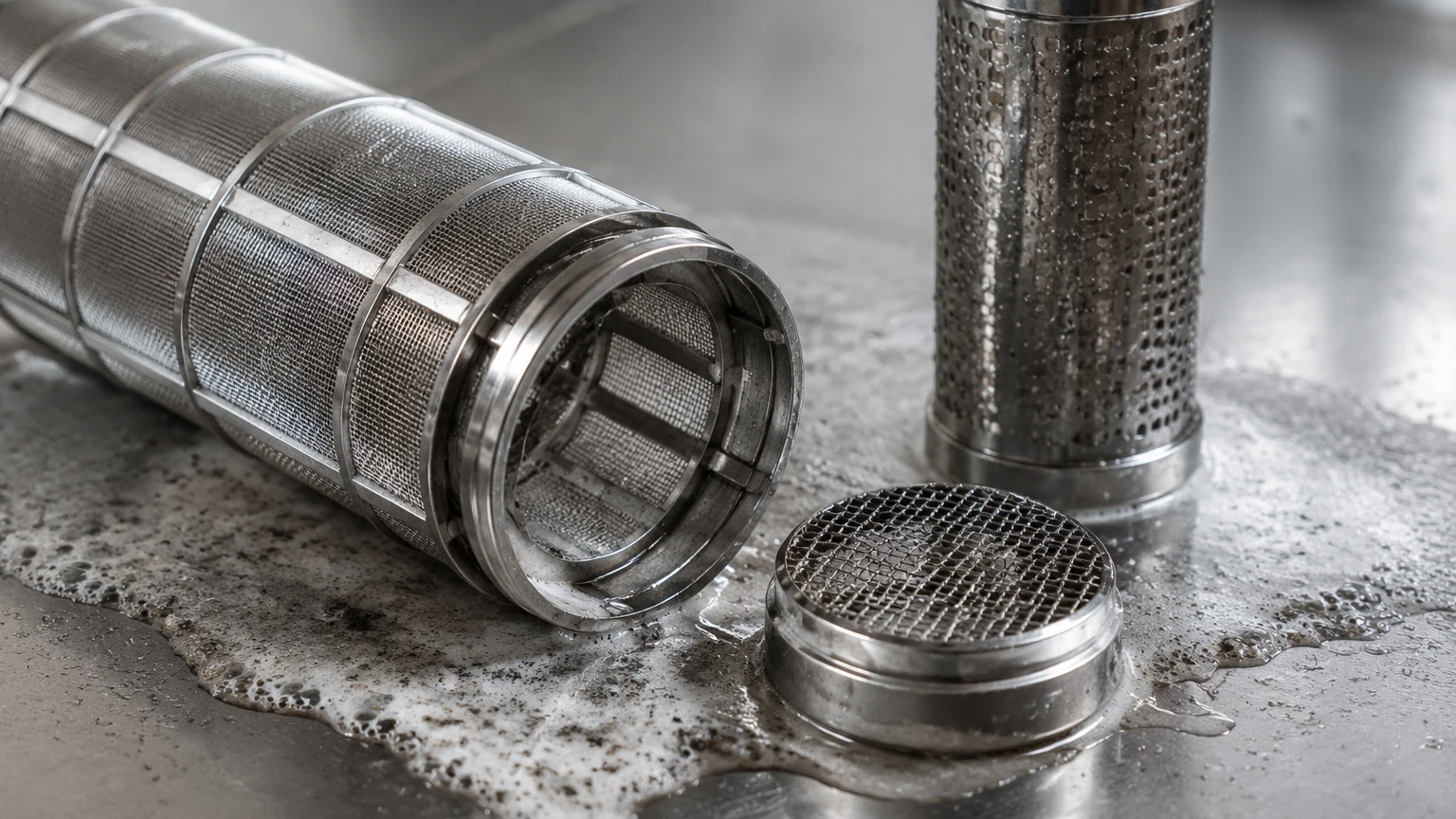
Industrial filtration components, particularly stainless steel wire mesh filters and cartridges, play a dual role in this context. They must effectively remove particulates during production while remaining cleanable and resistant to the aggressive chemicals used during the CIP cycle. This article explores the technical nuances of cip contamination, the engineering considerations for mitigation, and the selection criteria for filtration components that ensure system-wide purity.
Understanding the Sources of CIP Contamination
Cip contamination is rarely the result of a single failure; it is typically a systemic issue arising from mechanical design, chemical imbalances, or operational oversights. To effectively mitigate these risks, engineers must categorize the types of contaminants encountered during and after the cleaning cycle.
Chemical Residues and Carryover
One of the most common forms of cip contamination is the presence of residual cleaning agents—such as caustic soda, nitric acid, or phosphoric acid—in the production line after the final rinse. This carryover often occurs due to insufficient rinsing times, poor hydraulic design that prevents thorough flushing, or the use of porous materials that absorb chemicals. In pharmaceutical applications, even trace amounts of cleaning agents can alter the pH or chemical stability of the product, leading to significant quality deviations.
Biological and Biofilm Accumulation
In industries dealing with organic matter, such as dairy or brewing, biological cip contamination is a primary concern. If the CIP cycle does not achieve the required temperature or chemical concentration at every point in the system, bacteria can survive and form biofilms. These biofilms are highly resistant to standard cleaning and can shed microorganisms into subsequent batches. Biofilms often take hold in "dead legs"—sections of piping where fluid does not circulate—or on the rough surfaces of improperly finished metal components.
Physical Particulates and Cross-Contamination
Physical contamination involves the transfer of solid residues from one production run to the next. This is particularly prevalent in multi-product facilities. If the filtration system is not designed for easy cleaning, particles from a previous batch can become trapped in the filter media or housing gaskets. During the next CIP cycle, these particles may be dislodged but not fully removed, eventually finding their way into the new product stream.
The Role of Filtration in Mitigating CIP Contamination
Filtration systems are often the last line of defense against impurities, but they can also be a source of cip contamination if not correctly specified. For a filter to support a clean environment, it must balance high filtration efficiency with "cleanability."
Surface vs. Depth Filtration
In CIP environments, surface filtration (such as that provided by stainless steel wire mesh) is generally preferred over depth filtration. Depth filters trap particles within a complex matrix of fibers, making them nearly impossible to clean in place. Conversely, stainless steel wire mesh filters capture contaminants on the surface of the media. This allows the CIP fluids to reach and dislodge the particles more effectively, reducing the risk of residual cip contamination being trapped within the filter structure.
Material Compatibility and Corrosion Resistance
Stainless steel, particularly Grade 316L, is the industry standard for CIP-compatible filtration. It offers excellent resistance to the high temperatures and corrosive chemicals used in cleaning cycles. If a filter material reacts with the CIP solution, it can undergo surface pitting. These microscopic pits provide a sanctuary for bacteria and residues, directly contributing to long-term cip contamination issues. Ensuring that all filter components, including the support cores and end caps, are made from high-quality, corrosion-resistant alloys is a fundamental engineering requirement.
Engineering Considerations for CIP-Compatible Filters
Designing a system that avoids cip contamination requires a deep dive into the geometry and surface characteristics of the filtration components. Engineers must look beyond micron ratings to evaluate how a filter will behave during the cleaning phase.
Surface Finish and Ra Values
The smoothness of the filter’s metal surfaces is measured by its Roughness Average (Ra). For sanitary applications, a surface finish of Ra < 0.8 µm is often required. A rough surface contains microscopic peaks and valleys that can trap proteins, fats, and minerals. During a CIP cycle, the cleaning fluid may flow over these valleys without reaching the contaminants at the bottom. Specifying electropolished stainless steel filters can significantly reduce the risk of cip contamination by creating a mirror-like finish that facilitates easy soil removal.
Eliminating Dead Legs and Shadow Zones
In a filter housing, a "shadow zone" is an area where the cleaning fluid cannot reach due to the internal geometry of the component. This often occurs at the junction of the filter element and the housing seat, or around complex support structures. If the CIP fluid cannot achieve turbulent flow in these areas, the cleaning action is neutralized. Engineers should select filter designs with open architectures and streamlined flow paths to ensure that every square millimeter of the filter is exposed to the cleaning chemicals and high-velocity rinse water.
Structural Integrity Under Thermal Stress
CIP cycles involve rapid transitions between cold rinse water and hot caustic solutions (often exceeding 80°C). These thermal shocks cause materials to expand and contract. If a filter element is not structurally sound, these stresses can lead to bypass—where the seal between the filter and the housing fails. A compromised seal allows unfiltered fluid and CIP residues to bypass the media, leading to immediate cip contamination of the downstream system.
Monitoring and Validating CIP Effectiveness
To ensure that cip contamination is being managed, industrial facilities must implement rigorous monitoring and validation protocols. This involves both real-time data collection and periodic physical inspections.
1. Conductivity Monitoring: By measuring the conductivity of the final rinse water, operators can determine if all chemical cleaning agents have been flushed from the system. A return to the base conductivity of the input water indicates that chemical carryover has been minimized.
2. Differential Pressure (DP) Analysis: Monitoring the pressure drop across a filter during the CIP cycle can provide insights into its cleanliness. If the DP remains high after a cleaning cycle, it suggests that the filter media is still blinded by residues, posing a risk of cip contamination for the next batch.
3. ATP Testing and Swabbing: For biological validation, Adenosine Triphosphate (ATP) testing is used to detect the presence of organic matter on the surfaces of filter housings and elements. This provides immediate feedback on whether the CIP cycle was successful in eliminating potential microbial growth sites.
Selection Criteria for Stainless Steel Filter Components
When purchasing filtration components to prevent cip contamination, procurement teams and engineers should focus on several key technical specifications. These criteria ensure that the filter will perform reliably in a demanding CIP environment.
Micron Rating and Mesh Type
The choice of mesh—whether plain weave, twilled weave, or Dutch weave—affects both filtration precision and cleanability. For CIP systems, a mesh that provides a stable pore size while allowing for backwashing or high-pressure spraying is ideal. The micron rating must be fine enough to protect downstream equipment but not so tight that it becomes a permanent trap for cleaning-resistant soils.
Welded vs. Bonded Construction
Filters used in CIP processes should ideally feature all-welded construction. Adhesives or resins used in bonded filters can degrade when exposed to harsh CIP chemicals and high temperatures. Degraded adhesives not only lead to structural failure but can also leach chemicals into the process stream, becoming a source of cip contamination themselves. Plasma or TIG welding ensures a robust, monolithic structure that maintains integrity over hundreds of cleaning cycles.
Customization for Specific Applications
Standard off-the-shelf filters may not always meet the unique hydraulic requirements of a specific CIP system. Customization allows for the optimization of end-cap designs, seal materials (such as EPDM or PTFE), and reinforcement layers. By tailoring the filter to the specific flow rates and chemical profiles of the plant, engineers can significantly reduce the likelihood of stagnant zones and subsequent cip contamination.
Mitigating Risks and Total Cost of Ownership
While high-quality, CIP-compatible stainless steel filters may have a higher initial purchase price than disposable alternatives, their impact on the total cost of ownership (TCO) is profound. The primary risk of using inferior filtration components is the cost associated with a single instance of cip contamination. A contaminated batch in the pharmaceutical industry can result in losses totaling hundreds of thousands of dollars.
Furthermore, durable stainless steel filters reduce the frequency of filter replacement. In a CIP-optimized system, these filters can be cleaned and reused for years, provided they are maintained correctly. This reduces waste and minimizes the labor costs associated with frequent system teardowns. To maximize the lifespan of these components and prevent cip contamination, facilities should establish a clear maintenance schedule that includes periodic ultrasonic cleaning to remove deeply embedded particulates that standard CIP cycles might miss.
Conclusion
Managing cip contamination is a critical requirement for any industrial process that demands high levels of hygiene and consistency. By understanding the sources of contamination—from chemical carryover to biofilm growth—and implementing filtration solutions designed specifically for cleanability, engineers can safeguard their production integrity. Stainless steel wire mesh filters and cartridges, when engineered with the correct surface finishes and structural designs, provide a reliable barrier against impurities while standing up to the rigors of automated cleaning.
For technical professionals seeking to optimize their filtration performance and eliminate the risks associated with cleaning cycles, selecting the right manufacturing partner is essential. High-performance filtration components must be matched to the specific chemical and thermal demands of the application. To explore a comprehensive range of industrial filtration solutions and engineering support, engineers are encouraged to Review product options and application support to ensure their systems remain free from the costly impacts of cip contamination.
