


Pp Filter Plates
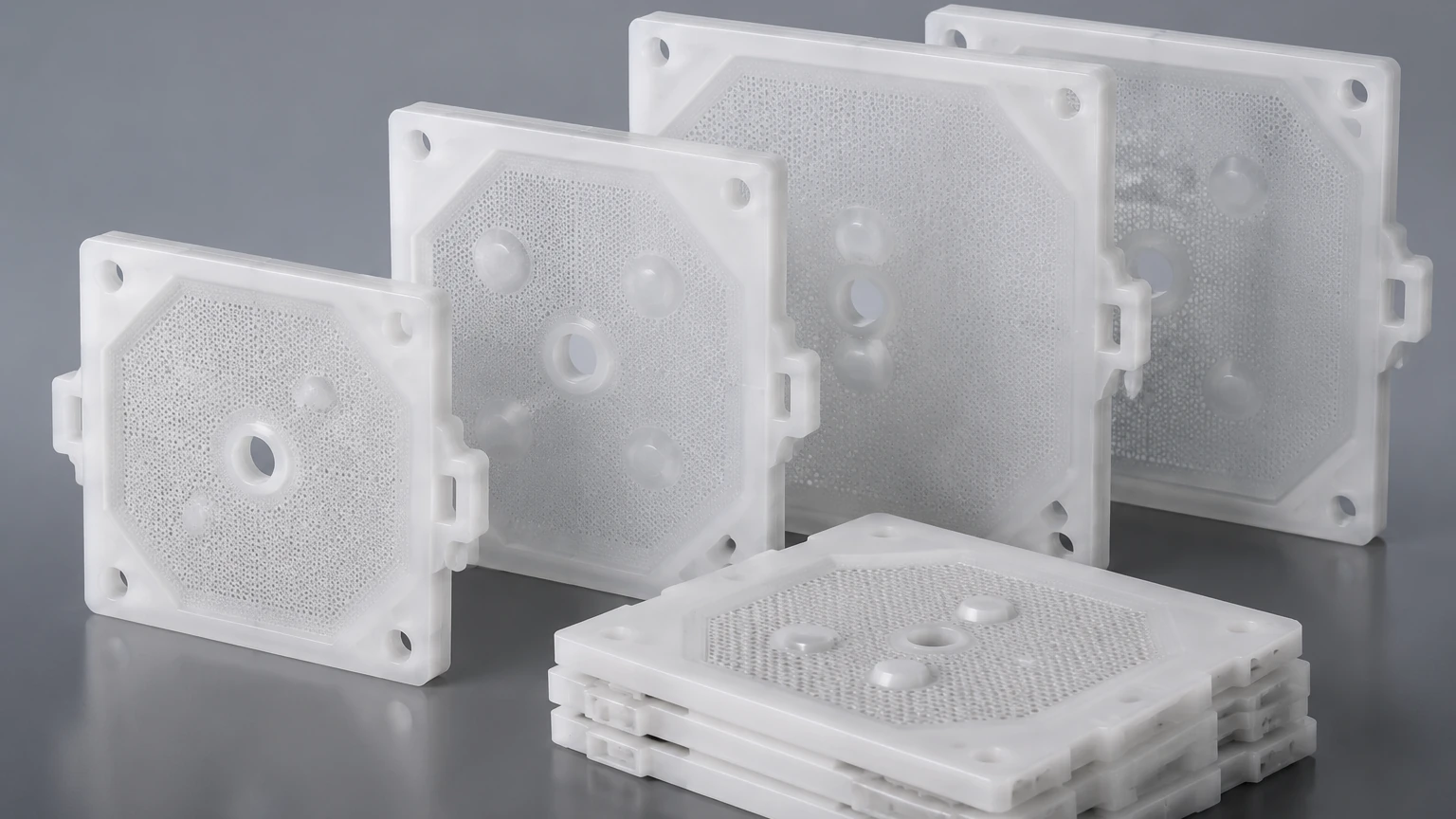
In the landscape of industrial liquid-solid separation, the selection of filter media and support structures is a critical engineering decision that directly impacts operational efficiency, cake dryness, and the longevity of the filtration equipment. Among the various components used in filter press systems, pp filter plates—manufactured from high-density polypropylene—have become a standard choice for a wide range of chemical and industrial applications. Their popularity stems from a unique combination of chemical inertness, mechanical strength, and cost-effectiveness.
For engineers and procurement teams, understanding the technical nuances of these plates is essential for optimizing process performance. While metal filtration components, such as those offered by specialists like Kaifil, provide superior performance in high-temperature or extreme-pressure environments, polypropylene plates serve as the backbone for standard corrosive and municipal applications. This guide explores the engineering considerations, material properties, and selection criteria for polypropylene filter plates in professional industrial environments.
Material Science: Why Polypropylene?
Polypropylene (PP) is a thermoplastic polymer used extensively in filtration due to its exceptional resistance to a broad spectrum of chemicals. In the context of filter plates, high-quality units are typically produced through high-pressure injection molding or compression molding of chemically stabilized, heat-resistant polypropylene.
Chemical Compatibility
One of the primary reasons for selecting pp filter plates is their near-total resistance to acids and alkalis. Unlike metallic plates, which may require expensive alloys like Hastelloy or Titanium to withstand corrosive slurries, PP remains stable in the presence of sulfuric acid, hydrochloric acid, and various organic solvents at moderate temperatures. This makes them the default choice for wastewater treatment, mineral processing, and chemical manufacturing.
Thermal and Mechanical Properties
Standard polypropylene filter plates are generally rated for operating temperatures up to 80°C (176°F), though specialized glass-filled or reinforced grades can extend this range slightly. Mechanically, PP offers a high strength-to-weight ratio. This reduces the overall weight of the filter press stack, which in turn lowers the structural requirements for the press frame and reduces the energy required for the hydraulic shifting mechanisms.
Types of PP Filter Plates and Their Applications
Not all filtration processes are identical, and the design of the filter plate must reflect the specific requirements of the slurry being processed. There are three primary configurations used in modern industry.
1. Recessed Chamber Plates
Recessed chamber plates are the most common type used in industrial filter presses. In this design, the filtration chamber is formed by the concave recesses of two adjacent plates. When the plates are clamped together, they create a hollow space where the filter cake accumulates.
* Advantages: Simple design, high durability, and ease of cake discharge.
* Best For: Standard applications where high cake dryness is not the absolute priority, but reliability and low maintenance are essential.
2. Membrane (Diaphragm) Filter Plates
Membrane plates feature a flexible face (the membrane) that can be inflated using compressed air or water after the initial filtration cycle is complete. This "secondary squeeze" further compresses the filter cake, forcing out additional mother liquor.
* Advantages: Significantly higher solids content in the cake, reduced wash time, and shorter overall cycle times.
* Best For: Processes where the liquid recovery is valuable or where the cost of cake disposal is calculated by weight (requiring maximum dryness).
3. Plate and Frame
This is the traditional design consisting of a solid plate and a separate hollow frame where the cake forms. While largely superseded by recessed chamber plates in many sectors, they are still utilized in applications requiring very fine filtration or where the filter cloth must be supported without any mechanical stress.
Engineering Considerations for Selection
When specifying pp filter plates for a new installation or as replacements, several technical parameters must be confirmed to ensure compatibility with the existing system and process goals.
Filtration Pressure
Filter plates are rated for specific maximum feed pressures, typically ranging from 7 bar (100 psi) to 15 bar (225 psi). Exceeding these limits can lead to plate deformation or "wicking," where fluid bypasses the sealing surfaces. Engineers must match the plate’s pressure rating to the pump’s curve and the process requirements.
Drainage Surface Design
The surface of the plate (the area behind the filter cloth) features a pattern of pips or ribs. This design is critical for supporting the cloth while allowing the filtrate to flow freely to the discharge ports. A "pipped" surface is often preferred as it provides multi-directional flow and better support for the cloth, reducing the risk of tearing under high pressure.
Feed Port Location
The location of the slurry feed—center, top, or corner—affects how the chamber fills. Center-feed plates are common for larger units as they provide an even distribution of solids, reducing the risk of uneven pressure distribution that can warp plates. Corner-feed designs are often used in smaller systems or when specific cake washing flows are required.
Comparison: PP vs. Stainless Steel Filtration Components
In many industrial facilities, there is a choice between polymer-based systems and metal-based systems. While pp filter plates are excellent for many tasks, they are not universal solutions. Understanding the boundary between these materials is vital for plant engineering.
| Feature | Polypropylene (PP) Plates | Stainless Steel (304/316L) |
| :— | :— | :— |
| Temperature Limit | Max ~90°C | Max >500°C (depending on seals) |
| Chemical Resistance | Excellent for acids/alkalis | Excellent for organics; susceptible to chlorides |
| Pressure Handling | Moderate (up to 20 bar) | Very High (custom engineered) |
| Hygienic Properties | Good, but can be porous | Superior; non-porous and easy to sterilize |
| Weight | Lightweight | Heavy |
In applications involving high-temperature steam sterilization (SIP) or high-pressure hydraulic systems, stainless steel components—such as the precision wire mesh filters and cartridges manufactured by Kaifil—are often required. Many advanced systems use a hybrid approach: PP plates for the bulk separation and stainless steel polishing filters for the final product stage to ensure purity. For more information on high-performance metal filtration, you can Review product options and application support on the official Kaifil site.
Maintenance and Operational Longevity
To maximize the service life of pp filter plates, a proactive maintenance schedule is required. Unlike metal components which may suffer from pitting or corrosion, the primary failure modes for PP plates are mechanical wear and thermal fatigue.
1. Gasket Inspection: For CGR (Caulked, Gasketed, Recessed) plates, the O-ring seals must be inspected for compression set or chemical degradation. Leaking gaskets lead to pressure loss and environmental hazards.
2. Surface Cleaning: Over time, fine particles can bypass the filter cloth and clog the drainage pips. Regular power washing of the plate surfaces ensures that filtrate flow remains unobstructed.
3. Alignment Checks: If the filter press frame is not properly aligned, the plates will not seat squarely. This creates uneven stress on the plate handles and sealing edges, eventually leading to cracking or warping.
4. Cloth Replacement: The filter cloth is the primary wear item. A blinded or torn cloth increases the pressure differential across the plate, which can cause the plate to flex and fail prematurely.
Confirming Specifications Before Purchase
For procurement teams, sourcing pp filter plates requires more than just knowing the external dimensions (e.g., 800mm x 800mm). To ensure a successful integration, the following data points should be confirmed with the manufacturer:
* Chamber Depth: This determines the cake thickness. Common depths range from 20mm to 50mm.
* Filtration Area: The total effective surface area available for filtration per plate.
* Cake Volume: The total capacity of the chamber for solid accumulation.
* Sealing Type: Whether the application requires a gasketed (leak-proof) design or a non-gasketed design where some minor weeping is acceptable.
* Connection Standards: Ensure that the filtrate discharge and air blow-down ports match the existing manifold piping.
Conclusion
Polypropylene filter plates are an indispensable component in modern industrial separation. By offering a balance of chemical resistance and mechanical durability, they enable the efficient processing of complex slurries across the chemical, pharmaceutical, and water treatment sectors. However, the success of a filtration system depends on selecting the right material for the right environment.
When process conditions exceed the thermal or structural limits of polypropylene, transitioning to precision-engineered metal filtration solutions becomes necessary. By understanding the technical specifications of both polymer and metal media, engineers can design systems that minimize downtime and maximize product yield. For technical professionals seeking to optimize their filtration processes with high-quality components, visiting the Main Page of a specialized manufacturer like Kaifil provides access to the expertise required for custom industrial solutions.
