


Woven Wire Wooden Fence: Engineering and Material Selection Guide
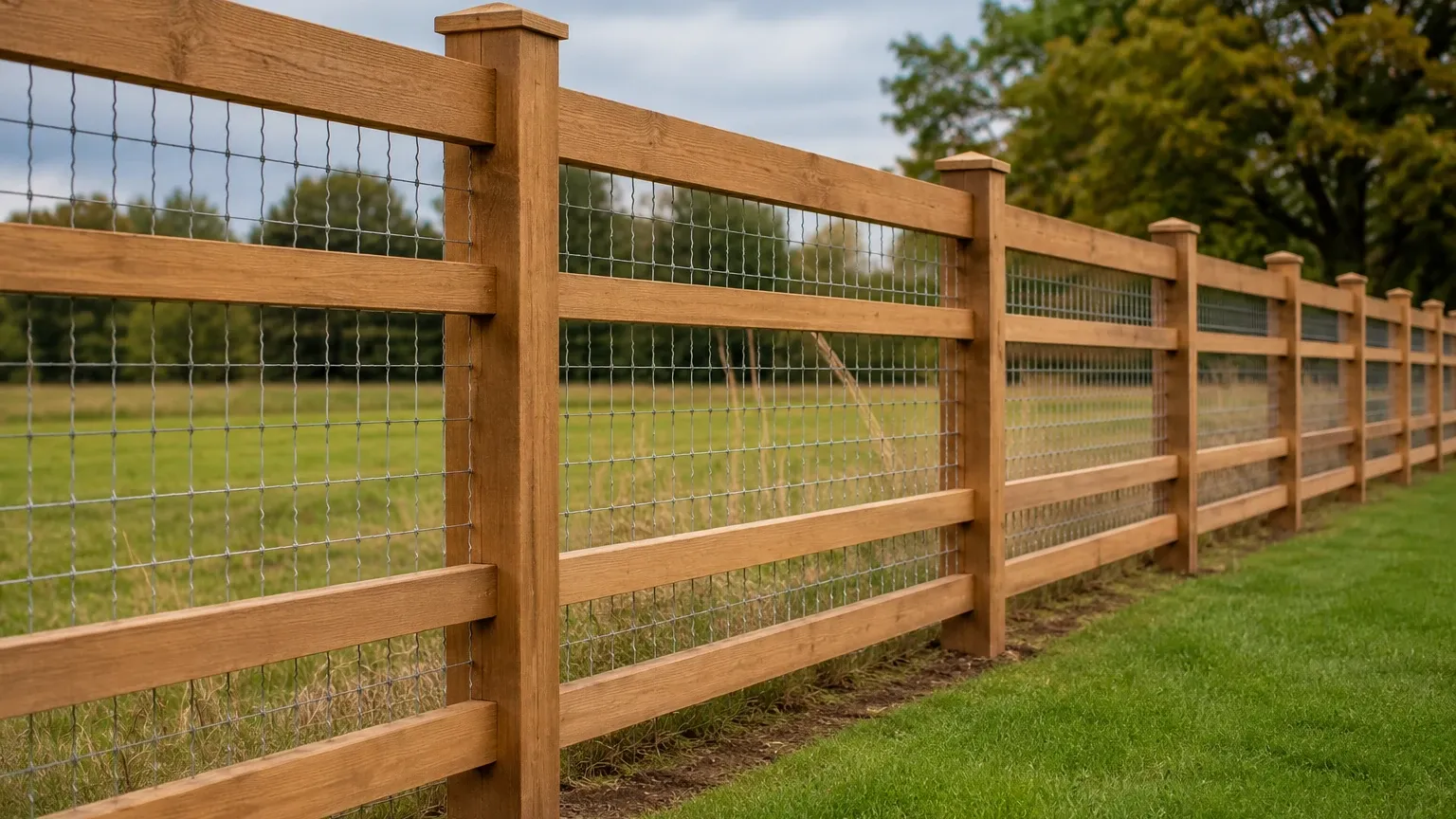
In both industrial and high-end architectural applications, the integration of metal components with traditional structural materials requires a deep understanding of mechanical properties and environmental compatibility. A woven wire wooden fence represents a hybrid construction that combines the structural flexibility of timber with the high-performance characteristics of industrial Woven Wire Mesh.
For engineers, facility managers, and procurement specialists, selecting the correct mesh is not merely an aesthetic choice but a technical decision that impacts the longevity, security, and maintenance requirements of the installation. This guide examines the technical specifications, material science, and engineering considerations necessary to specify the right components for a durable woven wire wooden fence system.
Understanding the Role of Industrial Woven Wire Mesh in Fence Construction
Industrial-grade Woven Wire Mesh differs significantly from standard retail fencing products. While consumer-grade hardware cloth is often manufactured with thin-gauge galvanized steel, industrial mesh is produced to precise tolerances, ensuring consistent aperture sizes and superior tensile strength. When integrated into a wooden frame, the mesh serves as the primary barrier, while the wood provides the compression strength and aesthetic structure.
From a technical perspective, the weave type—whether plain, twill, or a specialized Dutch weave—determines how the mesh reacts to external forces. For most fencing applications, a plain weave is preferred due to its balanced stability and predictable open area. However, in specialized industrial enclosures where high-pressure hosing or specific security requirements are present, heavier gauges and tighter weaves may be necessary. For those evaluating specific technical requirements, you can Review product options and application support to ensure the mesh meets the project's mechanical demands.
Material Selection: Why Stainless Steel Outperforms Galvanized Options
A common challenge in a woven wire wooden fence is the interaction between the metal and the wood's natural moisture or chemical treatments. Standard galvanized wire often reacts with the tannins in certain woods (like cedar or redwood) or the chemicals in pressure-treated lumber (such as ACQ), leading to premature corrosion at the contact points.
Grade 304 Stainless Steel
SS304 is the industry standard for most outdoor and industrial fencing. It provides excellent resistance to oxidation and is highly durable against physical impact. In a wooden fence configuration, SS304 prevents the unsightly "bleeding" or rust streaks that often occur with carbon steel components.
Grade 316 Stainless Steel
For installations in coastal environments or facilities where chemical exposure is a factor (such as chemical processing plants or food production zones), SS316 is the superior choice. The addition of molybdenum provides enhanced resistance to chloride-induced pitting. While the initial capital expenditure is higher, the total cost of ownership is reduced through the elimination of replacement cycles caused by salt-air corrosion.
Technical Specifications: Mesh Count, Wire Diameter, and Open Area
When specifying Woven Wire Mesh for a wooden frame, three primary variables must be calculated: mesh count, wire diameter, and the resulting percentage of open area.
1. Mesh Count: This refers to the number of wires per linear inch. For a woven wire wooden fence, a lower mesh count (e.g., 2×2 or 4×4) with a larger wire diameter is typically used to provide structural rigidity and visibility.
2. Wire Diameter: The thickness of the wire determines the mesh's resistance to deformation. In industrial perimeters, a larger wire diameter (e.g., 0.063" to 0.120") ensures that the mesh remains taut and resists sagging over time.
3. Open Area: This is a calculation of the space between wires. It is critical for wind load considerations. A fence with a low open area acts as a sail, putting immense pressure on the wooden posts during high-wind events. Engineers must balance the need for a secure barrier with the need for airflow to ensure the structural integrity of the entire fence line.
Structural Integration: Securing Woven Wire Mesh to Wooden Frameworks
The interface between the metal mesh and the wooden frame is the most common point of failure in a woven wire wooden fence. Because wood and metal have different coefficients of thermal expansion and react differently to humidity, the fastening method must allow for slight movement while maintaining tension.
The Sandwich Method
The most reliable engineering approach is the "sandwich" method. The Woven Wire Mesh is placed against the primary wooden frame, and a secondary wooden batten or "stop" is screwed over the mesh edges. This distributes the tension evenly across the entire perimeter of the mesh panel rather than concentrating stress on individual staples or nails.
Tensioning Considerations
Unlike flexible chain-link, industrial woven mesh is relatively rigid. If the mesh is not properly tensioned during installation, it may develop "oil-canning" or ripples. For large-scale industrial projects, using pre-framed metal panels that are then bolted into the wooden structure can provide a more precise and durable result.
Environmental Factors and Corrosion Resistance in Perimeter Applications
A woven wire wooden fence is constantly exposed to environmental stressors. Beyond simple oxidation, engineers must consider the following:
* Crevice Corrosion: This occurs in the small gaps where the wire mesh meets the wood. Moisture trapped in these crevices can accelerate corrosion even in stainless steel if the grade is insufficient for the environment.
* UV Degradation: While the metal mesh is immune to UV, the wooden frame is not. As wood warps or shrinks due to sun exposure, it can pull on the mesh fasteners. Specifying high-quality, kiln-dried timber and robust stainless steel fasteners is essential to counteract these forces.
* Impact Resistance: In industrial settings, fences may be subject to impact from machinery or debris. The high tensile strength of stainless steel Woven Wire Mesh ensures that the barrier remains intact even if the wooden frame sustains minor cosmetic damage.
Cost-Benefit Analysis: Industrial Mesh vs. Commercial Fencing
While the upfront cost of a woven wire wooden fence utilizing industrial stainless steel mesh is higher than standard galvanized fencing, the long-term ROI is significant for B2B applications.
| Feature | Industrial Stainless Woven Mesh | Standard Galvanized Fencing |
| :— | :— | :— |
| Service Life | 25+ Years | 5-10 Years |
| Maintenance | Minimal (occasional cleaning) | High (rust treatment/replacement) |
| Structural Rigidity | High | Low to Moderate |
| Chemical Resistance | Excellent (especially SS316) | Poor |
| Aesthetic Retention | Maintains clean metallic finish | Dulls and rusts over time |
For facilities where downtime for repairs is costly or where the perimeter must maintain a professional appearance (such as corporate campuses or pharmaceutical labs), the durability of stainless steel mesh is a prerequisite.
Maintenance and Longevity of Woven Wire Wooden Enclosures
To maximize the lifespan of a woven wire wooden fence, a proactive maintenance schedule should be implemented. For the metal components, this involves periodic rinsing with clean water to remove accumulated salts or industrial pollutants. This is particularly important for the "dead zones" where the mesh meets the wood, as these areas do not benefit from natural rainwater cleaning.
For the wooden components, regular sealing or staining is required to prevent rot. When the wood remains structurally sound, it continues to provide the necessary tension to keep the Woven Wire Mesh flat and secure. If the wood begins to decay, the fasteners may loosen, leading to vibration and mechanical wear on the wire intersections.
Conclusion: Selecting the Right Partner for Custom Filtration and Mesh
Specifying the components for a woven wire wooden fence requires a balance between architectural design and industrial engineering. By selecting high-grade stainless steel and calculating the appropriate mesh specifications, organizations can ensure a barrier that is both functional and exceptionally durable.
As a specialist in custom stainless steel filtration and mesh solutions, Kaifil provides the technical expertise required to select the right materials for demanding environments. Whether your project requires specific micron ratings for filtration or heavy-duty mesh for structural enclosures, understanding the material properties is the first step toward a successful installation. For detailed specifications and custom sizing, Review product options and application support to find the ideal mesh for your industrial or architectural requirements.
