


Aluminum Expanded Metal
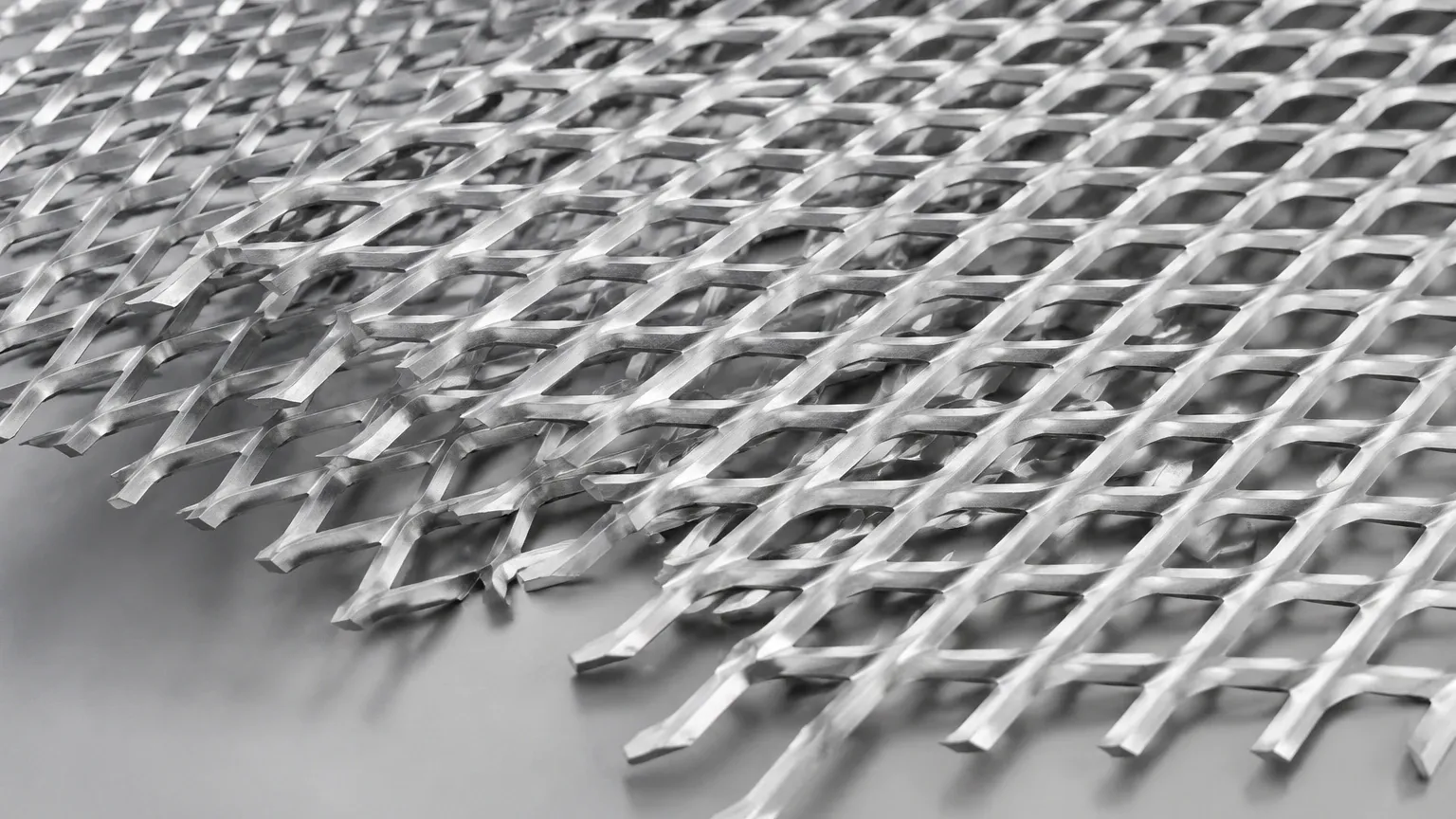
Aluminum expanded metal is a highly versatile industrial material produced through a precision process of slitting and stretching aluminum sheet or coil. This manufacturing method creates a continuous, jointless mesh characterized by diamond-shaped openings. Unlike perforated metal, which is produced by punching holes and generating scrap material, the expansion process involves no waste, making it an efficient and cost-effective solution within the broader category of Perforated & Expanded Metal.
For engineers and procurement professionals in the filtration and industrial processing sectors, understanding the technical nuances of aluminum expanded metal is essential. It serves as a critical component in air and liquid filtration systems, structural supports, and protective guards. Its unique combination of lightweight properties, corrosion resistance, and structural integrity makes it a preferred choice for demanding B2B applications.
The Manufacturing Process and Structural Integrity
The production of aluminum expanded metal begins with a solid sheet of aluminum. A machine equipped with specialized knives slits the metal while simultaneously stretching it. This mechanical expansion creates a pattern where the strands and bonds (the intersections of the strands) are set at a uniform angle to the plane of the sheet.
This geometry provides several mechanical advantages. Because the mesh is formed from a single piece of metal, there are no welds or joins that can break or corrode. The resulting structure offers an excellent strength-to-weight ratio. In industrial filtration, this structural rigidity is vital for supporting delicate filter media, such as fiberglass or synthetic membranes, against high-pressure flows without the risk of collapse.
Raised vs. Flattened Expanded Metal
When specifying aluminum expanded metal, engineers must choose between two primary forms:
1. Standard (Raised) Expanded Metal: This is the product as it comes off the expansion machine. The strands and bonds are set at a sharp angle, creating a three-dimensional surface. This form provides maximum rigidity and is often used in applications requiring high slip resistance or specialized airflow turbulence.
2. Flattened Expanded Metal: The raised mesh is passed through a cold-rolling reducing mill. This process flattens the strands and bonds into the same plane as the original sheet. Flattened aluminum expanded metal is thinner, smoother, and easier to integrate into filter cartridges or frames where space is a constraint.
Material Properties and Alloy Selection
Aluminum is chosen for expanded metal applications primarily due to its physical and chemical properties. It is approximately one-third the weight of steel or stainless steel, which simplifies handling and reduces the total weight of filtration equipment. Furthermore, aluminum naturally forms a protective oxide layer, providing inherent resistance to atmospheric corrosion.
In industrial environments, the choice of alloy is critical:
* Alloy 3003: This is the most common alloy for expanded metal. It is alloyed with manganese, providing excellent workability and good corrosion resistance. It is frequently used in HVAC filters and general industrial guards.
* Alloy 5052: Containing magnesium, this alloy offers higher strength and superior resistance to salt water and marine environments. It is the preferred choice for offshore filtration systems or chemical processing plants where exposure to corrosive elements is a concern.
* Alloy 1100: This is commercially pure aluminum. While it has lower strength than the 3000 or 5000 series, it offers the highest thermal and electrical conductivity, making it ideal for specialized EMI/RFI shielding or heat exchange components.
Technical Specifications for Engineering Design
To ensure the performance of Perforated & Expanded Metal in a specific application, engineers must define several key parameters:
* LWD (Long Way of Diamond): The distance from the center of one bond to the center of the next bond across the long axis of the diamond.
* SWD (Short Way of Diamond): The distance from the center of one bond to the center of the next bond across the short axis.
* LWO (Long Way of Opening): The internal width of the diamond opening.
* SWO (Short Way of Opening): The internal height of the diamond opening.
* Strand Width: The amount of metal fed into the machine between slits.
* Strand Thickness: The thickness of the original aluminum sheet.
Calculating Open Area
In filtration, the "open area" percentage determines the flow rate and pressure drop across the filter. A higher open area allows for more fluid or air to pass through but provides less structural support for the filter media. Conversely, a lower open area increases the structural strength but may lead to higher resistance. The open area for aluminum expanded metal is calculated based on the relationship between the strand width and the SWD. Precision in these measurements is required to meet the performance expectations of industrial hydraulic and air intake systems.
Applications in Industrial Filtration and Support
Aluminum expanded metal is a staple in the filtration industry due to its adaptability. Its primary roles include:
1. Filter Media Support
In pleated air filters or liquid filter cartridges, the expanded metal acts as a "spacer" or support grid. It keeps the pleats separated and prevents the media from deforming under the pressure of the fluid stream. Its lightweight nature ensures that the overall filter assembly remains manageable for replacement cycles.
2. Pre-Filtration and Debris Guarding
Coarser grades of aluminum expanded metal are used as pre-filters to capture large particulates before they reach more expensive, high-efficiency secondary filters. They also serve as protective cages for stainless steel filter cartridges, shielding them from mechanical damage during installation or operation.
3. Acoustic and Thermal Management
In industrial machinery, expanded metal is often used in silencers and heat shields. The diamond pattern can break up sound waves or facilitate heat dissipation while maintaining airflow. Aluminum’s high thermal conductivity is particularly advantageous here.
4. EMI/RFI Shielding
Because aluminum is highly conductive, expanded metal mesh is used in electronic enclosures to block electromagnetic interference. The continuous nature of the expanded mesh ensures a reliable conductive path, which is superior to woven meshes that may have contact resistance at the wire intersections.
Selection Criteria and Purchasing Considerations
When sourcing aluminum expanded metal for B2B projects, technical teams should evaluate the following factors to ensure long-term reliability and cost-efficiency:
Compatibility and Environment
Confirm that the aluminum alloy is compatible with the chemical composition of the fluid or gas being filtered. While aluminum is resistant to many substances, it can be susceptible to high-pH (alkaline) environments. In such cases, specialized coatings or a move to stainless steel components may be necessary.
Dimensional Tolerances
Industrial applications often require tight tolerances for integration into automated assembly lines. Specify the required precision for sheet size, flatness, and diamond uniformity. Standard commercial tolerances may not be sufficient for high-precision filtration components.
Surface Treatments
Depending on the application, aluminum expanded metal can be supplied with various finishes:
* Mill Finish: The natural state of the aluminum after expansion.
* Anodizing: Increases corrosion resistance and surface hardness.
* Powder Coating: Provides color coding for different filter grades and additional chemical protection.
* Degreasing: Essential for oxygen service or high-purity pharmaceutical applications to remove residual lubricants from the manufacturing process.
Total Cost of Ownership
While aluminum expanded metal may have a higher initial material cost than some plastics, its durability, recyclability, and ability to be cleaned and reused often result in a lower total cost of ownership. For engineers, the ability to specify a material that maintains its structural integrity over thousands of cycles is a key factor in reducing maintenance downtime.
Customization and OEM Integration
At Kaifil, we recognize that standard off-the-shelf solutions rarely meet the specific needs of complex industrial systems. Customization is often required in terms of mesh geometry, sheet dimensions, and material thickness. By working closely with a manufacturer that understands both the expansion process and the requirements of industrial filtration, purchasing teams can optimize their supply chain.
Whether the requirement is for a specific diamond size to match a proprietary filter media or a custom-cut shape for a hydraulic reservoir, aluminum expanded metal offers the flexibility needed for modern engineering. Its role within the Perforated & Expanded Metal portfolio remains indispensable for sectors ranging from food and beverage processing to aerospace ventilation.
Conclusion
Aluminum expanded metal is more than just a mesh; it is an engineered component designed for strength, efficiency, and versatility. By understanding the technical specifications—from alloy selection to diamond geometry—engineers can significantly improve the performance and lifespan of their filtration and industrial systems. As a reliable material for support, protection, and filtration, it continues to be a cornerstone of industrial design, providing a balance of lightweight performance and rugged durability.
