


Stainless Expanded Metal
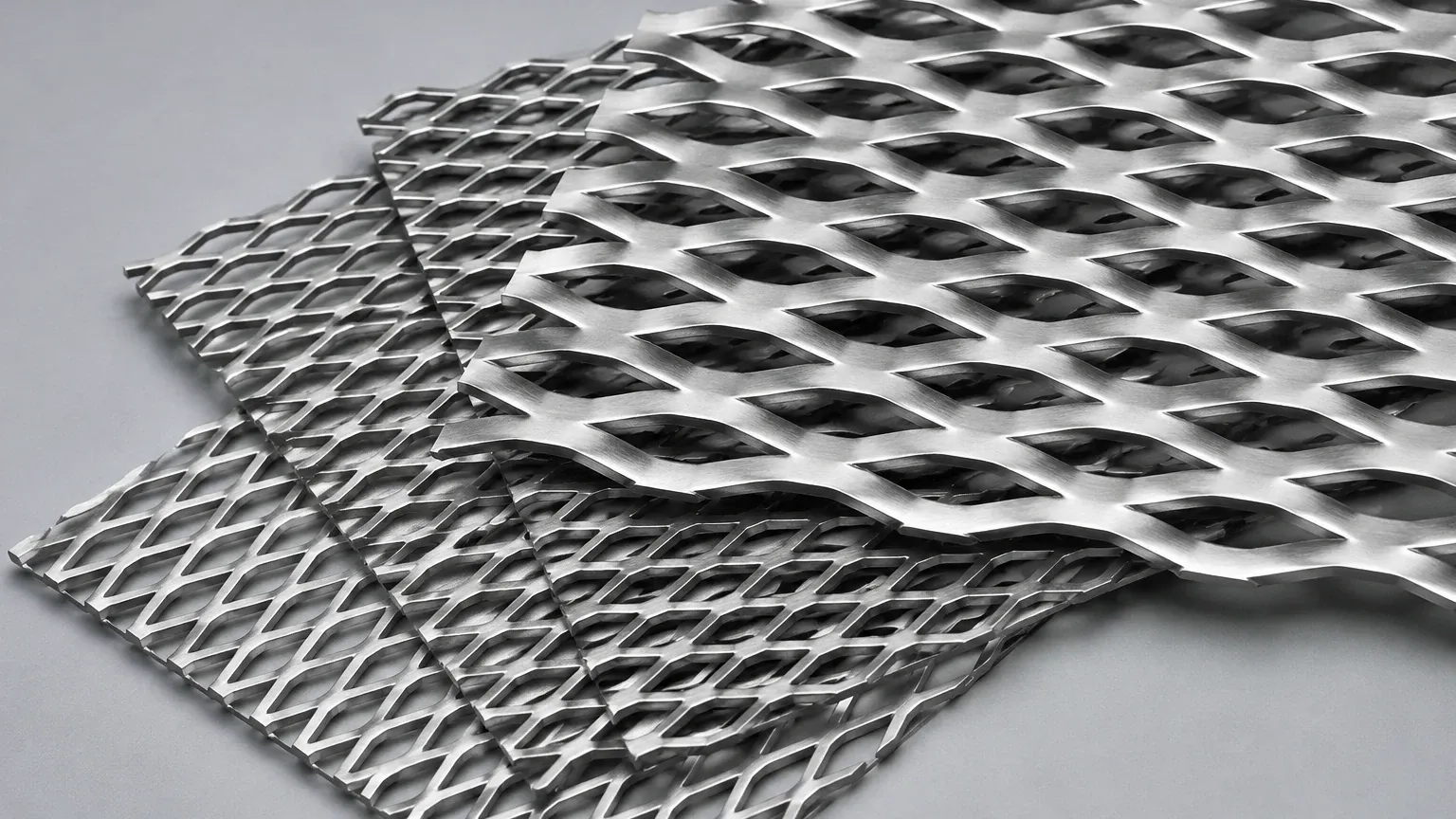
In industrial filtration and structural engineering, material selection is dictated by the balance between mechanical strength, chemical resistance, and flow efficiency. Stainless expanded metal represents a specialized category of processed metal that addresses these requirements through a unique manufacturing method. Unlike traditional perforated sheets, expanded metal is produced by simultaneously slitting and stretching the base material, creating a continuous mesh without the material waste associated with punching. For engineers and procurement teams, understanding the technical nuances of stainless expanded metal is essential for optimizing the performance of filtration systems, protective guards, and structural components.
At Kaifil, we recognize that the choice of filtration media support or housing material directly impacts the longevity and reliability of industrial equipment. This article provides a technical overview of stainless expanded metal, its manufacturing characteristics, and the critical factors that engineers must evaluate during the selection process.
The Manufacturing Process and Structural Integrity
The production of stainless expanded metal is a cold-forming process. A stainless steel sheet or coil is fed through an expanding machine equipped with a set of knives. These knives slit the metal at precise intervals while the machine stretches the material. This results in a diamond-shaped pattern of openings, where the "strands" and "bonds" (the intersections of the strands) form a single, integral piece of metal.
This process offers several engineering advantages:
1. Material Efficiency: Because the metal is stretched rather than punched, there is virtually no scrap or waste. This makes it a highly cost-effective alternative to Perforated & Expanded Metal options where high-value alloys are required.
2. Structural Strength: Since the mesh is made from a single piece of metal, there are no welds or joints that can fail under mechanical stress. The strands are set at an angle to the plane of the sheet, which provides inherent rigidity and a high strength-to-weight ratio.
3. Conductivity: The continuous nature of the material ensures excellent electrical and thermal conductivity, which is critical in certain chemical processing and shielding applications.
Standard vs. Flattened Stainless Expanded Metal
When specifying stainless expanded metal, engineers must choose between two primary forms: Standard (Raised) and Flattened. The choice depends heavily on the intended application within a filtration or industrial system.
Standard (Raised) Expanded Metal
In its standard form, the strands and bonds are set at a uniform angle to the plane of the sheet. This creates a three-dimensional surface that offers several functional benefits:
* Flow Turbulence: In certain filtration applications, the raised profile can introduce beneficial turbulence, preventing the rapid buildup of a filter cake on the primary media.
* Mechanical Grip: The textured surface provides excellent slip resistance and grip, making it suitable for walkways or internal support structures where components must remain seated.
* Deflection: The angled strands can act as a louver, deflecting light, heat, or debris while still allowing for high airflow.
Flattened Expanded Metal
Flattened expanded metal is produced by passing the standard expanded sheet through a cold-roll reducing mill. This process levels the strands and bonds into a single plane, resulting in a smooth, flat surface.
* Filtration Support: Flattened mesh is often preferred as a support layer for fine wire mesh or filter paper. The smooth surface prevents the delicate primary media from being punctured or abraded by raised edges.
* Dimensional Stability: Flattening increases the overall length of the sheet slightly and reduces the thickness to that of the original base metal, providing a predictable profile for tight-tolerance assemblies.
Material Grade Selection: 304 vs. 316L
The performance of stainless expanded metal in industrial environments is largely determined by the specific alloy used. While various grades are available, 304 and 316L are the industry standards for filtration and processing equipment.
Grade 304 Stainless Steel
Grade 304 is the most common stainless steel used for expanded metal. It offers excellent formability and good corrosion resistance against most oxidizing acids. It is widely used in food processing, beverage production, and general industrial applications where the environment is not excessively corrosive.
Grade 316L Stainless Steel
For more demanding environments, such as chemical processing, pharmaceutical manufacturing, or marine applications, Grade 316L is the preferred choice. The addition of molybdenum provides superior resistance to chlorides and pitting corrosion. The "L" designation (low carbon) is particularly important if the expanded metal is to be welded into a filter housing or frame, as it minimizes carbide precipitation and ensures the integrity of the corrosion resistance at the weld zones.
Technical Specifications and Calculations
To accurately specify stainless expanded metal for a project, engineers use a set of standardized measurements. Understanding these terms is vital for calculating flow rates and pressure drops across a filtration component.
* SWD (Short Way of Design): The distance from the center of one bond to the center of the next bond measured across the short diamond diagonal.
* LWD (Long Way of Design): The distance from the center of one bond to the center of the next bond measured across the long diamond diagonal.
* SWO (Short Way of Opening): The actual width of the opening from the inside of one bond to the inside of the next.
* LWO (Long Way of Opening): The actual length of the opening from the inside of one bond to the inside of the next.
* Strand Width: The amount of metal fed into the knives for each slit.
* Strand Thickness: The thickness of the original base metal.
Calculating Open Area
The percentage of open area is a critical metric for filtration engineers. It determines the velocity of the fluid passing through the mesh and the potential for pressure drop. Unlike perforated metal, where open area is easily calculated based on hole diameter and pitch, expanded metal calculations must account for the strand angle and width. Providing these specifications to the manufacturer ensures that the final product meets the hydraulic requirements of the system.
Applications in Industrial Filtration
Stainless expanded metal serves several critical roles within industrial filtration systems, ranging from primary coarse filtration to secondary support.
1. Support Cores and Cages
In high-pressure hydraulic and liquid filtration, fine wire mesh or synthetic media lacks the structural integrity to withstand differential pressure. Stainless expanded metal is rolled into cylinders to act as an internal support core or an external protective cage. Its high strength prevents the collapse or bursting of the filter element during surges or when the media becomes loaded with contaminants.
2. Pre-Filtration and Intake Screens
For water treatment and heavy industrial intakes, expanded metal acts as a robust pre-filter. It captures large debris—such as stones, vegetation, or plastic—before it can reach more sensitive downstream equipment like pumps or fine membrane filters.
3. Flame and Spark Arrestors
The thermal conductivity of stainless steel combined with the high surface area of the expanded pattern makes it an effective material for flame and spark arrestors in exhaust systems and chemical vent lines. The mesh dissipates heat rapidly, preventing the passage of flames through the barrier.
4. Catalyst Support
In chemical reactors, stainless expanded metal provides a stable, high-surface-area platform for catalyst beds. The diamond pattern allows for even distribution of gas or liquid flow across the catalyst, optimizing the reaction efficiency.
Engineering Considerations for Customization
When sourcing stainless expanded metal, off-the-shelf solutions may not always meet the specific demands of a complex engineering project. Customization is often necessary to ensure compatibility with existing hardware and performance targets.
Edge Conditions
Engineers must specify how the edges of the expanded metal should be finished. "Random cut" edges result in open diamonds and sharp points, which may be acceptable if the piece is being welded into a frame. "Bonded" or "closed" edges provide a smoother perimeter, which is safer for handling and may be required for certain sliding or removable filter inserts.
Surface Finishes and Cleaning
In the pharmaceutical and food industries, the surface finish of the stainless expanded metal is paramount. Standard mill finishes may harbor microscopic contaminants in the crevices of the strands. Secondary processes such as electropolishing or passivation are often required to remove surface impurities, improve corrosion resistance, and ensure the material meets sanitary standards.
Tolerances and Flatness
While expanded metal is a versatile material, the stretching process can introduce internal stresses. For precision filtration assemblies, specifying tight tolerances on flatness and camber is essential. This ensures that the expanded metal sits flush against other components, preventing bypass—a common failure mode in industrial filtration where fluid takes the path of least resistance around the filter media.
Total Cost of Ownership and Durability
When evaluating the cost of stainless expanded metal, it is important to look beyond the initial purchase price and consider the total cost of ownership (TCO). Stainless steel's durability and resistance to environmental degradation mean that components made from this material often have a significantly longer service life than those made from carbon steel or plastics.
Furthermore, the ability to clean and reuse stainless steel filter components reduces the long-term costs associated with replacement parts and waste disposal. In high-temperature or high-pressure environments, the mechanical stability of expanded metal ensures that the system operates within its design parameters for longer intervals, reducing unplanned downtime.
Conclusion
Stainless expanded metal is a fundamental component in the design of efficient and durable industrial filtration systems. Its unique combination of material efficiency, structural strength, and customizable geometry makes it an ideal choice for engineers facing challenging processing environments. Whether used as a support structure for fine media or as a standalone filtration barrier, selecting the correct grade, pattern, and finish is vital for system performance.
For technical professionals and purchasing teams, partnering with a manufacturer that understands the complexities of metal expansion and industrial application is the key to a successful project. By confirming technical specifications like SWD, LWD, and material grade early in the design phase, engineers can ensure that their filtration solutions deliver reliable, long-term results.
To explore specific configurations and technical data for your next project, Review product options and application support to find the optimal solution for your industrial requirements.
