


Expanded Metal Gutter Guard
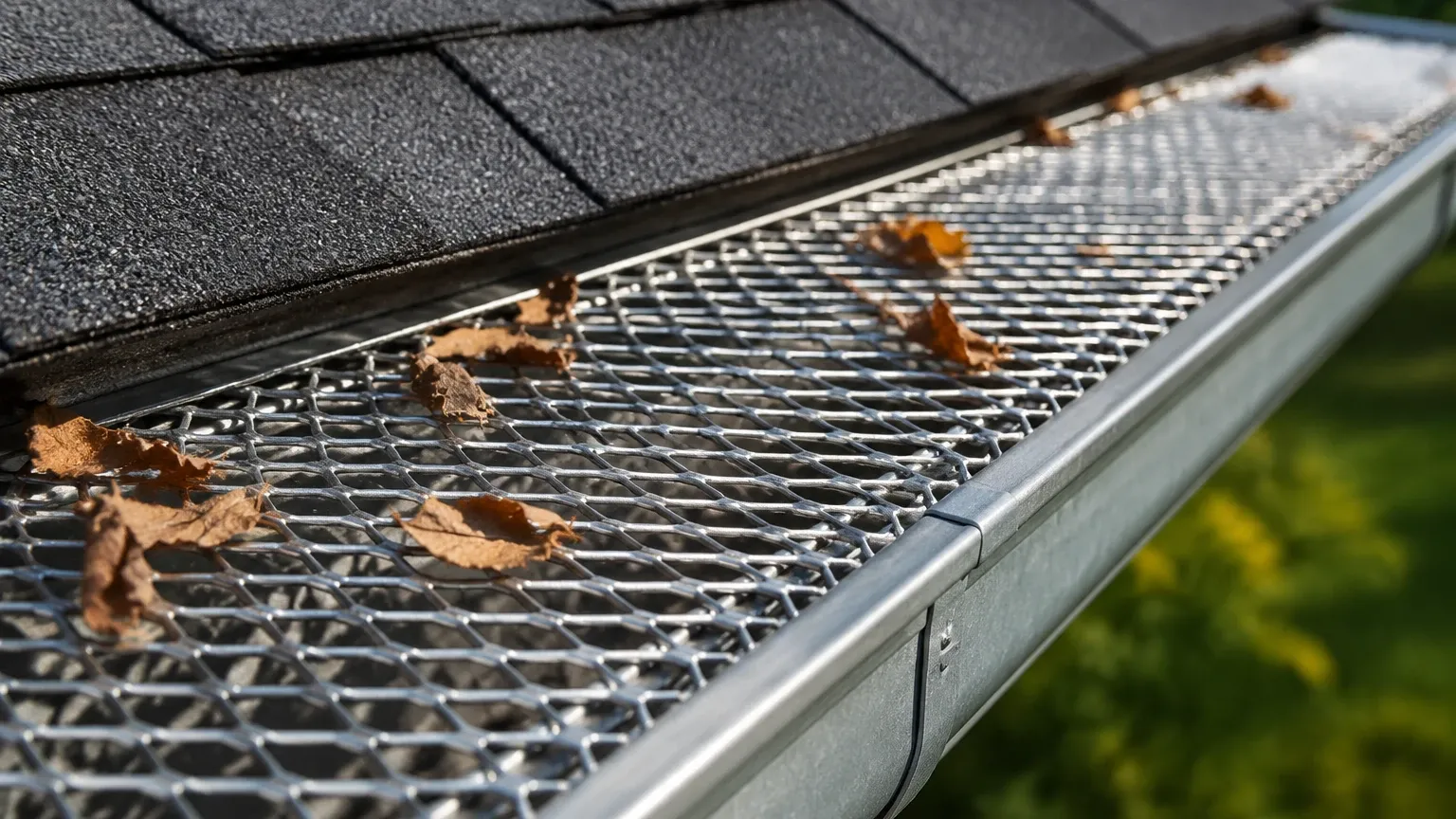
In industrial facility management and commercial construction, effective rainwater management is a critical component of structural preservation. Gutters and downspouts are designed to divert water away from foundations, but their efficiency is frequently compromised by the accumulation of organic debris, sediment, and environmental waste. An expanded metal gutter guard serves as a robust, high-performance solution to this challenge, providing a physical barrier that maintains hydraulic flow while preventing blockages. Unlike residential-grade plastic alternatives, industrial-grade expanded metal solutions offer the durability and structural integrity required for demanding environments.
Selecting the appropriate gutter protection system requires a technical understanding of material science, hydraulic capacity, and mechanical design. For engineers and purchasing teams, the choice of an expanded metal configuration influences not only the immediate filtration efficiency but also the long-term maintenance cycles and total cost of ownership for the facility.
The Engineering Behind Expanded Metal Filtration
Expanded metal is a unique material produced through a process of simultaneous slitting and stretching. Unlike perforated metal, which involves punching holes and generating scrap material, the expansion process creates a continuous mesh from a single sheet of metal without any waste. This manufacturing method results in a diamond-shaped pattern where the "strands" and "bonds" are set at a uniform angle to the plane of the sheet.
In the context of a gutter guard, this angular orientation is highly functional. The raised edges of the diamond mesh can be engineered to disrupt the surface tension of flowing water, effectively "driving" the water into the gutter while the physical barrier of the mesh deflects leaves, twigs, and larger debris. When evaluating Perforated & Expanded Metal for drainage applications, engineers must consider the Short Way of Design (SWD) and Long Way of Design (LWD) dimensions, as these determine the aperture size and the overall filtration capability of the guard.
Material Selection for Industrial Environments
The performance of an expanded metal gutter guard is fundamentally tied to its material composition. Industrial facilities often face corrosive atmospheres, extreme temperature fluctuations, and high UV exposure, all of which can degrade inferior materials.
Stainless Steel (Grade 304 and 316)
Stainless steel is the gold standard for industrial filtration and protection. Grade 304 offers excellent corrosion resistance for most standard environments, while Grade 316, containing molybdenum, is preferred for coastal areas or facilities exposed to chemical vapors. Stainless steel expanded metal provides the highest tensile strength, ensuring the gutter guard does not sag or collapse under the weight of wet debris or heavy snow loads.
Aluminum Alloys
Aluminum is a common choice for commercial applications where weight is a primary concern. It is naturally resistant to atmospheric corrosion due to the formation of a protective oxide layer. While aluminum has a lower tensile strength than stainless steel, it is more malleable, making it easier to form into custom gutter profiles. However, in high-load environments, the thickness of the aluminum strands must be increased to compensate for the lower structural rigidity compared to steel.
Galvanized and Coated Steels
Carbon steel that has been hot-dip galvanized or powder-coated offers a cost-effective middle ground. Galvanization provides sacrificial protection against rust, though the lifespan is generally shorter than that of stainless steel in high-moisture environments. Powder coating can add an extra layer of protection and allow the gutter guard to blend with the building's aesthetic, which is often a requirement for commercial office complexes.
Hydraulic Capacity and Open Area Calculations
A common engineering concern when installing gutter guards is whether the mesh will restrict water flow during high-intensity rainfall events. If the "open area" of the expanded metal is too low, water may "sheet" over the top of the guard and bypass the gutter entirely, leading to ground erosion and foundation damage.
Calculating the open area of an expanded metal gutter guard involves analyzing the relationship between the strand width and the diamond opening. A higher percentage of open area allows for greater hydraulic throughput but may permit smaller debris, such as pine needles or fine granules, to enter the system.
For industrial applications, a balance must be struck. Typically, an open area of 40% to 60% is sufficient to handle standard rainfall intensities (up to 4-6 inches per hour) while still providing effective filtration. Engineers must also account for the "sieve effect," where water surface tension causes liquid to cling to the metal strands. Specialized coatings or specific strand angles can be utilized to minimize this effect and maximize water intake.
Structural Integrity and Load-Bearing Requirements
Industrial gutters are often larger and longer than residential systems, meaning the gutter guards must span greater distances without intermediate support. The structural integrity of expanded metal is one of its primary advantages. Because the mesh is made from a single piece of metal, it possesses inherent rigidity that woven wire mesh lacks.
In regions prone to cold weather, gutter guards must withstand significant snow loads and the formation of ice dams. A flimsy guard will buckle under the weight of ice, potentially damaging the gutter or the building's fascia. Expanded metal, particularly when manufactured from heavy-gauge stainless steel, provides the necessary resistance to physical deformation. Furthermore, the heat-conductive properties of metal can assist in the melting of ice when exposed to sunlight, helping to clear the drainage path faster than plastic alternatives.
Customization and OEM Integration
Every industrial facility has unique architectural requirements. Standard off-the-shelf gutter guards rarely meet the specific needs of large-scale manufacturing plants, warehouses, or specialized processing facilities. This is where the capability for customization becomes essential.
At Kaifil, we understand that filtration components must be tailored to the application. Customization options for expanded metal gutter guards include:
* Custom Dimensions: Matching the width and length of the guard to non-standard industrial gutter profiles.
* Aperture Optimization: Adjusting the SWD and LWD to target specific types of environmental debris common to the facility's location.
* Edge Treatments: Providing hemmed edges or specialized mounting flanges to ensure safe handling and secure mechanical fastening.
* Material Thickness: Increasing the gauge of the base metal for high-impact zones or areas with extreme wind uplift.
By working with an OEM manufacturer, purchasing teams can ensure that the gutter guards are integrated seamlessly into the building's water management system, reducing the need for field modifications and ensuring a precise fit.
Installation and Mechanical Fastening
The method of installation is as important as the material itself. In industrial settings, "snap-in" solutions are often insufficient due to high winds and the vibration of nearby machinery. Mechanical fastening—using self-tapping screws or specialized clips—is the recommended approach for securing expanded metal guards.
Engineers should specify the use of compatible fasteners to prevent galvanic corrosion. For example, stainless steel guards should be secured with stainless steel fasteners. If an aluminum guard is installed on a steel gutter, a dielectric barrier or specialized coating may be necessary to prevent the two metals from reacting. Proper installation also accounts for thermal expansion and contraction; metal guards will expand in the heat, so the fastening system must allow for slight longitudinal movement to prevent warping.
Maintenance Cycles and Total Cost of Ownership
While the primary goal of an expanded metal gutter guard is to reduce maintenance, no system is entirely maintenance-free. Fine dust, pollen, and microscopic debris will eventually accumulate. However, the use of expanded metal significantly extends the interval between cleanings.
When evaluating the total cost of ownership (TCO), facility managers should compare the initial capital expenditure of high-quality metal guards against the recurring operational costs of manual gutter cleaning. Manual cleaning involves labor costs, safety risks (working at heights), and the potential for damage to the gutter system during the cleaning process. A durable stainless steel expanded metal system may have a higher upfront cost but often pays for itself within three to five years through reduced labor and the prevention of water-related structural repairs.
Conclusion: Selecting the Right Filtration Solution
Choosing the right gutter protection is an engineering decision that impacts the longevity and safety of an industrial facility. Expanded metal offers a superior combination of strength, hydraulic efficiency, and durability compared to other materials. By focusing on material grade, open area percentages, and structural requirements, engineers can specify a solution that ensures reliable performance for decades.
For those seeking high-precision filtration components and customized metal solutions, exploring the technical specifications of Perforated & Expanded Metal is the first step toward optimizing facility drainage. Whether the requirement is for standard commercial protection or a specialized OEM component for a complex industrial application, the focus must remain on quality manufacturing and application-specific design to achieve the best results.
