


Expanded Metal Grate Home Depot
When engineers and procurement professionals search for an expanded metal grate home depot provides, they are often looking for immediate, off-the-shelf solutions for small-scale repairs or basic structural needs. However, in industrial environments—ranging from chemical processing plants to high-volume food production facilities—the requirements for material integrity, load-bearing capacity, and corrosion resistance often exceed the specifications of retail-grade products.
Understanding the distinction between consumer-grade expanded metal and industrial-engineered Perforated & Expanded Metal is critical for ensuring the safety and longevity of a facility. This article explores the technical nuances of expanded metal grates, the engineering considerations for selection, and why custom manufacturing is often the preferred route for B2B applications.
Understanding the Role of Expanded Metal Grates in Industrial Applications
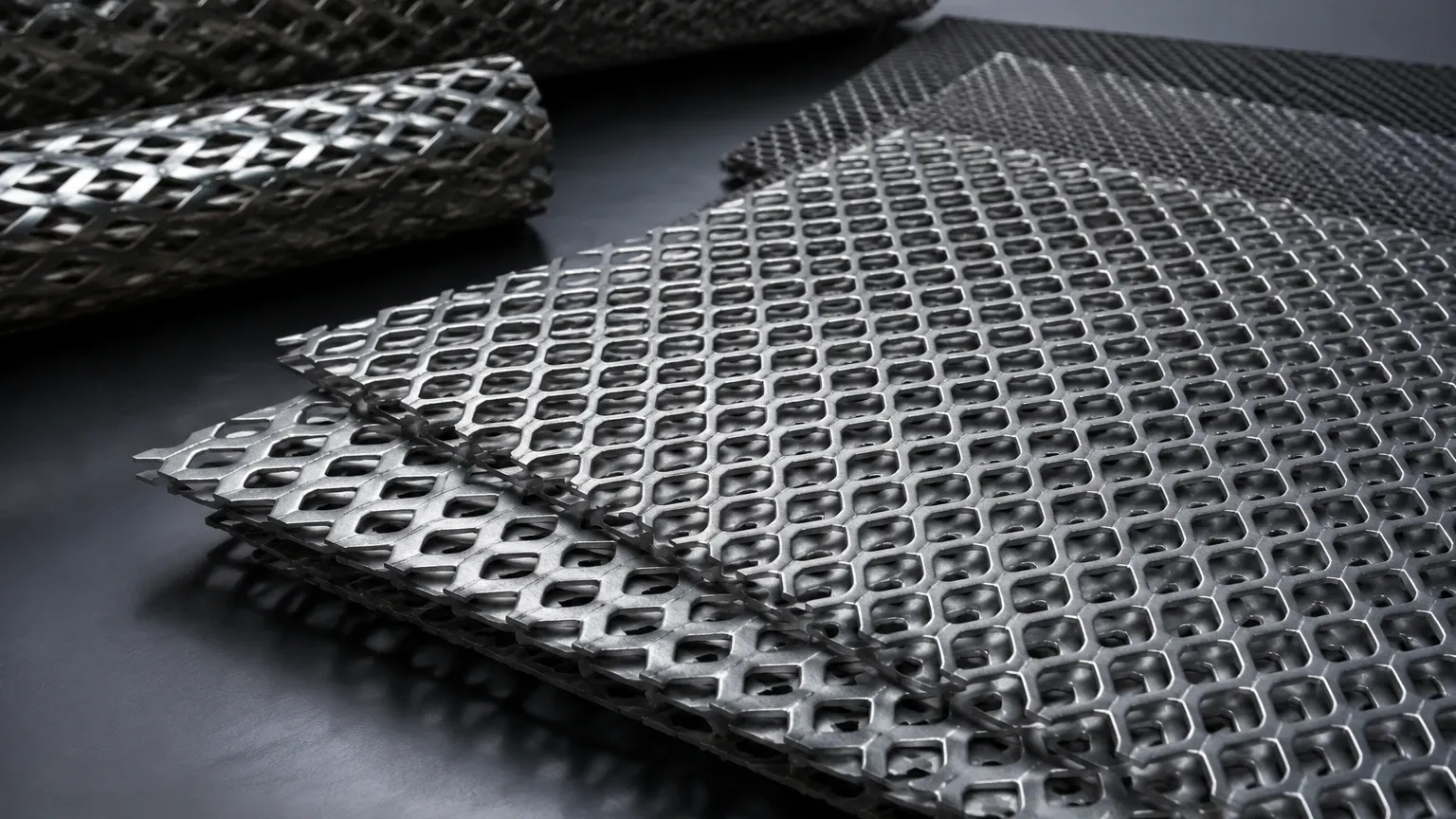
Expanded metal is a unique material produced by simultaneously slitting and stretching a solid sheet of metal. This process creates a diamond-shaped pattern of openings, which are integral to the sheet rather than joined by welds or weaves. This structural continuity is one of the primary reasons expanded metal is favored for heavy-duty grating.
In an industrial context, an expanded metal grate serves several functions. It provides a high strength-to-weight ratio, making it an excellent choice for walkways, stair treads, and safety guards. Unlike solid plate, the open area allows for the passage of light, air, and fluids, which is essential for drainage and ventilation. For filtration experts like Kaifil, expanded metal also serves as a robust support structure for finer wire mesh layers in complex filtration assemblies.
Evaluating Retail Options vs. Industrial Customization
The search for an expanded metal grate home depot stocks usually leads to standard sizes—typically small sheets of carbon steel or aluminum with limited gauge options. While these are suitable for residential fencing or light DIY projects, industrial procurement requires a deeper level of technical scrutiny.
Material Composition
Retail outlets primarily stock low-carbon steel (often referred to as "mild steel") or basic aluminum. In contrast, industrial applications frequently demand 304 or 316L stainless steel to withstand corrosive chemicals or high-temperature environments. Stainless steel expanded metal offers superior oxidation resistance and maintains structural integrity in harsh conditions where mild steel would fail within months.
Precision and Tolerances
Industrial projects often require precise dimensions to fit into existing machinery or structural frames. Retail products are cut to general sizes with wider tolerances. Custom manufacturing allows for exact sheet dimensions, specific diamond sizes, and edge treatments (such as U-edging) that facilitate easier installation and improved safety.
Load-Bearing Capacity
Grating used for industrial flooring must adhere to strict deflection limits and load-bearing standards. While a retail grate might support a single person, industrial-grade expanded metal is engineered to handle concentrated loads, heavy equipment, and constant foot traffic without permanent deformation.
Technical Specifications: LWD, SWD, and Strand Geometry
When specifying expanded metal for a project, engineers must look beyond the overall dimensions of the sheet. The performance of the grate is determined by the geometry of the diamond openings and the thickness of the strands.
1. Long Way of Diamond (LWD): This is the distance from the center of a joint to the center of the next joint across the long axis of the diamond.
2. Short Way of Diamond (SWD): This is the distance across the short axis of the diamond.
3. Strand Width and Thickness: These dimensions determine the actual amount of metal in the grate. A thicker strand increases the weight and the load capacity but reduces the open area percentage.
4. Raised vs. Flattened: "Raised" expanded metal has strands that are turned at an angle to the plane of the sheet, providing a natural anti-slip surface. "Flattened" expanded metal is passed through a cold-rolling mill, resulting in a smooth, flat surface that is easier to clean but offers less traction.
For filtration support, the SWD and LWD must be carefully calculated to provide maximum support to the filter media while minimizing the pressure drop across the system.
Material Selection: Why Stainless Steel Outperforms Carbon Steel
While the expanded metal grate home depot offers is often galvanized or plain steel, industrial sectors like pharmaceutical and food processing almost exclusively utilize stainless steel. The choice of material is not merely about aesthetics; it is about chemical compatibility and hygiene.
* Corrosion Resistance: In chemical processing, exposure to acids or alkalis will quickly degrade carbon steel. Stainless steel 316L, containing molybdenum, provides excellent resistance to pitting and crevice corrosion in chloride environments.
* Sanitation: In the food and beverage industry, surfaces must be non-porous and easy to sanitize. Stainless steel expanded metal can withstand high-pressure washdowns and aggressive cleaning agents without rusting or harboring bacteria.
* Temperature Stability: Industrial processes often involve extreme heat. Stainless steel retains its mechanical properties at temperatures where other metals might become brittle or lose their tensile strength.
Load-Bearing and Safety Standards for Industrial Grating
Safety is the paramount concern when selecting grating for walkways or platforms. Unlike the general-purpose products found at a hardware store, industrial expanded metal grates must be evaluated based on their "grating" designation.
Heavy-duty expanded metal grating is specifically designed to be used as a structural flooring material. The strands are typically thicker and the diamonds are larger than those found in decorative or security-grade expanded metal. When selecting a product, engineers should request load tables that specify the maximum span for a given load (usually expressed in pounds per square foot) and the resulting deflection.
Furthermore, the "raised" profile of expanded metal is a significant safety feature. The angular strands provide multi-directional slip resistance, which is vital in environments where oil, water, or lubricants may be present on the floor. For specialized applications, additional serrations can be added to the strands to enhance grip further.
The Importance of Custom Fabrication in Filtration Systems
As a manufacturer specializing in custom stainless steel filtration solutions, Kaifil utilizes Perforated & Expanded Metal as a core component in many filter designs. In these applications, the expanded metal is not just a walkway; it is a precision-engineered support cage.
In high-pressure hydraulic or water treatment systems, the filter mesh is often too delicate to withstand the force of the fluid flow on its own. An expanded metal cylinder or sheet provides the necessary rigid structure to prevent the mesh from collapsing or tearing.
Customization in this area is essential because:
* Open Area Optimization: The ratio of open area must be maximized to ensure high flow rates and low pressure drops, while still providing enough surface area to support the mesh.
* Cylindrical Forming: Unlike standard flat sheets, filtration components often require the metal to be rolled into precise cylinders and seam-welded. This requires specialized equipment to ensure the diamond pattern remains consistent and the weld is as strong as the parent material.
* Material Purity: For pharmaceutical or laboratory applications, the expanded metal must be free of lubricants, oils, or burrs that could contaminate the process fluid.
Total Cost of Ownership vs. Initial Purchase Price
It is tempting to opt for the lower price point of an expanded metal grate home depot provides, especially for non-critical applications. However, the total cost of ownership (TCO) often favors the higher-quality, custom-manufactured industrial product.
1. Longevity: A stainless steel grate may cost more upfront than a galvanized steel grate, but if it lasts ten times longer in a corrosive environment, the cost per year of service is significantly lower.
2. Installation Labor: Custom-cut sheets that arrive ready to install save hours of on-site labor, cutting, and welding. In industrial settings, labor costs often outweigh material costs.
3. Maintenance and Downtime: Replacing a failed grate in a high-traffic area or inside a piece of machinery causes operational downtime. Choosing a product engineered for the specific load and environment minimizes the risk of unexpected failure.
Conclusion: Making an Informed Selection
While retail stores serve a valuable purpose for the general public, the procurement of expanded metal for industrial use requires a technical partnership with a manufacturer. When evaluating your options, consider the specific environmental stressors, the required load capacity, and the necessity for precision dimensions.
For engineers and purchasing teams, the next step should involve a thorough review of material data sheets and a discussion with a technical representative who understands the nuances of industrial filtration and structural metalwork. By moving beyond retail-grade solutions, you ensure that your facility operates with the highest standards of safety, efficiency, and durability.
