


Expanded Metal in Uganda
In the rapidly evolving industrial landscape of East Africa, the demand for high-performance materials has seen a significant shift toward specialized metal products. For engineers and procurement specialists sourcing expanded metal in Uganda, understanding the technical nuances of these materials is essential for ensuring the longevity and efficiency of industrial systems. Expanded metal, characterized by its unique diamond-shaped openings formed through a process of slitting and stretching, offers a combination of structural integrity and permeability that is difficult to replicate with other materials.
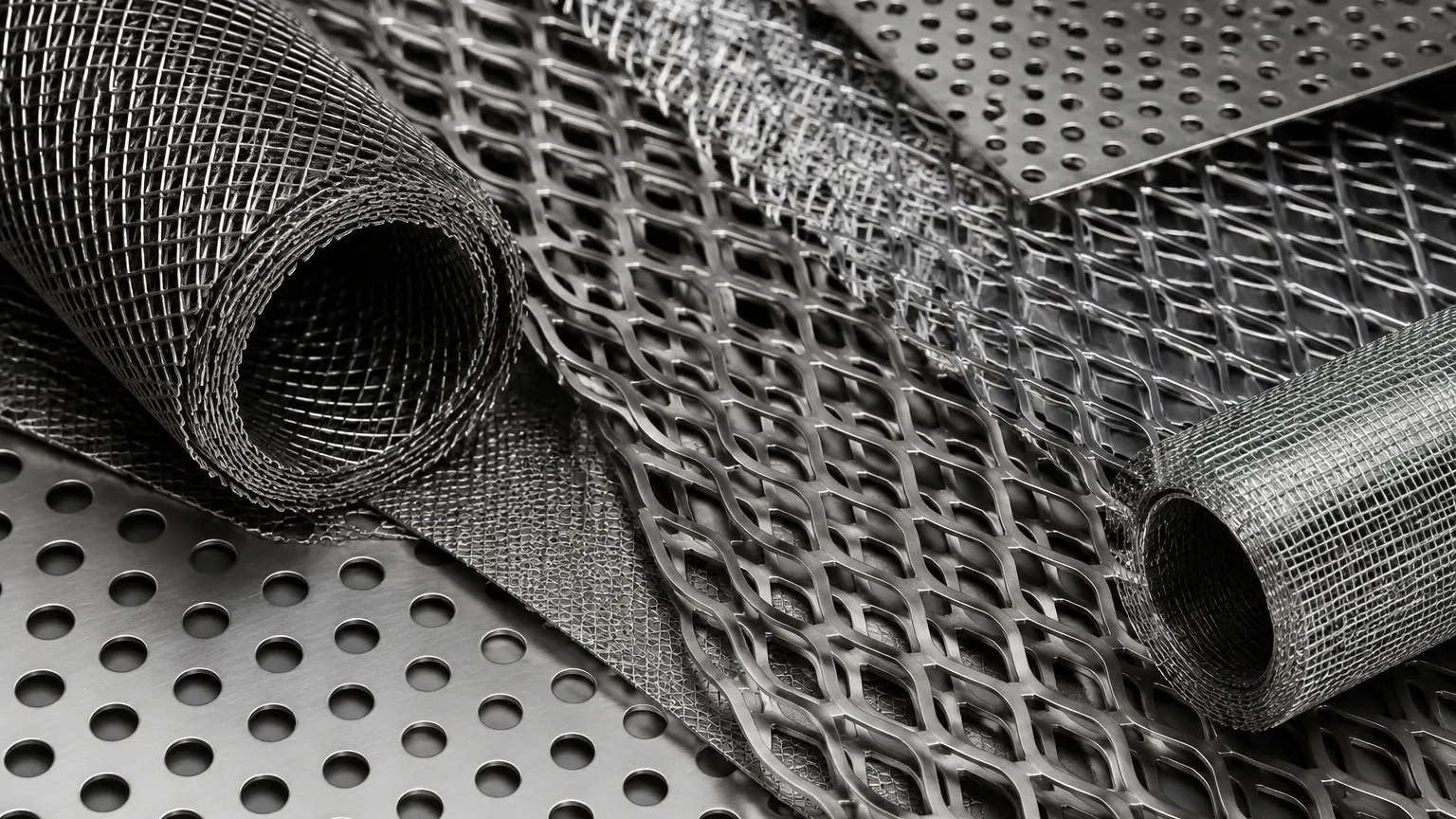
As Uganda continues to expand its manufacturing, mining, and agricultural processing sectors, the application of Perforated & Expanded Metal has become a cornerstone for filtration, security, and structural reinforcement. This article provides a technical overview of expanded metal specifications, its industrial applications within the Ugandan context, and the critical factors to consider when selecting a manufacturer for custom filtration and structural components.
Understanding the Technical Foundations of Expanded Metal
Expanded metal is produced from a single sheet of metal—typically stainless steel, carbon steel, or aluminum—that is simultaneously slit and cold-stretched. This process creates a seamless mesh without joins or welds, which is a primary advantage over woven wire mesh or welded wire products. Because the material is not cut and then rejoined, it retains the inherent strength of the original metal sheet while significantly increasing its surface area.
Key Geometric Parameters
When evaluating expanded metal for technical applications, engineers must define several critical dimensions:
* Long Way of Diamond (LWD): The distance from the center of a joint to the center of the next joint across the long axis of the diamond.
* Short Way of Diamond (SWD): The distance across the short axis of the diamond.
* Strand Width: The amount of metal fed into the machine for each expansion step.
* Strand Thickness: The original thickness of the base metal sheet.
* Overall Thickness: The actual thickness of the finished mesh, which is often greater than the strand thickness due to the angle of the strands.
For industrial filtration and separation, the "open area" percentage is the most critical metric. This determines the flow rate and pressure drop across the medium. In Uganda’s food processing and chemical industries, precise control over these dimensions is necessary to meet specific throughput requirements.
Key Industrial Applications for Expanded Metal in Uganda
The versatility of expanded metal allows it to serve multiple roles across diverse sectors in Uganda. Its high strength-to-weight ratio makes it particularly valuable where material efficiency is required without compromising safety.
1. Agricultural and Food Processing
Uganda’s economy is heavily reliant on agriculture, particularly coffee, tea, and sugar production. Expanded metal is widely used in drying trays, sorting screens, and filtration systems for juice extraction. Stainless steel expanded metal (Grades 304 and 316) is preferred here due to its food-grade properties and resistance to organic acids. The smooth, "flattened" variety of expanded metal is often used to prevent damage to delicate agricultural products during processing.
2. Mining and Mineral Extraction
With the growth of the mining sector in regions like Karamoja and southwestern Uganda, expanded metal is increasingly utilized for heavy-duty screening, walkway grating, and protective enclosures for machinery. In these environments, the material must withstand abrasive forces and high mechanical stress. Raised (standard) expanded metal provides excellent anti-slip properties, making it an ideal choice for industrial platforms and stair treads in processing plants.
3. Industrial Filtration and Water Treatment
In water treatment facilities and chemical processing plants, expanded metal serves as a support structure for finer filter media or as a primary coarse filter. Its ability to maintain its shape under high pressure makes it superior to woven mesh in high-flow applications. For specialized filtration needs, manufacturers like Kaifil provide precision-engineered components that integrate expanded metal into multi-layer filter cartridges, ensuring both durability and high filtration accuracy.
Comparing Perforated & Expanded Metal for Industrial Use
Choosing between perforated metal and expanded metal is a common challenge for engineers. While both provide openings for flow and visibility, their manufacturing processes and physical properties differ significantly.
* Material Efficiency: Expanded metal is produced without waste, as the slitting and stretching process uses the entire sheet. Perforated metal, conversely, involves punching holes, which can result in up to 40% material loss (scrap). This often makes expanded metal a more cost-effective solution for large-scale projects in Uganda.
* Structural Integrity: Because expanded metal is a single piece of material, it distributes loads more evenly than perforated metal. If a single strand is cut, the surrounding diamonds can often maintain the structural shape, whereas perforated sheets may buckle more easily under concentrated stress.
* Filtration Characteristics: Perforated metal offers more precise hole shapes (round, square, slotted) and is often easier to clean in sanitary applications. However, expanded metal provides a three-dimensional surface that can capture particles more effectively in certain gas or liquid filtration scenarios.
For most Ugandan industrial applications, the choice depends on the specific balance required between precision (perforated) and strength-to-weight efficiency (expanded).
Engineering Considerations: Material Selection and Durability
The environmental conditions in Uganda—ranging from high humidity in the Lake Victoria basin to the abrasive dust of mining sites—necessitate careful material selection. Selecting the wrong alloy can lead to premature failure and increased total cost of ownership.
Stainless Steel (304 and 316)
For most B2B applications, stainless steel is the gold standard. Grade 304 offers excellent corrosion resistance for general industrial use. However, for applications involving saline environments or harsh chemicals, Grade 316 is recommended due to the addition of molybdenum, which enhances resistance to pitting and crevice corrosion.
Galvanized Steel
In construction and outdoor security applications where cost is a primary driver, hot-dipped galvanized expanded metal is a viable alternative. The zinc coating provides a sacrificial layer that protects the underlying steel from oxidation, which is particularly useful for fencing and ventilation grilles in urban infrastructure projects in Kampala.
Load-Bearing Capacity
Engineers must calculate the deflection and load-bearing requirements of the mesh, especially when used for walkways or heavy-duty guards. The orientation of the diamonds (LWD vs. SWD) significantly affects the stiffness of the panel. Generally, the LWD should run parallel to the span for maximum strength.
Procurement and Quality Assurance for Ugandan Projects
Sourcing high-quality expanded metal in Uganda requires a focus on technical verification. Low-quality imports often suffer from inconsistent strand thickness, uneven expansion, or poor-quality coatings that flake off under stress. When engaging with a global manufacturer like Kaifil, Ugandan businesses should confirm several key factors before finalizing a purchase:
1. Dimensional Tolerances: Ensure the manufacturer can meet tight tolerances for LWD, SWD, and strand dimensions to ensure the mesh fits perfectly into existing frames or housings.
2. Material Certification: Request Mill Test Reports (MTRs) to verify the chemical composition of the steel, ensuring it meets international standards (ASTM, ISO, or DIN).
3. Customization Capabilities: Many industrial applications require non-standard sizes or specific edge treatments (such as U-edging or welding into frames). A manufacturer with OEM experience can provide these value-added services, reducing the need for onsite modifications.
4. Surface Finish: Depending on the application, you may require degreasing, pickling, or electrolytic polishing to ensure the material is free from contaminants and burrs.
Maintenance and Lifecycle Management
The total cost of industrial components is not just the purchase price, but the cost over the entire lifecycle. Expanded metal is generally low-maintenance, but in filtration and processing environments, a regular inspection schedule is necessary.
* Cleaning Cycles: In food and beverage applications, the mesh must be cleaned to prevent bacterial growth. Stainless steel expanded metal can withstand high-pressure washing and chemical sanitizers.
* Wear Inspection: In mining and abrasive environments, the strands will eventually thin. Measuring the strand thickness periodically can help predict the failure point and allow for scheduled replacement during planned downtime, rather than dealing with emergency repairs.
* Corrosion Monitoring: Even stainless steel can corrode if exposed to incompatible chemicals. Regular visual inspections for tea-staining or pitting are essential for maintaining system integrity.
Conclusion
Expanded metal remains an indispensable material for Uganda’s growing industrial base. Whether it is used as a robust support for filtration systems, a secure barrier in construction, or a durable screen in agricultural processing, its technical advantages are clear. By focusing on precise specifications, material quality, and the specific needs of the application, Ugandan engineering and procurement teams can ensure they select a product that offers long-term reliability.
For those seeking specialized solutions, partnering with a manufacturer that understands the complexities of industrial filtration and precision metal components is vital. High-quality Perforated & Expanded Metal provides the foundation for efficient operations, helping local industries achieve global standards of performance and durability.
