


Is Expanded Metal Safe to Cook on
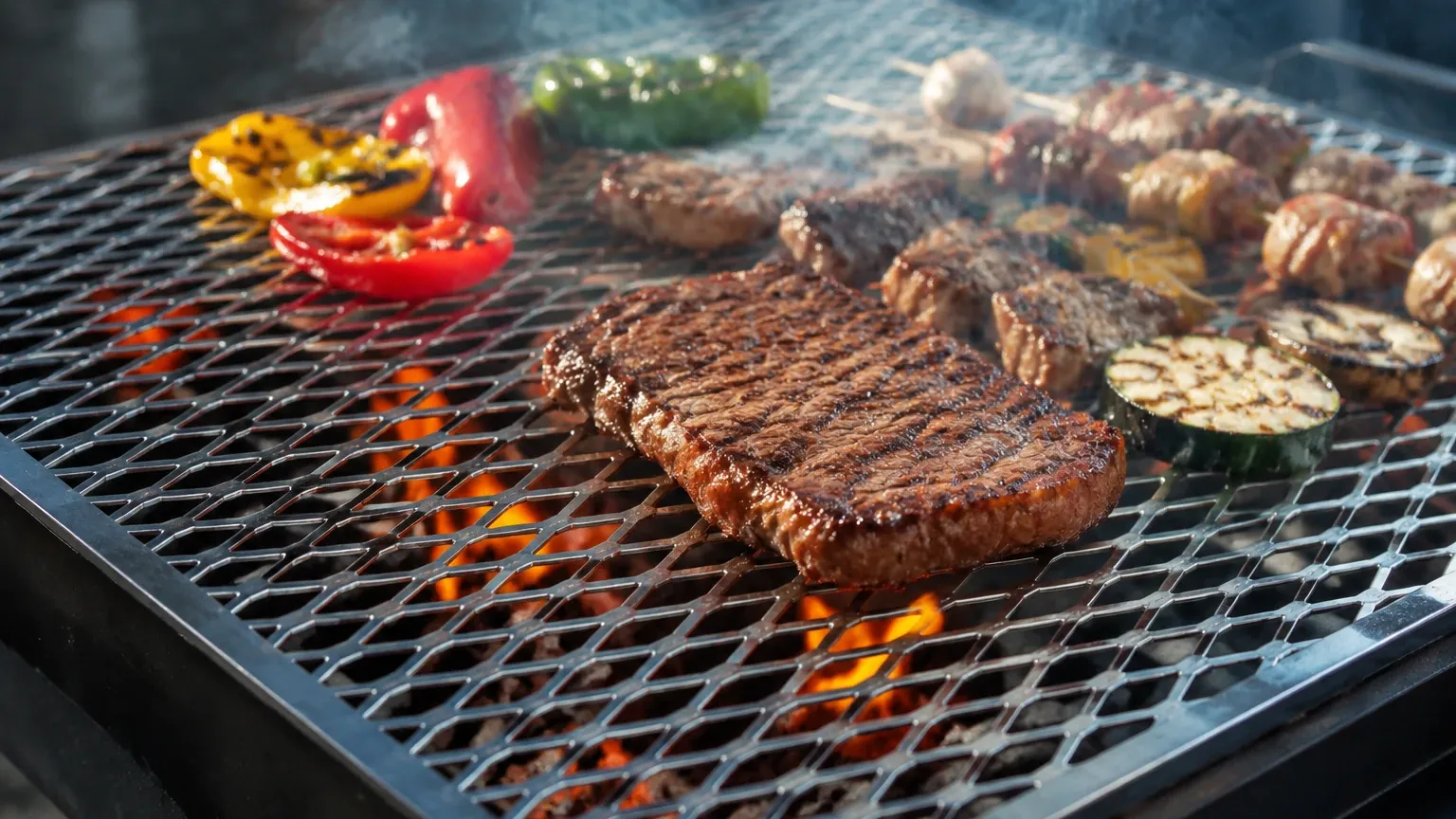
In the realm of industrial food processing, commercial kitchen equipment, and high-end outdoor cooking apparatus, the choice of material for grates, racks, and smoking trays is a critical engineering decision. A common question encountered by procurement officers and design engineers is: is expanded metal safe to cook on?
While expanded metal offers unique structural advantages—such as high open-area ratios for airflow and excellent strength-to-weight ratios—its safety for direct food contact is not a simple "yes" or "no." The answer depends entirely on the material grade, the manufacturing process, and the post-production treatments applied to the metal. This guide examines the technical considerations, material science, and safety protocols necessary to ensure that Perforated & Expanded Metal components meet the rigorous standards of the food industry.
Understanding Expanded Metal Manufacturing
To evaluate safety, one must first understand how expanded metal is produced. Unlike perforated metal, which is created by punching holes and removing material, expanded metal is manufactured by simultaneously slitting and stretching a solid sheet of metal. This process creates a diamond-shaped pattern of openings surrounded by interconnected strands of metal.
From a food-safety perspective, the manufacturing process introduces two primary variables:
1. Mechanical Geometry: The process creates "raised" edges where the strands are turned at an angle. For food applications, these edges can trap food particles and bacteria unless the material is "flattened" through a secondary cold-rolling process.
2. Surface Contaminants: The machinery used to slit and stretch the metal requires industrial lubricants and cooling oils. These substances are not food-grade and must be thoroughly removed before the component is integrated into a cooking system.
The Critical Role of Material Selection
The most significant factor in determining if expanded metal is safe to cook on is the base alloy. In B2B and industrial contexts, materials are categorized by their chemical stability and resistance to oxidation at high temperatures.
Stainless Steel (The Industrial Standard)
Stainless steel is the preferred choice for any direct food contact application. Specifically, Grades 304 and 316 are the industry benchmarks. These alloys contain high levels of chromium and nickel, which form a passive oxide layer that prevents rust and chemical leaching into food.
* Grade 304: Suitable for most cooking environments, offering excellent corrosion resistance and durability.
* Grade 316: Often required for high-salt environments or when processing acidic foods, as the addition of molybdenum provides superior resistance to pitting and chloride corrosion.
Carbon Steel (Requires Seasoning)
Carbon steel expanded metal is often used in industrial smokers and large-scale BBQ pits due to its lower cost and excellent heat retention. However, it is only safe if properly maintained. Uncoated carbon steel will oxidize (rust) rapidly when exposed to moisture. To make carbon steel safe for cooking, it must be "seasoned"—a process of polymerizing fats and oils onto the surface to create a protective, non-stick barrier, similar to a cast-iron skillet.
Galvanized Steel (The Safety Hazard)
Is expanded metal safe to cook on if it is galvanized? The answer is a definitive no. Galvanized steel is coated in zinc to prevent rust. When heated to the temperatures required for cooking, zinc can release toxic fumes. Inhalation of these fumes leads to "metal fume fever," a condition characterized by flu-like symptoms. Furthermore, zinc can leach into food at high temperatures. In any B2B procurement process for food equipment, galvanized materials must be strictly excluded from the heating zone.
Engineering Considerations for Food Contact Surfaces
When specifying Perforated & Expanded Metal for cooking or food processing, engineers must look beyond the base material and consider the physical characteristics of the mesh.
Raised vs. Flattened Expanded Metal
* Raised Expanded Metal: The strands are at an angle to the plane of the sheet. While this provides excellent grip and airflow, the sharp edges and crevices make it difficult to clean. In a commercial food environment, these crevices can harbor pathogens.
* Flattened Expanded Metal: After expansion, the sheet is passed through a leveling mill. This flattens the strands and bonds back into the same plane, creating a smooth, easy-to-clean surface. For direct food contact, flattened expanded metal is almost always the superior choice for hygiene and safety.
Deburring and Surface Finishing
The expanding process can leave small metal burrs or sharp slivers at the intersection of the diamonds. If these slivers break off during cooking, they pose a physical contamination risk. High-quality industrial filters and grates undergo rigorous deburring processes, such as vibratory finishing or electropolishing, to ensure a smooth, snag-free surface.
Addressing Manufacturing Residues and Cleaning
Even if the correct grade of stainless steel is selected, the material is not "food-safe" straight off the production line. Industrial manufacturing environments are inherently oily. Before an expanded metal component is used for cooking, it must undergo a professional cleaning process:
1. Degreasing: Removal of all machine oils and lubricants using industrial-strength, biodegradable solvents.
2. Pickling and Passivation: For stainless steel, this chemical treatment removes surface iron contamination and enhances the protective chrome-oxide layer, ensuring the metal remains inert during high-heat cooking.
3. Sanitization: Final wash protocols to ensure the component meets NSF (National Sanitation Foundation) or FDA (Food and Drug Administration) requirements for food-contact surfaces.
Thermal Performance and Structural Integrity
In B2B applications, such as industrial dehydrators or commercial ovens, the expanded metal must maintain its shape under constant thermal cycling. When evaluating if a specific expanded metal design is safe, engineers must calculate the expansion coefficient of the material.
If the mesh is too thin, it may warp or "oil-can" under high heat, potentially causing uneven cooking or mechanical failure within the equipment. Furthermore, the weld points where the expanded metal is attached to a frame must be high-quality. Poor welds can crack during thermal expansion, creating gaps where food can become trapped or causing the structure to collapse.
Regulatory Compliance and Standards
For purchasing teams, verifying the safety of expanded metal involves checking for compliance with international standards. In the United States, the FDA's Food Code provides guidelines for materials used in food contact. Key requirements include:
* Non-Absorbent: The material must not absorb moisture or food juices.
* Corrosion Resistant: It must withstand repeated cleaning with harsh detergents.
* Smooth Surface: It must be free of breaks, open seams, cracks, or chips.
When sourcing Perforated & Expanded Metal, it is essential to request Material Test Reports (MTRs) that confirm the chemical composition of the alloy. This documentation provides the necessary paper trail for safety audits and quality control.
Maintenance and Replacement Cycles
Safety is not a one-time certification; it is an ongoing maintenance requirement. Even the highest quality 316 stainless steel expanded metal can become unsafe if not properly maintained.
* Carbon Buildup: Over time, carbonized food and grease can build up in the intersections of the mesh. This buildup can flake off onto food and may contain carcinogens.
* Abrasive Cleaning: Using steel wool or harsh scrapers on stainless steel can scratch the surface, creating microscopic valleys where bacteria can grow. Soft-bristle brushes or high-pressure steam cleaning are preferred methods.
* Inspection: Regular inspections should look for signs of metal fatigue, broken strands, or persistent rust (in the case of carbon steel). Components showing structural degradation should be replaced immediately to prevent metal fragments from entering the food supply.
Customization Options for Industrial Filtration and Cooking
At Kaifil, we understand that industrial filtration and food processing often overlap. The same precision required to manufacture a stainless steel filter cartridge is required to produce a high-performance cooking grate. Customization options that enhance safety include:
* Custom Aperture Sizes: Optimizing the diamond size for specific food types to prevent sticking while maximizing heat transfer.
* Edge Binding: Adding a solid U-channel or flat bar frame around the expanded metal to eliminate sharp edges and improve structural rigidity.
* Specialized Coatings: For non-stick industrial applications, food-grade PTFE (Teflon) or ceramic coatings can be applied to stainless steel expanded metal.
Conclusion: Making the Safe Choice
So, is expanded metal safe to cook on? Yes, provided that the material is a food-grade alloy (preferably 304 or 316 stainless steel), the mesh is flattened to ensure cleanability, and the component has been professionally degreased and passivated.
For engineers and procurement professionals, the key is to avoid "off-the-shelf" industrial expanded metal that may be coated in rust inhibitors or manufacturing oils. Instead, work with a manufacturer that specializes in precision metal components and understands the unique demands of the food and beverage industry. By prioritizing material purity and surface finish, you can leverage the structural benefits of expanded metal without compromising on food safety or regulatory compliance.
When selecting components for your next project, ensure you are utilizing high-quality Perforated & Expanded Metal designed to meet the rigorous hygiene and performance standards of modern industrial cooking and processing environments.
