


Expanded Metal Patio Chairs
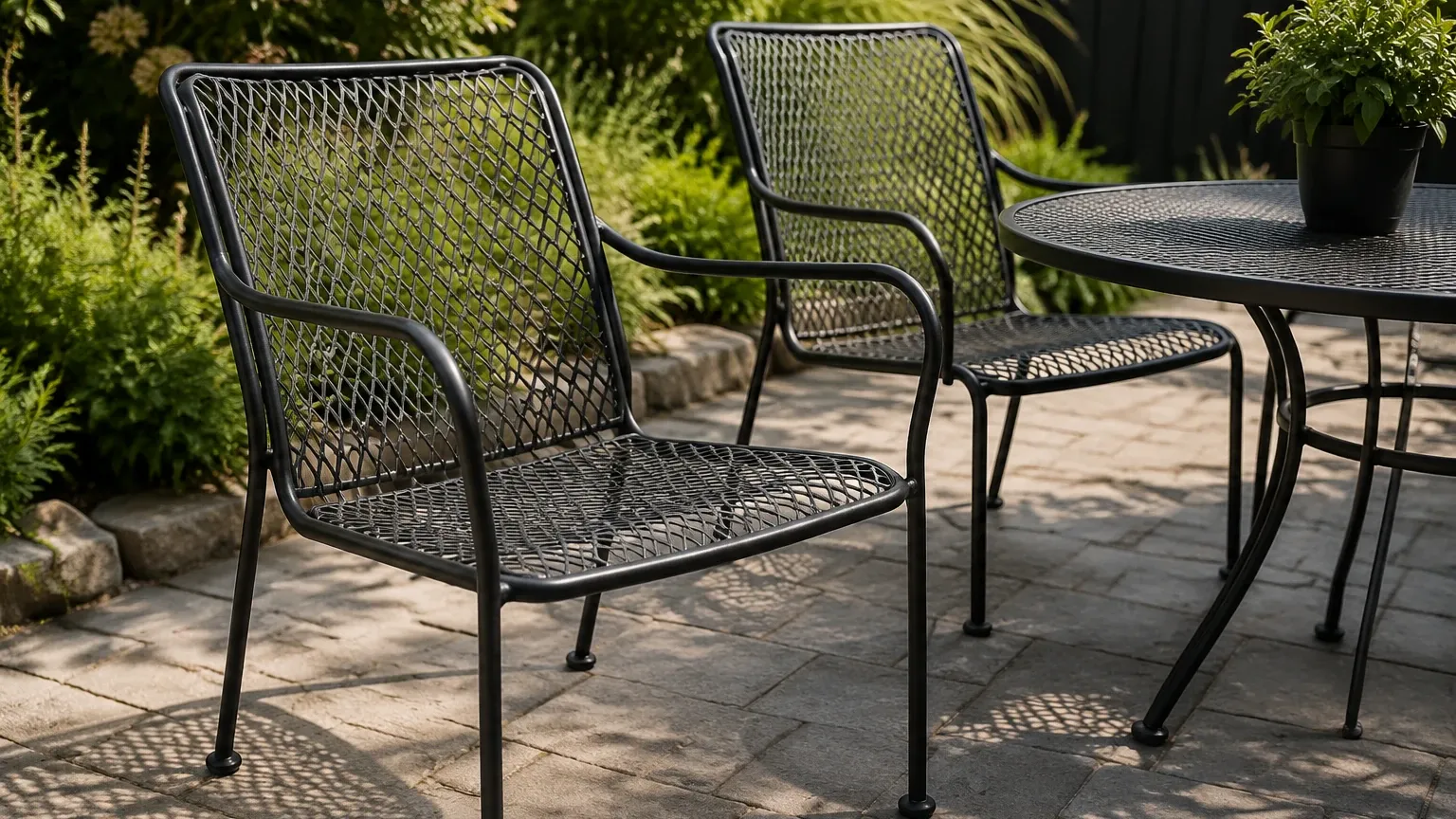
In the realm of commercial and industrial outdoor furniture, material selection is the primary determinant of longevity, safety, and maintenance costs. Expanded metal patio chairs represent a standard in high-traffic environments, ranging from corporate campuses and municipal parks to industrial break areas and outdoor dining facilities. Unlike standard residential furniture, these components must withstand constant exposure to UV radiation, moisture, and physical wear while maintaining structural integrity.
From an engineering perspective, the choice of expanded metal is not merely an aesthetic one; it is a decision based on the mechanical properties of the substrate and the efficiency of the manufacturing process. For procurement teams and facility managers, understanding the technical nuances of Perforated & Expanded Metal is essential for specifying products that meet the rigorous demands of professional use.
Understanding Expanded Metal in Structural Applications
Expanded metal is produced through a unique process of slitting and stretching a single sheet of metal—typically steel, stainless steel, or aluminum. This process creates a diamond-shaped pattern that is integral to the sheet, meaning there are no welds or joints that can fail over time. In the context of seating, this provides a seamless, high-strength surface capable of supporting significant weight without deformation.
There are two primary types of expanded metal used in furniture manufacturing: standard (raised) and flattened.
1. Standard Expanded Metal: This version features strands that are turned at a sharp angle to the plane of the sheet. While this provides excellent grip and a high strength-to-weight ratio, it is rarely used for the seating surface itself due to the sharp edges. However, it is frequently utilized for structural reinforcement or decorative side panels.
2. Flattened Expanded Metal: This is standard expanded metal that has been cold-rolled through a mill to flatten the strands and bonds. This results in a smooth, level surface that is ideal for expanded metal patio chairs. Flattening the material reduces the overall thickness of the sheet but maintains the structural continuity of the mesh.
When evaluating materials for seating, engineers often compare expanded metal to perforated metal. While perforated metal is created by punching holes out of a solid sheet—resulting in significant material waste—expanded metal is produced with virtually zero waste. This makes it a more cost-effective and sustainable option for large-scale industrial furniture projects.
Material Selection for Durability and Longevity
The environment in which the chairs will be placed dictates the material specification. For industrial manufacturers like Kaifil, the focus is often on the chemical and physical resistance of the metal substrate.
Carbon Steel
Carbon steel is the most common material for expanded metal furniture due to its high strength and lower initial cost. However, it requires a robust protective coating, such as powder coating or thermoplastic dipping, to prevent oxidation. In coastal or high-humidity environments, carbon steel may eventually succumb to corrosion if the coating is breached.
Stainless Steel
For environments requiring maximum hygiene or resistance to corrosive chemicals—such as pharmaceutical break areas or food processing facility patios—stainless steel is the preferred choice. Stainless steel expanded metal offers inherent corrosion resistance without the need for thick plastic coatings. It is also significantly more durable in terms of impact resistance and tensile strength.
Aluminum
Aluminum expanded metal is prized for its lightweight nature and natural resistance to rust. It is often specified for rooftop patios or areas where furniture must be frequently moved. While aluminum is softer than steel, the expanding process work-hardens the material, providing sufficient rigidity for commercial seating.
Engineering Advantages of Expanded Metal for Outdoor Furniture
The structural geometry of expanded metal offers several engineering advantages that are particularly beneficial for outdoor seating solutions.
Airflow and Temperature Regulation
The open area of the diamond mesh allows for constant airflow. In outdoor settings, this prevents the seating surface from reaching the extreme temperatures associated with solid metal or plastic chairs. Furthermore, the mesh allows wind to pass through the structure, reducing the "sail effect" and preventing chairs from being overturned during high-wind events.
Drainage and Self-Cleaning
One of the primary failure points for outdoor furniture is water retention, which leads to rust and microbial growth. Expanded metal patio chairs allow rainwater and debris to pass through the seat and backrest immediately. This self-draining capability ensures that the furniture is dry and ready for use shortly after a rain event, which is critical for commercial efficiency.
Weight-to-Strength Ratio
The expanding process creates a truss-like structure within the metal. This allows manufacturers to use thinner gauges of metal while achieving the same load-bearing capacity as much heavier solid sheets. For facility managers, this means the furniture is easier to relocate and install without sacrificing the durability required for public use.
Manufacturing Considerations and Customization
When specifying expanded metal for furniture, several technical parameters must be confirmed to ensure the product meets safety and comfort standards. These include the SWD (Short Way of Design) and LWD (Long Way of Design), which define the dimensions of the diamond openings.
For expanded metal patio chairs, a smaller SWD is typically preferred to prevent small objects from falling through and to provide a more uniform support surface for the user. Additionally, the "strand width" and "thickness" must be calculated based on the expected load. In industrial settings, where furniture may be subjected to heavy use by personnel wearing protective gear or carrying tools, a heavier gauge (typically 9 to 13 gauge) is recommended.
Customization options also extend to the edge treatment. Because the expanding process leaves open diamonds at the edges, these must be "framed" or "u-edged" with solid metal trim. This not only provides a clean aesthetic but also eliminates sharp edges, ensuring compliance with safety regulations in public and workplace environments.
OEM manufacturers like Kaifil can provide customized Perforated & Expanded Metal components that are pre-cut and finished to specific engineering drawings. This allows furniture designers to integrate high-performance filtration-grade metal into structural designs, ensuring a level of precision that standard hardware-grade metal cannot match.
Coating Technologies and Maintenance
The longevity of expanded metal furniture is heavily dependent on the finishing process. In the B2B sector, two primary coating methods are utilized:
1. Thermoplastic Coating: This is the industry standard for expanded metal seating. The metal is heated and dipped into a fluidized bed of plastic powder (often LDPE or PVC). The result is a thick, rubberized coating that encapsulates the metal entirely. This coating is highly resistant to UV rays, impact, and vandalism. It also provides a "soft touch" surface that is more comfortable for users.
2. Powder Coating: This involves applying a dry powder electrostatically and curing it under heat. While thinner than thermoplastic, modern polyester powder coatings offer excellent weather resistance and a wider range of colors. It is often used for high-end architectural furniture where a sleek, metallic look is desired.
From a maintenance perspective, expanded metal chairs are exceptionally low-effort. They can be pressure washed or cleaned with standard industrial detergents without fear of trapping water in the frame. For facilities with strict hygiene protocols, stainless steel expanded metal can be passivated or electropolished to provide a surface that resists bacterial adhesion and is easy to sanitize.
Total Cost of Ownership (TCO) in Industrial Environments
When purchasing furniture for an industrial or commercial facility, the initial purchase price is only one part of the equation. The Total Cost of Ownership (TCO) includes maintenance, repair, and replacement cycles.
Expanded metal patio chairs typically offer a lower TCO than wood, plastic, or light-gauge tubular steel alternatives. Because the material is a single piece of expanded steel, there are no slats to break or screws to loosen. The durability of the thermoplastic or powder-coated finish means that the furniture can often remain in service for 10 to 15 years, even in harsh outdoor environments.
For procurement professionals, confirming the following details with a supplier like Kaifil is essential before placing an order:
* Material Grade: Is it 304 or 316 stainless steel, or a specific grade of carbon steel?
* Opening Size: Does the mesh pattern provide adequate support without sacrificing drainage?
* Finish Specification: What is the mil thickness of the coating, and has it been tested for UV stability?
* Load Rating: Has the design been tested for the specific weight requirements of the site?
Conclusion
Expanded metal patio chairs are a testament to the versatility of industrial metal fabrication. By applying the same precision used in the manufacture of high-performance filtration components to structural furniture, engineers can create environments that are both functional and incredibly durable. Whether you are outfitting a chemical plant's outdoor break area or a municipal transit hub, the technical advantages of expanded metal—ranging from its superior drainage to its high strength-to-weight ratio—make it the optimal choice for demanding applications.
For those seeking specialized metal components or custom-engineered solutions, exploring the full range of Perforated & Expanded Metal options is the first step toward a successful project. By focusing on material science and manufacturing excellence, Kaifil continues to support industries in achieving long-term performance in even the most challenging environments.
