


Railing Expanded Metal
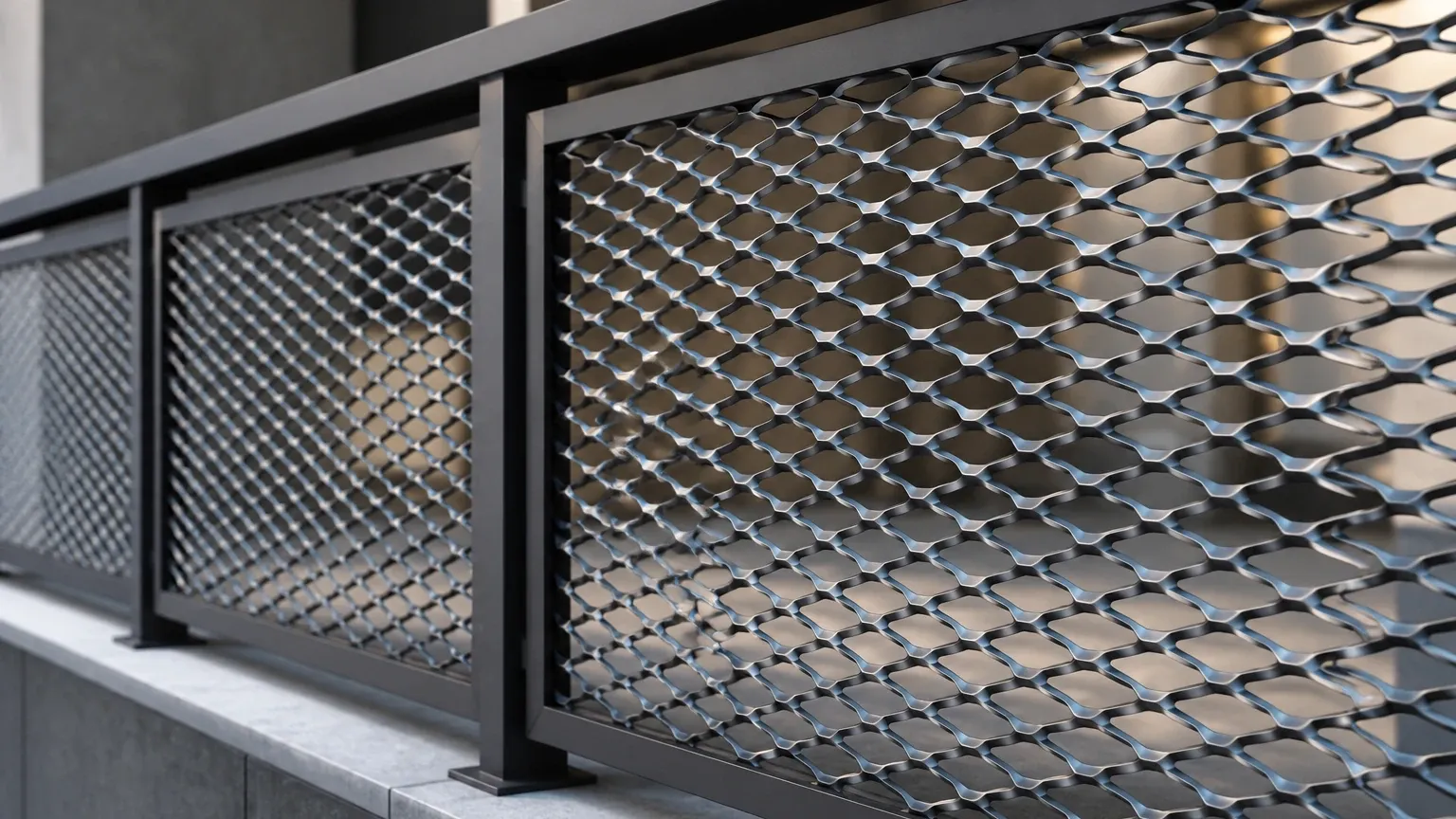
In industrial and commercial engineering, the selection of infill materials for safety barriers and walkways is a critical decision that impacts structural integrity, worker safety, and long-term maintenance costs. Railing expanded metal has emerged as a preferred solution for technical professionals seeking a balance between high strength-to-weight ratios and functional transparency. Unlike traditional woven wire or solid panels, expanded metal is manufactured through a process of slitting and stretching a single sheet of metal, resulting in a continuous, joint-less mesh that maintains its shape even when cut.
For engineers and procurement teams operating in demanding sectors such as chemical processing, pharmaceutical manufacturing, and water treatment, understanding the technical nuances of expanded metal is essential. This guide explores the engineering considerations, material specifications, and application-specific benefits of utilizing Perforated & Expanded Metal for industrial railing systems.
Technical Fundamentals of Expanded Metal
The manufacturing process of expanded metal distinguishes it from other mesh types. A solid sheet of metal—typically stainless steel, carbon steel, or aluminum—is fed through an expanding machine that simultaneously slits and stretches the material. This process creates a series of diamond-shaped openings. Because the material is not woven or welded, there are no joints that can fray or points of stress concentration that might fail under vibration or repetitive loading.
Raised vs. Flattened Expanded Metal
When specifying railing expanded metal, engineers must choose between two primary forms:
1. Raised (Standard) Expanded Metal: In this form, the strands and bonds are set at a uniform angle to the plane of the sheet. This creates a three-dimensional surface that provides excellent slip resistance and high rigidity. In railing applications, raised expanded metal is often used where anti-climb properties or maximum structural stiffness are required.
2. Flattened Expanded Metal: This is produced by passing the standard expanded sheet through a cold-roll reducing mill. The process flattens the strands and bonds into a single plane, resulting in a smooth, level surface. Flattened expanded metal is typically preferred for handrails or barriers where personnel might come into frequent contact with the mesh, as it minimizes the risk of cuts or abrasions.
Engineering Considerations for Railing Systems
Integrating expanded metal into a railing system requires a detailed analysis of the application’s environmental and mechanical demands. Several key factors influence the selection process.
Strength and Load-Bearing Capacity
The geometry of expanded metal allows it to distribute loads across a wide area. For railing infill, the material must withstand both concentrated point loads and distributed pressure (such as wind loads in outdoor installations). The strength of the mesh is determined by the thickness of the base material (gauge) and the width of the strands. For high-traffic industrial catwalks, a heavier gauge stainless steel is often specified to ensure the barrier can withstand accidental impacts from equipment or personnel.
Open Area and Visibility
The "open area" percentage of a mesh defines how much light, air, and fluid can pass through. In filtration-adjacent environments, such as chemical plants or food processing facilities, maintaining airflow and visibility is vital for safety monitoring and ventilation. Railing expanded metal typically offers an open area ranging from 40% to 80%. A higher open area reduces the wind load on the support structure, which is a critical consideration for outdoor safety barriers on elevated platforms.
Aperture Dimensions: SWD and LWD
Expanded metal dimensions are defined by the Short Way of Design (SWD) and the Long Way of Design (LWD).
* SWD: The distance from the center of one bond to the center of the next bond measured across the short diamond diagonal.
* LWD: The distance from the center of one bond to the center of the next bond measured across the long diamond diagonal.
For railing applications, the SWD is usually oriented vertically to maximize the structural strength of the panel against downward force. Engineers must ensure the aperture size prevents the passage of specific objects, adhering to safety codes (such as the "4-inch ball rule" in many building regulations).
Material Selection for Demanding Environments
As a manufacturer specializing in stainless steel solutions, Kaifil emphasizes the importance of material compatibility. The choice of alloy directly impacts the replacement cycle and total cost of ownership.
Stainless Steel (304 and 316)
Stainless steel is the gold standard for industrial railing expanded metal. Grade 304 provides excellent corrosion resistance for general industrial use. However, in environments involving high chloride concentrations or aggressive chemicals—common in pharmaceutical and marine applications—Grade 316 is recommended. Its molybdenum content provides superior resistance to pitting and crevice corrosion, ensuring the railing remains structurally sound for decades.
Carbon Steel and Aluminum
While carbon steel is cost-effective, it requires galvanization or powder coating to prevent oxidation. Aluminum is utilized where weight reduction is the primary concern, though it offers lower tensile strength compared to stainless steel. For B2B procurement, the long-term durability of stainless steel often outweighs the initial cost savings of alternative materials, especially when considering the labor costs associated with replacing corroded barriers.
Comparing Perforated & Expanded Metal for Railings
When designing a safety barrier, engineers often weigh the benefits of Perforated & Expanded Metal. While both serve similar functions, their mechanical properties differ.
* Material Efficiency: Expanded metal is more resource-efficient. The expansion process increases the surface area of the original sheet without generating scrap waste (slugs), which are a byproduct of perforation. This often makes expanded metal a more sustainable and cost-effective option for large-scale railing projects.
* Structural Rigidity: The slanted strands of raised expanded metal provide inherent structural stiffness that perforated sheets lack unless they are of a significantly higher gauge.
* Aesthetics and Texture: Perforated metal offers a wider variety of hole shapes (round, square, slotted) and a cleaner, more modern aesthetic. However, for industrial utility, the diamond pattern of expanded metal is often preferred for its functional grip and traditional "industrial" look.
Installation and Framing Requirements
Proper installation is paramount to the performance of railing expanded metal. Because the mesh is a single piece, it can be easily welded to a frame without the risk of individual wires coming loose.
Framing Techniques
To ensure safety, expanded metal panels should be securely framed. Common methods include:
* U-Edging: A U-shaped metal channel is fitted over the edges of the expanded metal and welded. This hides sharp edges and provides a clean finish.
* Angle Iron Frames: The mesh is tack-welded to the inside of an angle iron frame. This is the most common method for heavy-duty industrial catwalk railings.
* Flat Bar Sandwich: The mesh is sandwiched between two flat bars and bolted or welded, providing a high-strength connection suitable for high-vibration environments.
Orientation Matters
In railing systems, the orientation of the diamonds affects both strength and visibility. Orienting the LWD horizontally generally provides a better view for personnel looking through the mesh at an angle, while vertical orientation can assist in shedding moisture or debris in outdoor or wash-down environments.
Application in Industrial Filtration and Processing
While expanded metal is a staple of architectural and safety railing, its role in industrial processing facilities is often overlooked. In chemical and pharmaceutical plants, railing expanded metal serves dual purposes:
1. Safety Barriers: Protecting workers from falls or moving machinery.
2. Debris Filtration: In wash-down areas, expanded metal railings can act as a coarse primary barrier, preventing large debris from entering drainage systems or sensitive processing areas.
Kaifil’s expertise in precision metal components ensures that the expanded metal used in these railings meets the same quality standards as filtration media. This includes strict adherence to tolerances and material purity, which is essential for pharmaceutical-grade environments where contamination must be avoided.
Total Cost of Ownership and Selection Guide
When evaluating railing expanded metal for a project, purchasing teams should look beyond the initial price per square foot. The total cost of ownership (TCO) includes installation, maintenance, and the expected lifespan of the material.
* Maintenance Requirements: Stainless steel expanded metal requires minimal maintenance—usually just periodic cleaning. In contrast, coated carbon steel must be inspected for chips or scratches that could lead to rust.
* Replacement Cycles: High-quality 316 stainless steel can last 25+ years in most industrial settings. Choosing a lower-grade material may necessitate replacement every 5-10 years, significantly increasing the long-term cost.
* Customization Options: Working with a manufacturer that offers OEM capabilities allows for custom sheet sizes, reducing on-site cutting and waste.
Before finalizing a purchase, engineers should confirm the following with their supplier:
* Exact Alloy Grade: Ensure the material matches the environmental conditions (e.g., 316L for low-carbon requirements).
* Flattening Quality: For handrails, verify that the flattening process has removed all burrs and sharp edges.
* Load Specifications: Request data on the deflection of the mesh under the specific spans required by the project design.
Conclusion
Railing expanded metal is a sophisticated engineering component that provides essential safety and structural benefits across diverse industrial sectors. By selecting the appropriate material, gauge, and finish, engineers can implement railing systems that are not only compliant with safety standards but also optimized for the specific challenges of their facility. Whether the priority is corrosion resistance in a chemical plant or airflow in a pharmaceutical cleanroom, the versatility of expanded metal makes it an indispensable tool in modern industrial design.
For those seeking high-performance filtration and structural metal components, exploring the range of Perforated & Expanded Metal options is the first step toward a durable and cost-effective solution. By prioritizing technical expertise and quality manufacturing, organizations can ensure their infrastructure supports both operational efficiency and personnel safety.
