


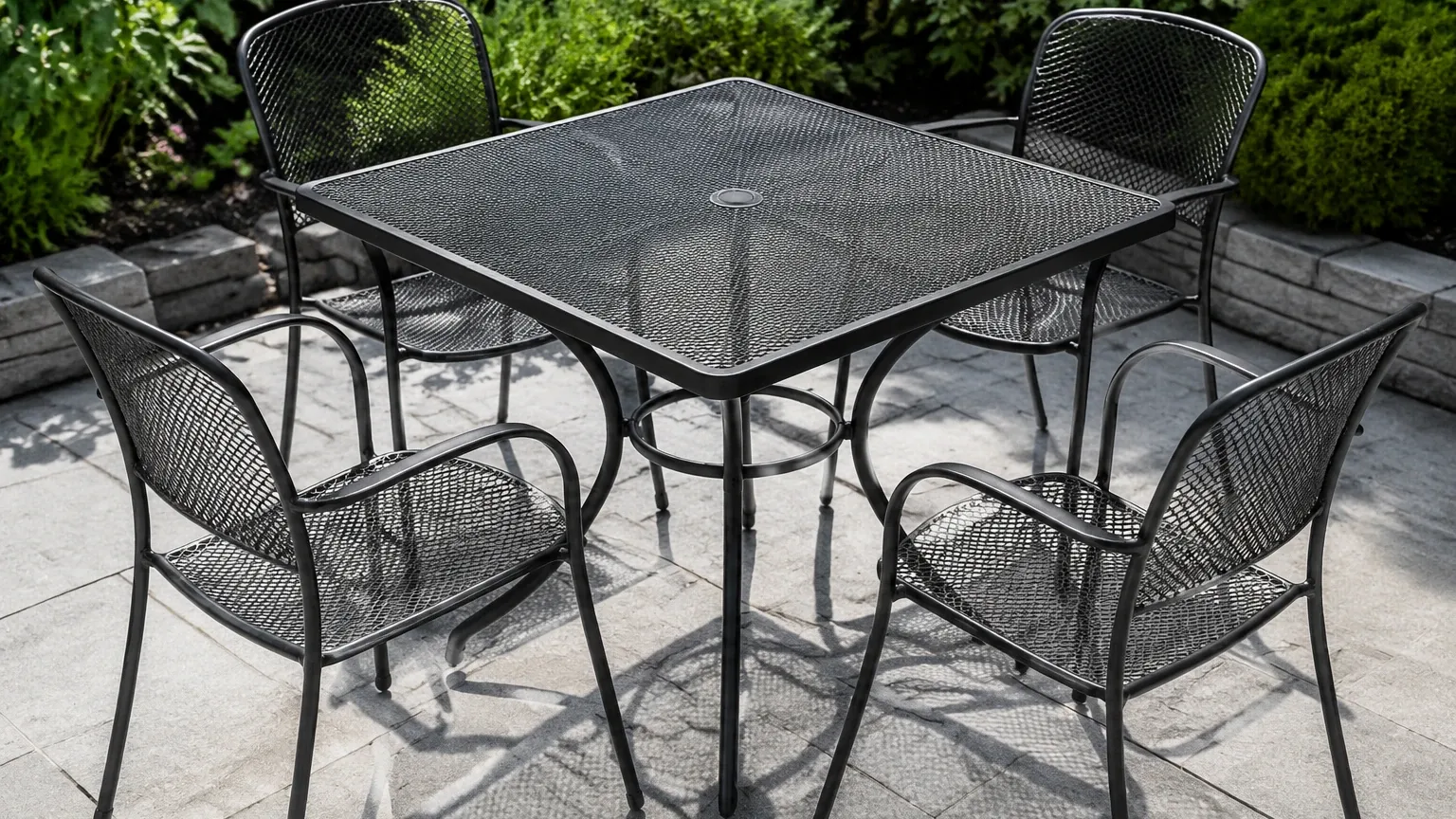
Expanded Metal Table and Chairs
In industrial and commercial environments, the selection of site furniture—specifically expanded metal table and chairs—is driven by a need for structural integrity, environmental resistance, and low maintenance. Unlike standard consumer-grade furniture, industrial-grade expanded metal components are engineered to withstand high-traffic use and exposure to harsh weather or chemical cleaning agents. For engineers and facility managers, understanding the technical specifications of the base material is essential for ensuring long-term performance and safety.
Expanded metal is a versatile material produced by simultaneously slitting and stretching a metal sheet. This process creates a diamond-shaped pattern of openings, resulting in a single-piece construction that is stronger, lighter, and more rigid than the original sheet. When integrated into the design of tables and chairs, this material offers unique drainage and airflow properties that are critical for outdoor or industrial applications.
Understanding Expanded Metal in Industrial Furniture Design
The fundamental advantage of using expanded metal for furniture lies in its manufacturing process. Because the metal is stretched rather than punched, there is no material waste, making it a cost-effective alternative to perforated metal in many high-volume applications. Furthermore, the interconnected strands of an expanded metal sheet distribute loads evenly across the surface.
In the context of Perforated & Expanded Metal applications, furniture designers must choose between two primary forms: raised (standard) and flattened. Raised expanded metal features strands that are turned at an angle to the plane of the sheet, providing a slip-resistant surface and high rigidity. However, for seating and table surfaces, flattened expanded metal is typically preferred. Flattened mesh undergoes an additional cold-rolling process that levels the strands, creating a smooth, safe surface that is comfortable for users while maintaining the structural benefits of the expanded pattern.
Material Selection: Stainless Steel vs. Alternative Alloys
Material selection is the most critical factor in determining the lifespan of expanded metal table and chairs. While carbon steel is a common choice due to its lower initial cost, it requires heavy protective coatings to prevent oxidation. In demanding industrial or coastal environments, stainless steel is the superior choice for several technical reasons:
1. Corrosion Resistance: Stainless steel grades such as 304 and 316 contain chromium and nickel, which form a passive oxide layer. This prevents rust even if the surface is scratched or dented.
2. Hygienic Properties: In food processing facilities or pharmaceutical environments, stainless steel expanded metal is easy to sanitize and does not harbor bacteria in its pores.
3. Structural Stability: Stainless steel maintains its mechanical properties across a wide temperature range, preventing the brittleness that can affect some plastics or lower-grade alloys in extreme cold.
For facilities located near saltwater or chemical processing zones, Type 316 stainless steel is recommended due to its increased molybdenum content, which provides superior resistance to pitting and chloride-induced stress corrosion cracking.
Engineering Benefits of Perforated & Expanded Metal Structures
When evaluating furniture for industrial use, engineers often compare perforated metal with expanded metal. While both offer ventilation and drainage, expanded metal provides a higher strength-to-weight ratio. The diamond truss pattern inherent in expanded metal acts as a structural reinforcement, allowing for thinner gauges to be used without sacrificing load-bearing capacity.
Key engineering benefits include:
* Self-Draining Surfaces: The open area of the mesh allows rainwater, snow, and spilled liquids to pass through immediately. This prevents pooling, which can lead to corrosion or safety hazards.
* Heat Dissipation: In outdoor environments, solid metal surfaces can reach dangerously high temperatures. The airflow permitted by expanded metal keeps the seating and table surfaces significantly cooler.
* Vandal Resistance: The single-piece construction of expanded metal means there are no individual wires to unravel or welds to break within the mesh pattern itself, making it highly resistant to tampering or intentional damage.
Key Performance Indicators for Commercial Seating and Surfaces
To specify the correct expanded metal table and chairs, procurement teams should evaluate several technical parameters. These KPIs ensure the furniture meets the specific demands of the intended installation site.
Open Area Percentage
The open area determines both the visibility through the material and the rate of drainage. For seating, an open area of 40% to 60% is common, providing a balance between physical support and environmental resistance. Higher open areas are often used for table tops to ensure rapid cleaning and debris removal.
Strand Width and Thickness
The gauge of the metal and the width of the strands dictate the overall durability. For heavy-duty industrial furniture, a strand thickness of 9-gauge to 13-gauge is standard. Thicker strands provide better resistance to impact and deformation in high-traffic public areas.
Pattern Dimensions (SWD and LWD)
Expanded metal is measured by the Short Way of Design (SWD) and the Long Way of Design (LWD). For furniture, smaller diamond patterns (e.g., 1/2-inch or 3/4-inch SWD) are preferred to prevent small objects from falling through the table or catching on clothing.
Manufacturing Precision: From Raw Mesh to Finished Components
The transition from raw expanded metal sheets to finished furniture requires precision manufacturing. At Kaifil, the focus is on ensuring that every component meets rigorous industrial standards. This involves several critical steps:
1. Precision Cutting: Using CNC technology to ensure that the mesh patterns align perfectly with the furniture frames.
2. Edge Treatment: One of the primary risks with expanded metal is the presence of sharp edges where the mesh is cut. Industrial-grade furniture must feature "knuckled" edges or be fully encased in a tubular or angle-iron frame to protect users.
3. Welding Integrity: While the mesh itself is weld-free, the attachment points to the frame must be executed using TIG or MIG welding to ensure a seamless, high-strength bond that resists vibration and mechanical stress.
Maintenance and Lifecycle Considerations
The total cost of ownership (TCO) for expanded metal table and chairs is significantly lower than that of wood or plastic alternatives, provided the correct finish is applied. In many B2B applications, thermoplastic or powder coatings are used to add a layer of protection and color.
Thermoplastic coatings are particularly effective for expanded metal because they are applied in a thick layer that rounds off any remaining sharp edges on the mesh. This coating is also resistant to UV degradation and does not crack or peel as easily as traditional paint. For stainless steel variants, a passivated or electropolished finish is often sufficient, providing a modern aesthetic while maximizing the material's natural corrosion resistance.
Maintenance requirements are minimal. Periodic pressure washing or rinsing with mild detergent is usually enough to remove environmental debris. Because the material does not trap moisture, the risk of internal rot or hidden oxidation is virtually eliminated.
Procurement Checklist for Engineers and Facility Managers
Before finalizing a purchase order for expanded metal furniture, technical professionals should confirm the following details with their supplier:
* Material Certification: Request mill test reports to verify the grade of stainless steel or carbon steel used.
* Load Ratings: Ensure the table and seating units have been tested for static and dynamic loads appropriate for the environment.
* Coating Thickness: If using coated steel, verify the mil thickness of the thermoplastic or powder layer.
* Edge Finishing: Confirm that all expanded metal edges are either deburred, flattened, or framed to meet safety regulations.
* Customization Options: Determine if the manufacturer can adjust the mesh size or frame dimensions to fit specific site constraints.
By focusing on these technical specifications, organizations can invest in expanded metal table and chairs that provide decades of service in even the most demanding industrial settings. For those seeking high-precision metal components, exploring specialized Perforated & Expanded Metal solutions is the first step toward achieving a balance of form, function, and durability.
