


Expanded Metal Trailer Ramp
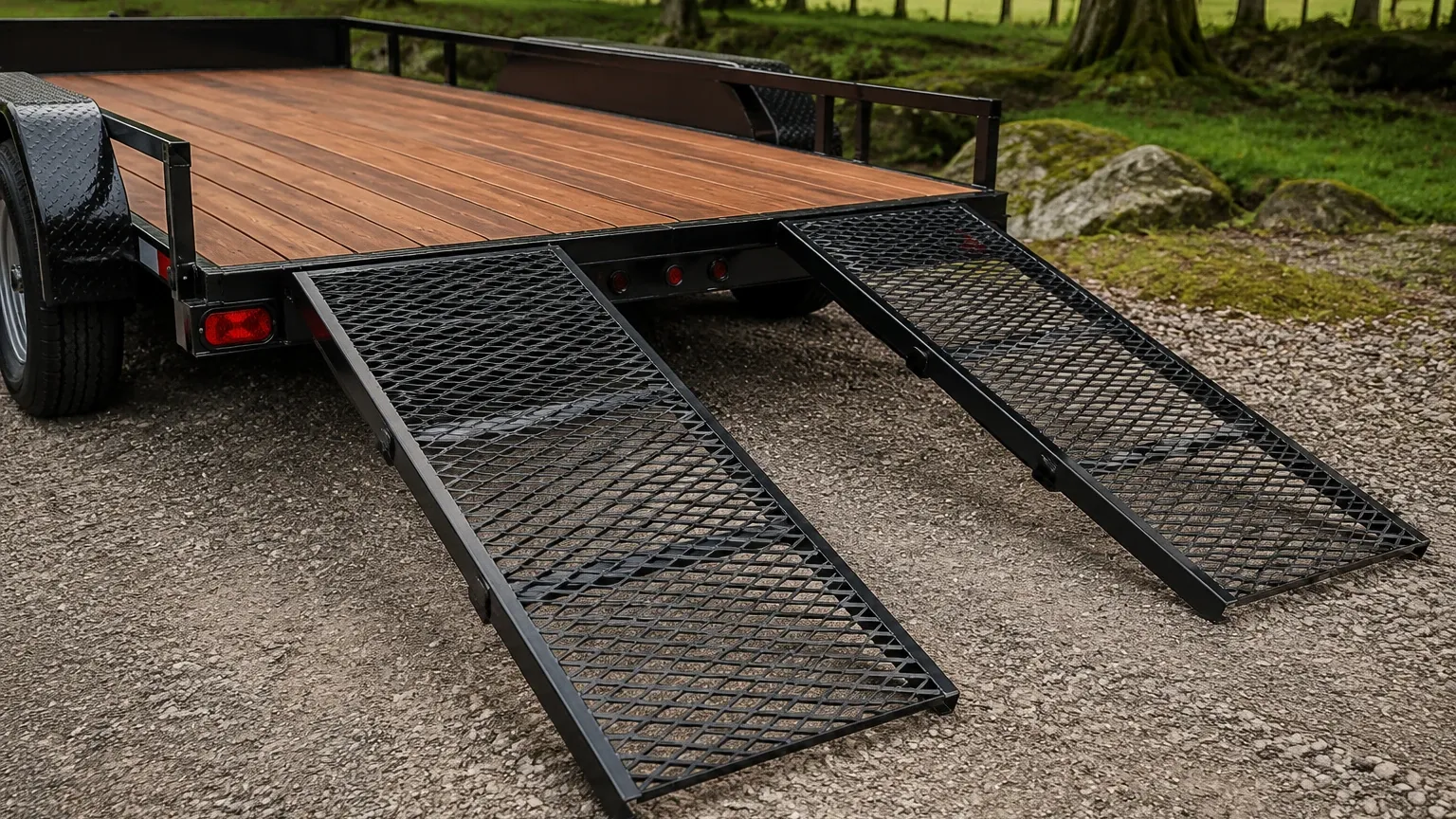
In the realm of industrial logistics and equipment transport, the structural integrity and safety of loading systems are paramount. An expanded metal trailer ramp serves as a critical interface between the ground and the transport vehicle, providing the necessary traction and support for heavy machinery, vehicles, and palletized goods. Unlike solid plate ramps, expanded metal offers a unique combination of high strength-to-weight ratios, superior slip resistance, and self-cleaning properties that are essential for demanding industrial environments.
For engineers and procurement professionals, selecting the correct specification for an expanded metal ramp involves more than just choosing a material. It requires an understanding of the manufacturing process, the geometric properties of the mesh, and the mechanical stresses involved during loading and unloading cycles. As a specialist in precision metal components, Kaifil provides the technical expertise necessary to navigate these variables, ensuring that the chosen Perforated & Expanded Metal solution meets the rigorous safety and durability standards of the sector.
Understanding Expanded Metal for Heavy-Duty Ramps
Expanded metal is produced through a process of simultaneous slitting and stretching of metal sheets. This manufacturing method is distinct from perforated metal because it produces no waste material; the original sheet is expanded into a diamond-patterned mesh that can be several times its original width. For trailer ramps, this process creates a continuous, truss-like structure where the strands are interconnected by solid "bonds."
There are two primary forms of expanded metal used in ramp construction: standard (raised) and flattened.
1. Standard Expanded Metal: In this form, the strands are set at a sharp angle to the plane of the sheet. This creates a highly textured surface that provides exceptional multi-directional grip. For an expanded metal trailer ramp, standard mesh is almost always preferred because the raised edges bite into tire treads or boot soles, preventing slippage even in wet, icy, or oily conditions.
2. Flattened Expanded Metal: This is standard expanded metal that has been cold-rolled to create a smooth, flat surface. While this is useful for walkway applications where a level surface is required for small-wheeled carts, it lacks the aggressive traction required for heavy-duty vehicle ramps.
Material Selection: Stainless Steel vs. Carbon Steel
The choice of material for an expanded metal trailer ramp significantly impacts its service life, maintenance requirements, and total cost of ownership. While carbon steel is a common choice due to its lower initial cost, industrial applications often demand the superior properties of stainless steel or aluminum.
Stainless Steel (304 and 316 Grades)
Stainless steel is the preferred material for ramps used in chemical processing, food and beverage, or marine environments. Its inherent corrosion resistance eliminates the need for galvanizing or painting, which can flake off over time and compromise the grip surface. Grade 304 provides excellent durability for most general industrial uses, while Grade 316 offers enhanced resistance to chlorides and acidic environments, making it ideal for ramps used in harsh outdoor or coastal locations.
Carbon Steel and Galvanization
Carbon steel provides high tensile strength and is cost-effective for dry, indoor environments. However, for trailer ramps exposed to the elements, carbon steel must be hot-dip galvanized to prevent oxidation. While effective, the galvanization process can sometimes fill the smaller diamond apertures or dull the sharp edges of the strands, slightly reducing the traction coefficient compared to stainless steel.
Structural Engineering: Load Capacity and Deflection
When designing or specifying an expanded metal trailer ramp, engineers must calculate the maximum concentrated load the ramp will bear. This is typically the axle weight of the heaviest vehicle intended to use the ramp, plus a safety factor (often 2:1 or 3:1 depending on the industry).
The Importance of Span and Support
Expanded metal is not a self-supporting structure over long distances. It must be welded to a secondary frame, usually consisting of steel channels or angle irons. The spacing of these supports (the "span") determines the deflection of the mesh under load. If the span is too wide, the expanded metal may undergo permanent plastic deformation, leading to a "dished" surface that collects water and reduces safety.
Strand Thickness and Width
The load-bearing capacity of the mesh is determined by the thickness of the original sheet and the width of the resulting strands. For heavy-duty trailer ramps, a heavier gauge (typically 9-gauge or 6-gauge) is required. The "bond"—the point where the strands intersect—is the strongest part of the mesh. Aligning the long way of the diamond (LWD) perpendicular to the direction of travel can sometimes enhance the structural rigidity of the ramp surface.
Traction and Safety: The Role of Mesh Geometry
The primary functional advantage of an expanded metal trailer ramp is its open area. In industrial settings, ramps are often subjected to mud, snow, hydraulic fluids, and debris. A solid ramp surface would become a significant safety hazard under these conditions.
Drainage and Self-Cleaning
The diamond-shaped openings in expanded metal allow liquids and small debris to fall through the ramp surface. This ensures that the contact patch between the vehicle's tires and the metal strands remains clear. This "self-cleaning" property is vital for maintaining a consistent coefficient of friction, regardless of the weather or the cleanliness of the work site.
Grip Orientation
The orientation of the diamonds plays a role in traction. For an expanded metal trailer ramp, the short way of the diamond (SWD) is usually oriented parallel to the direction of the incline. This places the maximum number of raised strand edges in contact with the climbing vehicle, providing a "ladder-like" effect that assists in the ascent. When specifying the mesh, it is crucial to communicate the intended direction of travel to the manufacturer to ensure the sheet is cut and oriented correctly within the ramp frame.
Customization and Manufacturing Precision
Industrial filtration and metal component manufacturing require a high degree of precision, a principle that Kaifil applies to all expanded metal products. Customization is often necessary to meet specific trailer dimensions or weight requirements.
Edge Treatments and Safety
Raw expanded metal has sharp, jagged edges where the diamonds have been cut. For trailer ramps, these edges must be properly finished. This can involve welding the mesh into a "U-channel" frame or using a flat bar to cap the edges. Proper edging not only protects the operator from cuts but also significantly increases the torsional rigidity of the ramp panel.
Custom Aperture Sizes
While standard diamond sizes (such as 3/4" or 1-1/2") are common, certain applications may require custom aperture sizes. For example, a ramp intended for use with pneumatic tires may use a larger diamond to maximize grip, whereas a ramp for foot traffic or small-wheeled dollies may require a smaller, denser pattern to prevent tripping or wheel entrapment.
Maintenance and Longevity in Industrial Environments
To ensure the continued safety of an expanded metal trailer ramp, a regular inspection and maintenance schedule must be implemented. Unlike solid structures, the many intersection points in expanded metal can be susceptible to localized stress if the ramp is overloaded or improperly supported.
1. Weld Inspection: Periodically check the tack welds or continuous welds that secure the expanded metal to the frame. Vibration from vehicle travel can cause weld fatigue over time.
2. Debris Management: While the mesh is self-cleaning for small particles, larger debris can occasionally become wedged in the diamonds. This should be cleared to maintain the integrity of the traction surface.
3. Corrosion Monitoring: In galvanized carbon steel ramps, look for signs of "white rust" or red oxidation, particularly at the bond points where the metal is most stressed. If using stainless steel, ensure that no carbon steel tools or brushes are used for cleaning, as this can embed iron particles and lead to surface staining.
4. Deformation Checks: Use a straightedge to check for bowing or sagging in the mesh. Any permanent deflection greater than 1/4 inch over a 12-inch span usually indicates that the ramp has been overloaded and may require reinforcement or replacement.
Conclusion: Selecting the Right Specification
Choosing the right expanded metal trailer ramp is a balance between weight, strength, and environmental resistance. Engineers must prioritize the safety of the operators and the security of the cargo by selecting materials and mesh geometries that provide consistent performance under the worst possible conditions.
By focusing on high-quality materials like stainless steel and ensuring precise manufacturing standards, companies can reduce the frequency of ramp replacements and minimize the risk of loading-dock accidents. Whether for a custom fleet of transport trailers or a single heavy-equipment loading bay, the technical details of the expanded metal—from the gauge of the strand to the orientation of the diamond—are the foundation of a reliable industrial loading solution. For those seeking specialized configurations or technical guidance on material compatibility, consulting with a manufacturer experienced in precision metal fabrication is the most effective way to ensure long-term operational success.
