


Vinyl Coated Expanded Metal
In industrial filtration and structural support, material selection is dictated by the intersection of mechanical strength and environmental resistance. Vinyl coated expanded metal represents a specialized category of processed metal that addresses these dual requirements by combining the structural integrity of a rigid metal substrate with the chemical and abrasion resistance of a polyvinyl chloride (PVC) or vinyl polymer layer. For engineers and procurement teams, understanding the technical nuances of this material is essential for optimizing the performance and longevity of filtration systems and industrial components.
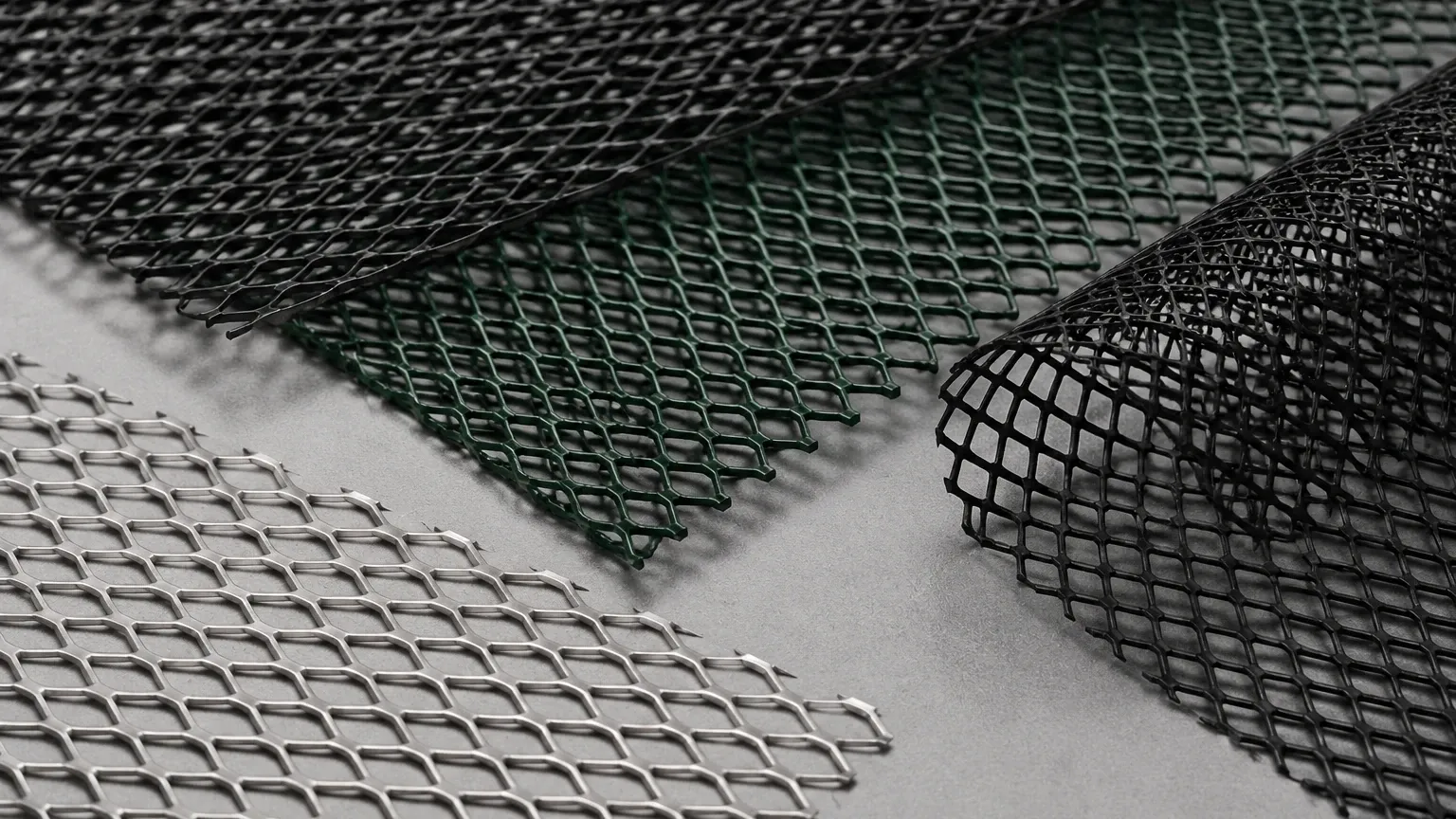
At its core, expanded metal is produced by simultaneously slitting and stretching a solid sheet of metal—typically carbon steel, aluminum, or stainless steel—to create a diamond-shaped pattern of openings. When this substrate is treated with a vinyl coating, the resulting product gains significant protective properties that raw Perforated & Expanded Metal may lack in corrosive or high-friction environments.
Understanding Vinyl Coated Expanded Metal in Industrial Environments
The application of a vinyl coating to expanded metal is not merely an aesthetic choice; it is a functional engineering decision. In industrial settings, metal components are frequently exposed to moisture, chemical vapors, and mechanical wear. Raw carbon steel expanded metal, while cost-effective and strong, is highly susceptible to oxidation. Even stainless steel, though naturally resistant to corrosion, can suffer from pitting or surface degradation in specific chemical concentrations.
Vinyl coated expanded metal provides a non-conductive, chemically inert barrier that encapsulates the metal strands. This coating is typically applied through a fluidized bed process or plastisol dipping, ensuring that the "bonds" (the intersections of the diamond pattern) and the "strands" (the sides of the diamonds) are uniformly covered. This encapsulation prevents the underlying metal from coming into direct contact with the process fluid or the external environment, effectively extending the replacement cycle of the component.
In filtration applications, vinyl coatings serve an additional purpose: they provide a smooth, non-abrasive surface. When expanded metal is used as a support structure for delicate wire mesh or synthetic filter media, the sharp edges of raw metal can cause mechanical fatigue or tearing. The vinyl layer rounds off these edges, protecting the primary filtration layer and maintaining the integrity of the entire filter cartridge assembly.
Engineering Specifications and Manufacturing Standards
When specifying vinyl coated expanded metal for a project, engineers must define several critical parameters to ensure the material meets the flow and structural requirements of the application. These specifications include:
1. Substrate Material and Gauge
The base metal determines the load-bearing capacity and rigidity. While vinyl provides the surface protection, the substrate must be thick enough to withstand the pressure differentials typical in hydraulic or chemical filtration. Common gauges range from light decorative meshes to heavy-duty industrial gratings.
2. Mesh Dimensions (LWD and SWD)
Expanded metal is measured by the Long Way of the Diamond (LWD) and the Short Way of the Diamond (SWD). These dimensions, along with the strand width and thickness, dictate the "open area" percentage. In filtration, the open area is a primary factor in calculating pressure drop and flow velocity. Engineers must account for the fact that the vinyl coating will slightly decrease the SWD and LWD while increasing the strand thickness, thereby reducing the total open area compared to the raw substrate.
3. Coating Thickness and Adhesion
The thickness of the vinyl coating is usually measured in mils (thousandths of an inch). A standard industrial coating may range from 10 to 30 mils. The adhesion of the vinyl to the metal is critical; if the coating peels or delaminates, it can introduce contaminants into the process stream—a significant risk in food, beverage, and pharmaceutical applications. High-quality manufacturing processes involve rigorous surface preparation, such as grit blasting or priming, to ensure a permanent bond.
Key Performance Advantages of Vinyl Coatings
The integration of vinyl coatings into Perforated & Expanded Metal designs offers several distinct advantages that contribute to a lower total cost of ownership in demanding sectors.
* Corrosion and Chemical Resistance: Vinyl is inherently resistant to a wide range of acids, alkalis, and salts. This makes it an ideal choice for water treatment facilities, chemical processing plants, and marine environments where salt spray would quickly degrade unprotected metal.
* Impact and Abrasion Protection: The polymer layer acts as a shock absorber. In systems where the metal is subject to vibration or the impact of particulate matter, the vinyl coating prevents surface nicks that could become focal points for stress corrosion cracking.
* Thermal and Electrical Insulation: Vinyl is a poor conductor of heat and electricity. In applications involving sensitive electronic components or where thermal bridging must be minimized, vinyl coated expanded metal provides a functional barrier that raw metal cannot offer.
* Noise Reduction: In high-flow gas or liquid systems, the interaction between the fluid and the metal edges can generate significant acoustic noise. The softer surface of a vinyl coating helps dampen these vibrations, contributing to a quieter industrial environment.
Selecting the Right Configuration for Filtration and Support
Choosing the correct configuration of vinyl coated expanded metal requires a balance between mechanical support and filtration efficiency. In the context of industrial filter cartridges, expanded metal often serves as the outer protective cage or the inner core support.
For outer cages, a larger mesh size is often preferred to minimize flow restriction while providing enough structural rigidity to protect the internal pleats of the filter media. Here, the vinyl coating is essential for resisting external environmental factors and ensuring the filter remains easy to handle during maintenance and replacement.
For inner cores, the material must withstand high collapse pressures. In these instances, a heavier gauge substrate is used. The vinyl coating on the inner core is particularly important when the process fluid is corrosive, as any failure of the core could lead to a catastrophic bypass of the filtration system. Engineers should confirm the chemical compatibility of the vinyl polymer with the specific process fluid, especially at elevated temperatures, as polymers have lower thermal limits than the metal substrates they protect.
Durability and Total Cost Considerations for Procurement
From a procurement perspective, the initial cost of vinyl coated expanded metal is higher than that of standard carbon steel. However, the total cost of ownership (TCO) often favors the coated material due to reduced maintenance and longer intervals between replacements.
When evaluating suppliers, purchasing teams should inquire about the following:
* Batch Consistency: Uniformity in coating thickness is vital for ensuring consistent flow characteristics across multiple filter units.
* Compliance Standards: In industries like food and beverage or pharmaceuticals, the vinyl coating must often meet specific regulatory requirements (such as FDA or REACH compliance) to ensure that no harmful substances leach into the product.
* Customization Capabilities: Standard off-the-shelf expanded metal may not meet the precise SWD/LWD requirements for specialized filtration. Working with a manufacturer that offers custom slitting, stretching, and coating allows for the optimization of the mesh to the specific pressure and flow needs of the equipment.
Replacement cycles are also a critical factor. In harsh chemical environments, an uncoated steel support might require replacement every six months due to corrosion. A vinyl coated alternative may last several years, significantly reducing downtime and labor costs associated with frequent filter changes.
Customization and Technical Support in Metal Fabrication
Industrial filtration challenges are rarely solved with one-size-fits-all components. The effectiveness of vinyl coated expanded metal depends heavily on the precision of its manufacture. Factors such as the sharpness of the expansion blades, the tension during the stretching process, and the temperature control during the vinyl application all influence the final product's quality.
At Kaifil, the focus is on providing engineered solutions that go beyond simple material supply. By integrating manufacturing expertise with a deep understanding of filtration principles, it is possible to develop Perforated & Expanded Metal components that are tailored to specific industrial demands. Whether the requirement is for a high-strength stainless steel core or a vinyl coated outer cage for a chemical scrubber, the goal is to provide a component that enhances the overall efficiency of the filtration system.
Engineers should seek partners who can provide technical data sheets covering flow resistance, material composition, and coating durability. This transparency allows for informed decision-making during the design phase, ensuring that the selected vinyl coated expanded metal will perform as expected under actual operating conditions.
In conclusion, vinyl coated expanded metal is a high-performance material that solves many of the traditional limitations of metal meshes in corrosive and high-wear environments. By carefully selecting the substrate, mesh geometry, and coating specifications, industrial professionals can achieve a balance of strength, protection, and filtration efficiency that supports long-term operational success.
