


Perforated Metal Roofing
In modern industrial and architectural engineering, the transition from traditional solid surfaces to functional, breathable structures has led to the widespread adoption of perforated metal roofing. This specialized roofing solution serves as more than just a protective barrier; it is a precision-engineered component designed to manage airflow, light transmission, and acoustic performance while maintaining structural integrity. For engineers and facility managers, understanding the technical nuances of perforated materials is essential for ensuring long-term durability and operational efficiency in demanding environments.
As a manufacturer specializing in precision metal components, Kaifil provides high-performance Perforated & Expanded Metal solutions tailored to industrial requirements. Whether the application involves heavy-duty industrial enclosures, architectural facades, or specialized ventilation covers, the selection of the right material and perforation pattern is critical to the success of the project.
Understanding Perforated Metal Roofing in Industrial Applications
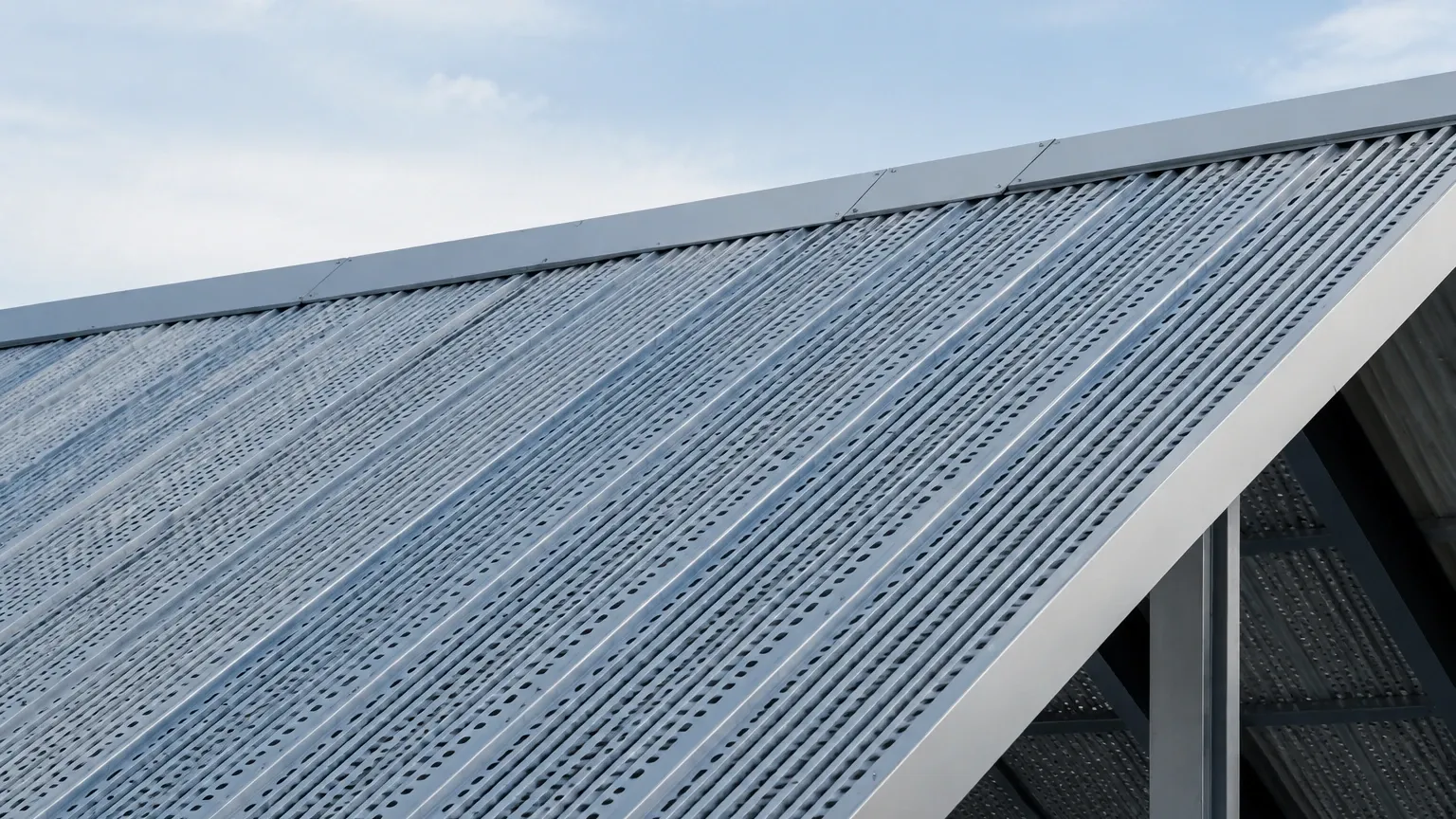
Perforated metal roofing refers to metal sheets—typically stainless steel, aluminum, or galvanized steel—that have been mechanically punched or laser-cut to create a specific pattern of holes. Unlike solid metal roofing, which is designed primarily for complete weatherproofing, perforated roofing is often utilized in secondary roofing systems, equipment screens, sunshades, and interior ceiling panels where environmental control is paramount.
In industrial settings, these panels are frequently used to cover HVAC systems, cooling towers, and mechanical mezzanines. The primary objective is to provide a protective shield that prevents debris from entering sensitive areas while allowing heat to dissipate. The "open area" of the panel—the percentage of the sheet that is comprised of holes—determines the balance between protection and permeability. Engineers must carefully calculate this ratio to ensure that the roofing does not restrict airflow to the point of causing equipment overheating or excessive wind loading on the structure.
Material Selection and Durability Factors
The longevity of perforated metal roofing depends heavily on the base material and its resistance to the specific environmental stressors of the site. Because perforation increases the surface area exposed to the atmosphere, the risk of corrosion is higher than with solid sheets, particularly at the edges of the holes.
Stainless Steel (304 and 316 Grade)
Stainless steel is the preferred choice for industrial filtration and structural components due to its inherent corrosion resistance. Grade 304 is suitable for most standard industrial environments, providing excellent strength and durability. However, for facilities located in coastal areas or those handling corrosive chemicals, Grade 316 is recommended. The addition of molybdenum in 316 stainless steel significantly enhances its resistance to chloride-induced pitting, which is a common failure point in perforated panels.
Aluminum
Aluminum is favored for its high strength-to-weight ratio and natural oxidation layer that protects against rust. In roofing applications, aluminum panels reduce the dead load on the building’s structural frame, making them ideal for large-scale renovations where the existing structure cannot support heavy steel panels. However, aluminum has a higher coefficient of thermal expansion than steel, which must be accounted for in the fastening system to prevent buckling.
Galvanized and Carbon Steel
While carbon steel offers high structural rigidity at a lower initial cost, it requires a protective coating—such as hot-dip galvanizing or specialized powder coating—to prevent rapid oxidation. In perforated metal roofing, the galvanizing process must be thorough to ensure that the interior surfaces of the perforations are fully coated, as these are often the first areas to show signs of red rust.
Engineering Specifications: Hole Patterns and Open Area
The performance of a perforated panel is defined by its geometry. When specifying perforated metal roofing, engineers must define the hole shape, size, and pitch.
1. Hole Shapes: Round holes are the most common and cost-effective to produce. They offer the best structural stability and are available in the widest range of open area percentages. Square holes provide a higher open area for maximum ventilation but may have slightly lower structural strength. Slotted holes are often used for specific drainage or aesthetic requirements.
2. Staggered vs. Straight Centers: A staggered pattern (usually at 60 degrees) is the industry standard because it provides the highest strength and more uniform open area. Straight patterns are generally reserved for aesthetic applications or specific alignment with internal components.
3. Open Area Calculation: This is the most critical metric for perforated metal roofing. If the open area is too low, the panel acts like a sail, increasing wind load and potentially damaging the roof structure. If it is too high, the panel may lose the rigidity required to span between supports. A typical range for industrial roofing applications is between 30% and 60% open area.
Functional Benefits: Ventilation, Lighting, and Acoustics
Implementing perforated metal roofing offers several functional advantages that solid roofing cannot provide. These benefits contribute to both the operational efficiency of the building and the comfort of the occupants.
Natural Ventilation and Heat Dissipation
In facilities housing heavy machinery or thermal processing equipment, heat accumulation is a significant challenge. Perforated panels allow for natural convection, enabling hot air to rise and escape through the roof structure. This reduces the load on mechanical cooling systems and helps maintain a stable internal temperature.
Solar Shading and Daylight Integration
Perforated roofing can act as a high-performance sunshade. By selecting the appropriate hole size and spacing, engineers can design roofs that block direct solar radiation during the hottest parts of the day while still allowing diffused natural light to enter the workspace. This "daylighting" strategy can significantly reduce energy consumption related to artificial lighting.
Acoustic Management
Metal surfaces are naturally reflective, which can lead to high noise levels in industrial environments. Perforated metal roofing, when combined with acoustic insulation materials, functions as a highly effective sound absorber. The perforations allow sound waves to pass through the metal skin into the insulation material, where the energy is dissipated. This is particularly useful in power plants, manufacturing hubs, and transit centers.
Installation and Maintenance Considerations
To ensure the structural integrity of perforated metal roofing, specific installation protocols must be followed. Because the panels are permeable, the underlying support structure and drainage systems must be designed to handle any water that passes through the perforations if the system is not a double-skin design.
Fastening Systems
Fasteners should be made of the same material as the panels to avoid galvanic corrosion. For example, using carbon steel screws with stainless steel panels will lead to rapid degradation of the fastener. Furthermore, due to the reduced surface area of perforated sheets, oversized washers are often required to distribute the load and prevent the fastener head from pulling through the holes under high wind pressure.
Expansion and Contraction
Large-scale metal roofs undergo significant thermal movement. Slotted mounting holes are often necessary to allow the panels to expand and contract without shearing the fasteners or warping the metal. This is especially critical for aluminum perforated metal roofing, which moves more than steel.
Maintenance Cycles
While stainless steel and aluminum are relatively low-maintenance, perforated panels can trap dust, organic debris, and industrial particulates within the holes. Regular inspection is required to ensure that the perforations remain clear. If the holes become clogged, the ventilation benefits are lost, and the increased wind resistance can put undue stress on the attachment points. In most industrial environments, a semi-annual pressure wash is sufficient to maintain performance.
Customization and OEM Solutions for Specialized Roofing
Every industrial project has unique requirements regarding filtration, airflow, and structural load. Off-the-shelf perforated panels rarely meet the precise needs of complex engineering projects. This is where OEM (Original Equipment Manufacturer) capabilities become vital.
Customization options include:
* Variable Perforation Zones: Panels can be designed with solid borders for increased mounting strength or with varying hole densities across a single sheet to target specific airflow needs.
* Precision Forming: Perforated sheets can be corrugated, curved, or folded into complex geometries to fit specific architectural profiles or to increase the stiffness of the panel.
* Specialized Coatings: Beyond standard galvanizing, panels can be treated with PVDF (polyvinylidene fluoride) coatings for extreme UV resistance or antimicrobial coatings for food and pharmaceutical processing environments.
By working with a manufacturer like Kaifil, engineering teams can access technical support during the design phase to determine the optimal material thickness and perforation pattern. This collaborative approach ensures that the perforated metal roofing performs reliably under the specific pressures, temperatures, and chemical exposures of the application.
Conclusion: Selecting the Right Solution
Perforated metal roofing is a sophisticated engineering solution that bridges the gap between structural protection and environmental control. When specified correctly, it provides essential ventilation, acoustic dampening, and aesthetic value to industrial and commercial structures. However, the success of these systems depends on a rigorous evaluation of material science, geometric specifications, and environmental conditions.
For professionals managing industrial projects, the focus should remain on durability and precision. By selecting high-quality Perforated & Expanded Metal and partnering with experienced manufacturers, organizations can achieve a roofing system that meets both functional requirements and long-term cost-of-ownership goals. Whether you are addressing heat dissipation in a factory or designing a modern architectural facade, the technical integrity of the perforated component is the foundation of a successful installation.
