


Perforated Metal Roof Panels
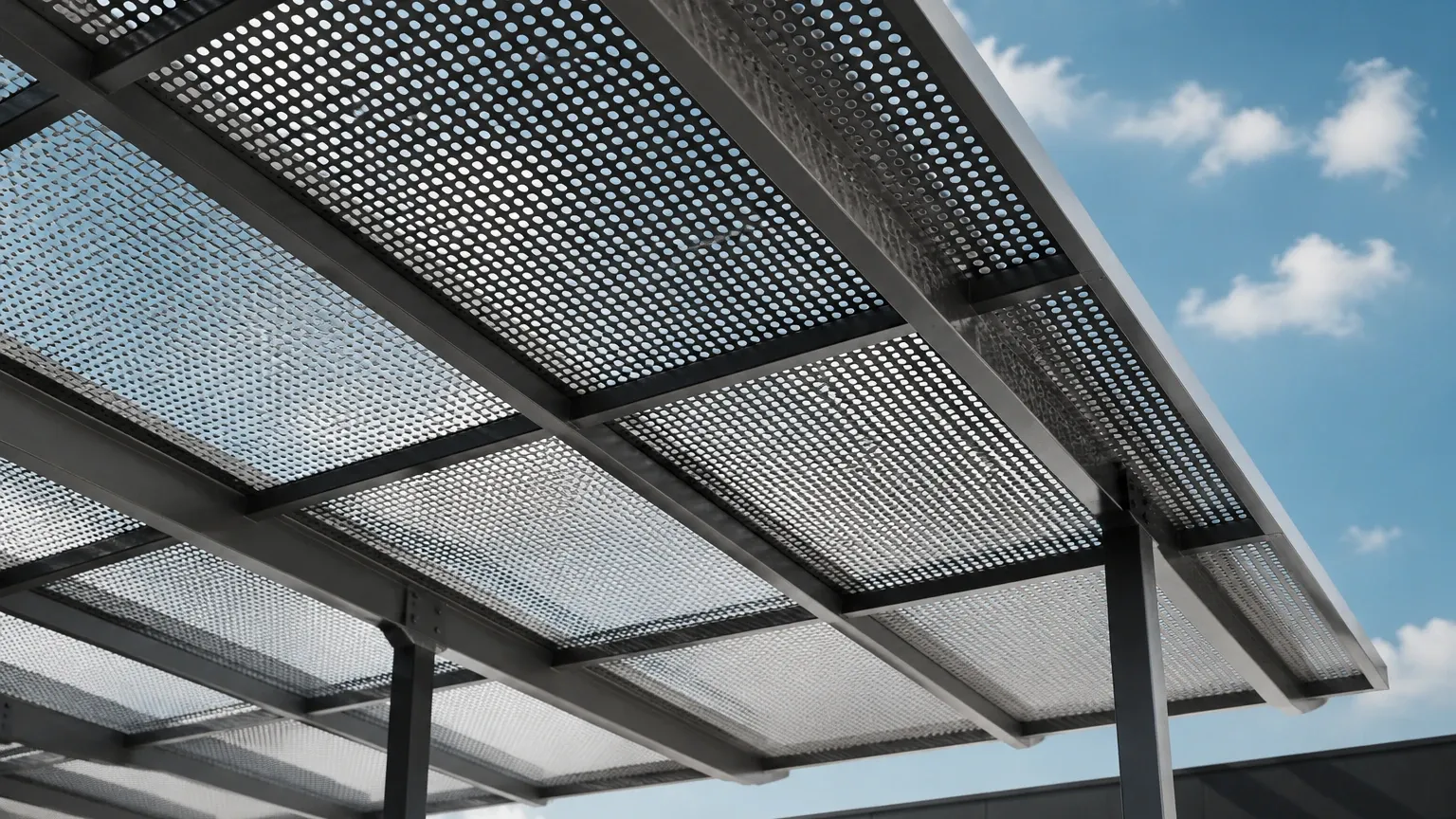
In modern industrial architecture and engineering, the selection of roofing materials has evolved beyond simple weather protection. Perforated metal roof panels have emerged as a sophisticated solution that balances structural integrity with functional performance, particularly in environments requiring managed airflow, acoustic control, or specific aesthetic transparency. As a core component of the broader Perforated & Expanded Metal category, these panels provide engineers and facility managers with a versatile tool for optimizing building performance.
Understanding the technical specifications, material behaviors, and installation nuances of perforated metal is essential for procurement teams and design engineers. This guide examines the engineering considerations and selection criteria necessary to integrate perforated metal roof panels effectively into industrial and commercial projects.
Engineering Fundamentals of Perforated Metal Panels
Perforated metal roof panels are manufactured by punching or laser-cutting a series of holes into metal sheets. While the process sounds straightforward, the engineering behind the hole pattern, size, and spacing—known as the "pitch"—is critical to the panel's performance.
Material Selection and Durability
The choice of base metal is the primary determinant of a panel's lifespan and resistance to environmental stressors. In industrial filtration and structural applications, three materials dominate the market:
* Stainless Steel (304 and 316 Grades): Preferred for high-corrosion environments, such as chemical processing plants or coastal facilities. Stainless steel offers superior tensile strength and maintains its structural integrity under extreme thermal fluctuations.
* Aluminum: Known for its high strength-to-weight ratio and natural corrosion resistance. Aluminum is often the material of choice for large-scale roofing projects where reducing the dead load on the building structure is a priority.
* Galvanized Steel: A cost-effective option for indoor or less aggressive outdoor environments, providing basic oxidation protection through a zinc coating.
Open Area Calculations
The "Open Area" is the percentage of the panel that consists of holes. This figure is the most important metric for engineers calculating airflow, light transmission, and acoustic transparency. For a standard 60-degree staggered round hole pattern, the open area percentage is calculated using the formula:
OA = (D² × 90.69) / P²
Where *D* is the hole diameter and *P* is the pitch (the distance between the centers of two adjacent holes). Accurate open area calculations ensure that the perforated metal roof panels meet the specific ventilation requirements of the building without compromising the material's load-bearing capacity.
Functional Benefits in Industrial Environments
Perforated metal roof panels serve multiple functional roles that standard solid panels cannot fulfill. These benefits are particularly relevant in industrial sectors where internal environmental control is paramount.
Ventilation and Thermal Management
In facilities housing heavy machinery, power generation equipment, or chemical reactors, heat accumulation is a significant operational risk. Perforated panels allow for natural convection, enabling hot air to escape through the roof structure. This passive ventilation reduces the load on HVAC systems and helps maintain stable operating temperatures for sensitive equipment.
Acoustic Performance
Industrial environments are often characterized by high decibel levels that can impact worker safety and regulatory compliance. When used as part of a multi-layered roofing system, perforated metal panels act as a sound-transparent facing. Sound waves pass through the perforations and are trapped by acoustic insulation materials (such as mineral wool) behind the panel. This configuration significantly reduces noise reverberation within large halls or manufacturing floors.
Light Diffusion and Shading
For structures requiring natural light without the glare or heat gain associated with glass, perforated metal provides a controlled diffusion mechanism. By adjusting the hole size and frequency, engineers can design roof sections that provide "functional transparency," allowing daylight to enter while shielding the interior from direct solar radiation.
Design and Customization Criteria
Specifying perforated metal roof panels requires a detailed understanding of the customization options available through advanced manufacturing processes. Standardized sheets often fail to meet the precise needs of complex industrial projects.
Hole Patterns and Geometry
While round holes are the most common due to their structural stability and ease of manufacture, other geometries offer specific advantages:
* Square Holes: Provide a higher open area for maximum airflow but may offer less structural rigidity than round holes.
* Slotted Holes: Often used for filtration or drainage applications where directional flow is required.
* Hexagonal Patterns: Offer a high open area while maintaining a modern, technical aesthetic.
Gauge Thickness and Structural Integrity
The thickness of the metal (gauge) must be balanced against the perforation pattern. Extensive perforation reduces the overall stiffness of the sheet. Engineers must calculate the "Equivalent Solid Material" properties to determine how the perforated section will behave under snow loads, wind uplift, and maintenance foot traffic. Thicker gauges are typically required for roofing applications compared to decorative interior screens.
Margins and Blank Areas
Customized perforated panels allow for the inclusion of "margins"—solid metal borders around the perforated area. These margins are essential for welding, bolting, or clamping the panels to the roof substructure. Specifying exact margin dimensions ensures that the panels can be installed securely without damaging the perforated pattern.
Installation and Integration Considerations
The successful implementation of perforated metal roof panels depends heavily on how they are integrated into the overall building envelope. Improper installation can lead to structural failure or accelerated corrosion.
Attachment Methods
Panels are typically secured using mechanical fasteners or specialized clamping systems. Because perforated metal can be thinner than solid structural decking, it is often installed over a sub-frame. Engineers must ensure that the fasteners are compatible with the panel material to prevent galvanic corrosion (e.g., using stainless steel fasteners with aluminum panels).
Thermal Expansion and Contraction
Metal panels expand and contract with temperature changes. In long-run roofing applications, the fastening system must allow for this movement. Slotted mounting holes or floating clips are often used to prevent the panels from buckling or shearing the fasteners over time.
Moisture Management
While perforated panels are often used for ventilation, they do not provide a watertight seal on their own. In most roofing applications, they serve as a "secondary skin" or a decorative/functional over-roof. If the design requires the perforated layer to be the outermost surface, a secondary drainage plane or waterproof membrane must be positioned beneath it to protect the building interior from precipitation.
Performance Evaluation and Selection Guide
When evaluating suppliers for Perforated & Expanded Metal products, procurement teams should confirm several technical factors to ensure long-term ROI.
1. Tolerance Standards: Industrial applications require tight tolerances on hole diameter and pitch. Confirm if the manufacturer adheres to industry standards (such as IPA – Industrial Perforators Association guidelines).
2. Edge Conditions: Ensure the panels are delivered with "safe edges" or specific solid margins to facilitate handling and installation without the risk of injury or structural weakness at the attachment points.
3. Surface Finishes: For outdoor roofing, the finish is as important as the metal itself. Options include PVDF coatings for UV resistance, powder coating for color-coded industrial safety, or pickling and passivation for stainless steel to enhance its natural corrosion resistance.
4. Total Cost of Ownership (TCO): While aluminum or stainless steel panels may have a higher initial purchase price than galvanized steel, their reduced maintenance requirements and longer service life in harsh environments often result in a lower TCO.
Common Risks and Mitigation Strategies
Engineers must be aware of potential pitfalls when specifying perforated metal roof panels for industrial use:
* Wind Whistling: At certain wind speeds, air passing through small perforations can create an audible whistling sound. This can be mitigated by choosing staggered patterns or larger hole diameters that disrupt the harmonic frequency.
* Debris Clogging: In environments with high particulate matter (e.g., near woodworking facilities or heavy dust areas), perforations can become clogged, reducing ventilation efficiency. Regular maintenance cycles and selecting appropriate hole sizes can minimize this risk.
* Load Deflection: Perforated sheets deflect more than solid sheets of the same thickness. It is vital to consult load-span tables provided by the manufacturer to ensure the spacing of the roof purlins is adequate for the chosen panel gauge and pattern.
Conclusion: Confirming Project Requirements
Before finalizing a purchase order for perforated metal roof panels, the project's technical lead should confirm the following data points with the manufacturer:
* The exact atmospheric conditions (salinity, chemical exposure, humidity).
* Required airflow or acoustic attenuation coefficients.
* Maximum expected physical loads (wind, snow, maintenance access).
* Compatibility of the panel material with existing structural components.
By focusing on these factual engineering boundaries, B2B buyers can ensure that their selection of perforated metal components provides the necessary durability and performance for demanding industrial environments. Whether the goal is enhanced ventilation, noise reduction, or structural shading, the precision manufacturing of these components remains the cornerstone of a successful roofing installation.
