


Sas Perforated Metal Ceiling Tiles
In modern industrial and commercial architecture, the selection of ceiling systems extends far beyond mere aesthetics. For engineers, facility managers, and purchasing teams, the choice of a ceiling solution must balance structural integrity, acoustic performance, and long-term durability. Sas perforated metal ceiling tiles represent a high-performance standard in this sector, offering a modular and robust alternative to traditional mineral fiber or gypsum boards. These systems are engineered to integrate seamlessly with HVAC, lighting, and fire suppression systems while providing the necessary technical specifications for demanding environments.
As a manufacturer specializing in precision metal components, Kaifil understands that the efficacy of any perforated system—whether for filtration or architectural cladding—depends on the precision of the base material. The manufacturing of Perforated & Expanded Metal components requires a deep understanding of metallurgy and mechanical tolerances to ensure that the final product meets the rigorous demands of industrial applications.
Understanding the Engineering Behind Perforated Metal Ceiling Systems
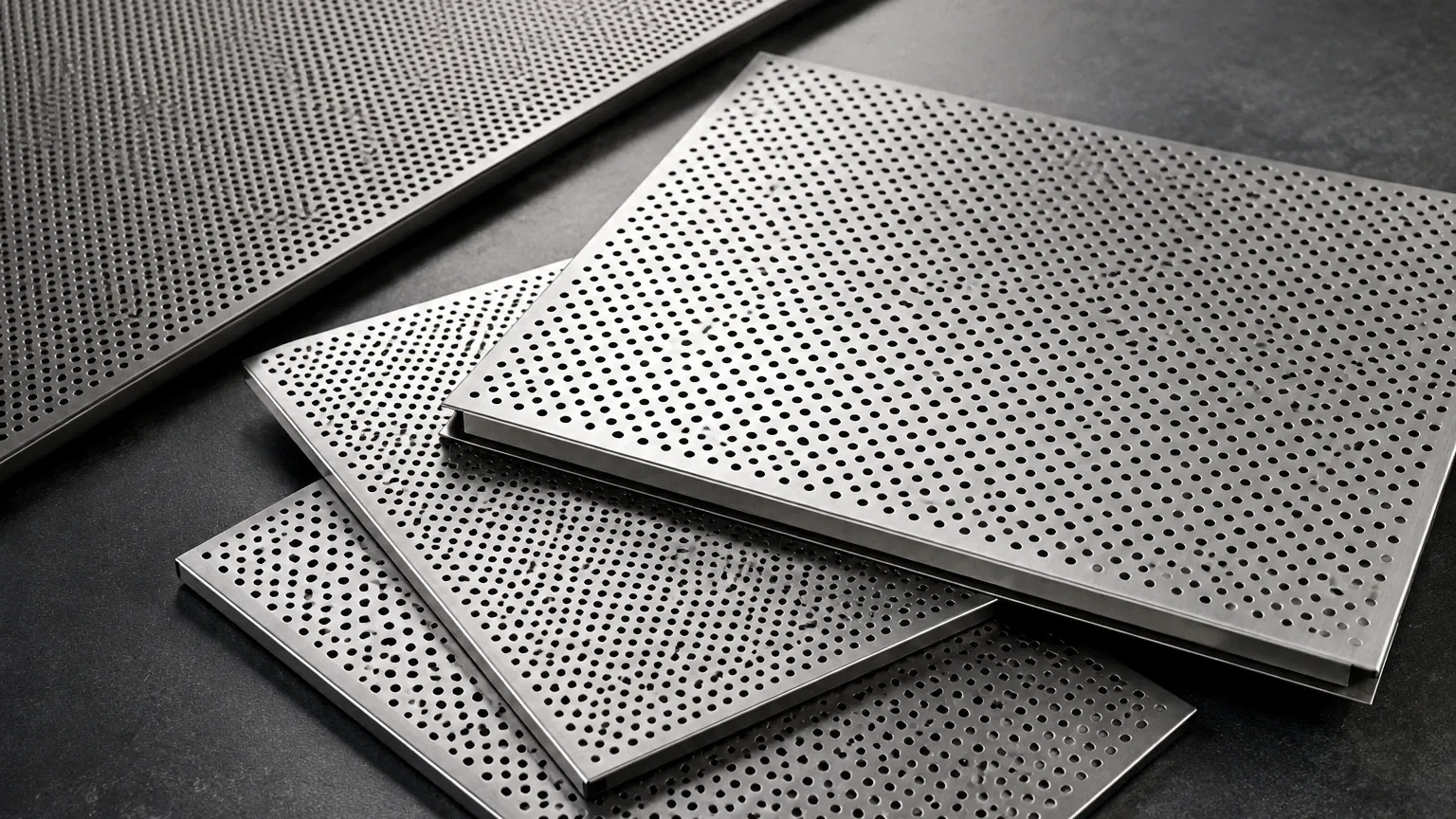
The primary appeal of sas perforated metal ceiling tiles lies in their versatility and the precision of their manufacture. These tiles are typically produced from high-grade aluminum, galvanized steel, or stainless steel. The perforation process involves CNC punching or laser cutting, allowing for a wide variety of patterns that serve both functional and decorative purposes.
From an engineering perspective, the perforation pattern is not merely a design choice; it dictates the "open area" of the tile. The open area percentage is a critical metric that influences airflow, light transmission, and acoustic transparency. For instance, a tile with a 25% open area will behave differently in an HVAC-integrated plenum than one with a 10% open area. Engineers must calculate the pressure drop across the ceiling surface to ensure that air distribution remains uniform and that the mechanical systems are not overworked.
Furthermore, the structural rigidity of the tile is influenced by the margins—the unperforated areas around the edges. Proper margin design ensures that the tiles do not sag over time, maintaining a flat, professional appearance across large spans. This is particularly important in high-traffic commercial zones or industrial facilities where vibrations or pressure fluctuations are common.
Material Selection and Corrosion Resistance
When specifying sas perforated metal ceiling tiles, material selection is the first line of defense against environmental degradation. The choice of metal is usually determined by the specific conditions of the installation site:
1. Aluminum: Preferred for its lightweight properties and natural resistance to corrosion. Aluminum tiles are ideal for large-scale installations where reducing the dead load on the building structure is a priority. They are also highly recyclable, aligning with modern sustainability requirements.
2. Galvanized Steel: Offers high strength and impact resistance at a lower cost point than stainless steel. The zinc coating provides a sacrificial layer of protection against oxidation, making it suitable for standard commercial interiors.
3. Stainless Steel (304 or 316 Grade): For environments such as chemical processing plants, food and beverage facilities, or pharmaceutical labs, stainless steel is the gold standard. It offers superior resistance to corrosive vapors and can withstand rigorous cleaning protocols involving harsh chemicals.
Kaifil’s expertise in manufacturing stainless steel filtration solutions informs our approach to Perforated & Expanded Metal. We recognize that in industrial settings, the longevity of a metal component is directly tied to the quality of the alloy and the precision of the surface finish. Whether the application is a ceiling tile or a high-pressure filter cartridge, the material must remain stable under stress.
Acoustic Performance and Open Area Calculations
One of the most significant technical challenges in large open-plan spaces is noise control. Sas perforated metal ceiling tiles are frequently utilized to manage acoustics by allowing sound waves to pass through the perforations into an absorbent backing material, such as a non-woven acoustic fleece or mineral wool pad.
The Noise Reduction Coefficient (NRC) of a ceiling system is heavily dependent on the perforation pattern. A standard 2.5mm hole with a 5mm pitch in a staggered layout is a common configuration that provides an excellent balance between structural strength and acoustic transparency.
Engineers must consider the following when evaluating acoustic performance:
* Hole Diameter: Smaller holes (micro-perforations) can provide high NRC values while appearing almost solid from a distance.
* Pitch: The distance between the centers of the holes determines the density of the pattern.
* Backing Density: The thickness and density of the acoustic insert behind the metal tile determine how much sound energy is converted into heat and dissipated.
In industrial environments where machinery noise is a constant factor, optimizing these variables is essential for worker safety and compliance with noise regulation standards.
Installation Methods and Structural Integrity
The method by which sas perforated metal ceiling tiles are secured to the building structure is as important as the tiles themselves. There are several common suspension systems, each offering different levels of accessibility and visual impact:
Clip-in Systems
Clip-in systems use a concealed grid where the tiles are snapped into a spring tee runner. This creates a monolithic appearance with very tight joints. From a maintenance perspective, clip-in systems are advantageous because they are secure and cannot be easily displaced by upward air pressure, making them suitable for high-pressure environments or cleanrooms.
Lay-in Systems
In a lay-in system, the tiles sit on an exposed or recessed T-grid. This is the most common installation method due to its simplicity and the ease with which maintenance teams can access the plenum space above the ceiling. However, in areas with high airflow, "hold-down clips" may be required to prevent the tiles from lifting.
Hook-on Systems
Hook-on systems are typically used for large-format tiles or planks. They provide a high level of security and are often used in infrastructure projects like airports or railway stations where vibration resistance is paramount.
Regardless of the system, the integration of Perforated & Expanded Metal requires precise edge detailing to ensure that the tiles seat correctly and do not rattle. Engineering teams must confirm the load-bearing capacity of the suspension grid, especially when heavy acoustic insulation or integrated lighting fixtures are added to the system.
Customization Options for Industrial and Commercial Applications
No two industrial facilities have the exact same requirements. Customization is often necessary to accommodate specific building geometries or functional needs. Sas perforated metal ceiling tiles can be customized in several ways:
* Bespoke Perforation Patterns: Beyond standard round holes, square, slotted, or hexagonal patterns can be engineered to meet specific airflow or aesthetic requirements.
* Integrated Services: Tiles can be factory-cut to accommodate sprinklers, smoke detectors, and HVAC diffusers, ensuring a clean finish and reducing on-site labor costs.
* Specialized Coatings: While powder coating is standard for color, specialized antimicrobial coatings can be applied for healthcare or food processing environments to inhibit the growth of pathogens.
At Kaifil, our focus on OEM and customized filtration components translates directly into our ability to support complex metal fabrication needs. We understand that a "standard" solution is not always sufficient for demanding industrial environments. By providing precision-engineered Perforated & Expanded Metal products, we help our clients achieve the exact filtration or architectural performance they require.
Maintenance and Longevity in Demanding Environments
The total cost of ownership (TCO) is a critical metric for any facility manager. One of the primary advantages of sas perforated metal ceiling tiles over traditional materials is their longevity. Metal tiles do not chip, crack, or stain in the same way that mineral fiber boards do. They are also moisture-resistant, which prevents sagging and mold growth in humid environments.
Cleaning Protocols
In industrial settings, dust and particulate matter can accumulate on the surface of the tiles and within the perforations. Because these tiles are typically finished with a durable polyester powder coating or are made of stainless steel, they can be cleaned with a damp cloth and mild detergents. In sterile environments, they can withstand more aggressive disinfection cycles.
Replacement Cycles
While the initial capital expenditure for metal ceiling tiles is higher than for acoustic boards, the replacement cycle is significantly longer. A well-maintained metal ceiling system can last the lifetime of the building’s interior fit-out, often 20 to 25 years or more. This durability reduces the long-term waste and labor costs associated with frequent tile replacements.
Key Considerations Before Purchasing
Before finalizing a specification for sas perforated metal ceiling tiles, engineers and purchasing teams should confirm the following technical details with their supplier:
1. Fire Rating: Ensure the system (including the acoustic backing) meets local fire safety regulations, such as Class A or Euroclass A1/A2 standards.
2. Compatibility: Verify that the tile dimensions and edge details are compatible with the intended suspension grid.
3. Load Testing: Confirm that the tiles can support any integrated equipment without excessive deflection.
4. Material Traceability: For pharmaceutical or food-grade applications, ensure that the metal alloys used have the necessary certifications and traceability.
By focusing on these factual boundaries, project teams can ensure that their ceiling system performs as intended, providing a safe, functional, and durable environment for industrial operations.
The Role of Precision Manufacturing
The quality of a perforated metal product is fundamentally a result of the manufacturing process. Precision in hole alignment, consistency in sheet thickness, and the absence of burrs or sharp edges are all hallmarks of high-quality metalwork. These factors are especially important when Perforated & Expanded Metal is used in sensitive applications where airflow turbulence or particulate trapping must be minimized.
Kaifil’s commitment to quality and durability in the filtration industry extends to all our metal fabrication projects. We work closely with global customers to develop components that meet specific application requirements, ensuring that every piece of metal we produce—whether it’s a filter cartridge or a specialized architectural component—delivers dependable performance in demanding environments. By combining manufacturing expertise with engineering knowledge, we support our clients in achieving efficient and cost-effective solutions for their most challenging projects.
