


Strainers for Flour
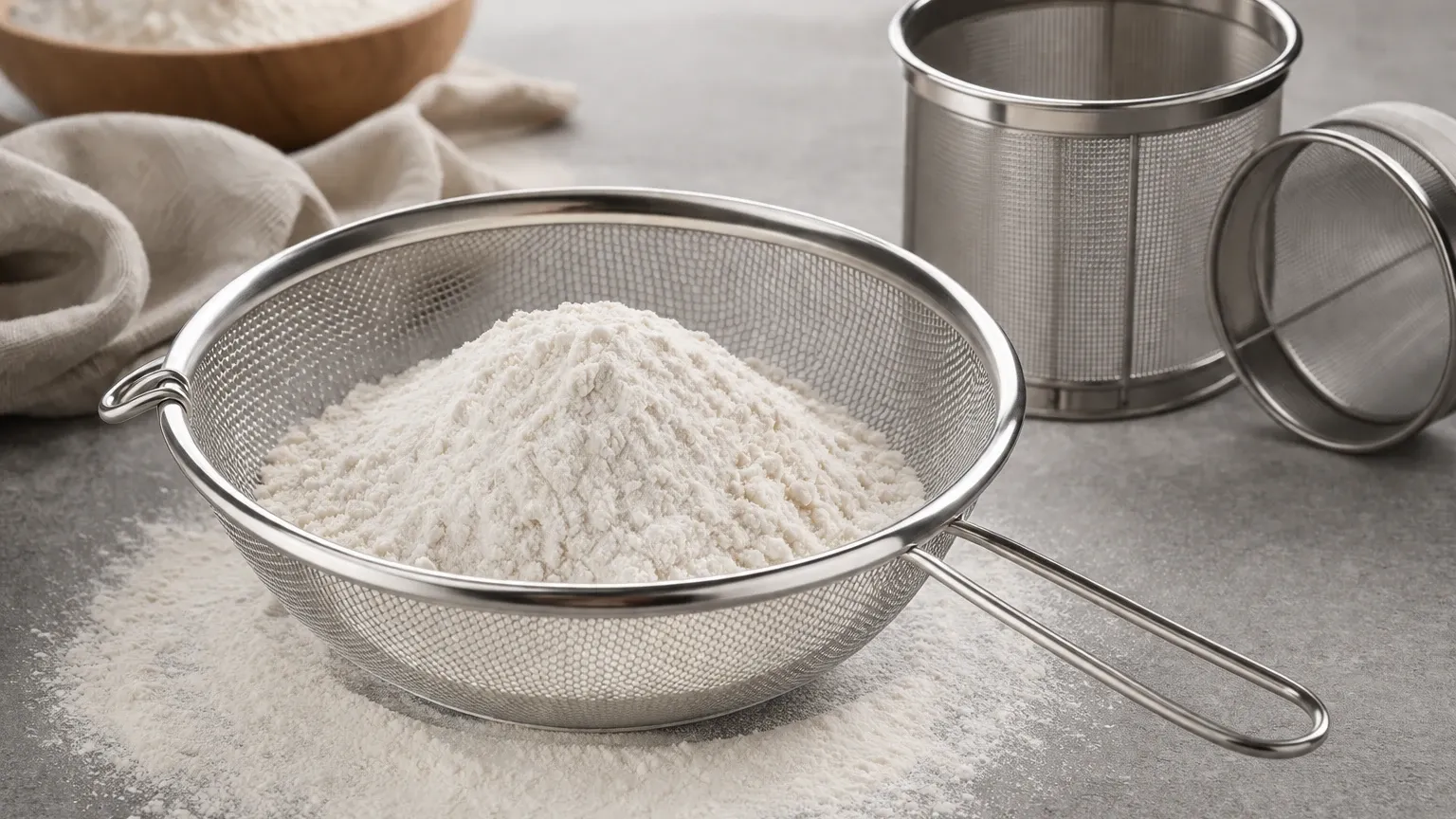
In industrial food processing, the integrity of powdered ingredients is a critical factor in both product quality and equipment longevity. Flour, being a staple ingredient across the global food and beverage sector, presents unique challenges due to its hygroscopic nature, particle size variability, and the risk of foreign body contamination. Utilizing high-quality Strainers & Baskets is the primary method for ensuring that flour remains free of clumps, insects, and industrial debris before it enters the mixing or packaging stages.
Selecting the correct strainers for flour requires an understanding of material science, mesh geometry, and the mechanical stresses of high-volume production lines. This article examines the technical specifications and engineering considerations necessary for implementing effective filtration in flour processing environments.
Technical Requirements for Flour Filtration
Industrial flour processing is governed by strict hygiene standards and specific physical requirements. Unlike liquid filtration, powder sifting and straining must account for the flowability of the material and the potential for "blinding"—a condition where particles lodge in the mesh openings, significantly reducing throughput.
Material Selection and Food Safety
For any application involving food products, the material of construction is the first consideration. Stainless steel 304 and 316L are the industry standards. 316L is often preferred in environments where moisture or cleaning chemicals are prevalent due to its superior corrosion resistance. These materials are non-reactive, easy to sanitize, and meet FDA and EU food contact regulations.
Mesh Count and Micron Ratings
The "fineness" of a strainer is determined by its mesh count—the number of wires per linear inch. For flour, the mesh count typically ranges from 20 to 100, depending on the specific type of flour (e.g., whole wheat vs. cake flour) and the stage of processing.
* Coarse Straining (20-40 mesh): Used for initial bulk handling to remove large debris or clumps from silos.
* Fine Straining (60-100 mesh): Used just before packaging or mixing to ensure a smooth texture and remove smaller contaminants.
Engineers must balance the need for fine filtration with the requirement for high flow rates. A finer mesh increases filtration accuracy but also increases the resistance to flow, requiring more frequent cleaning or higher pressure in pneumatic systems.
Engineering Considerations for Strainers & Baskets
When designing or selecting Strainers & Baskets for flour, the physical structure of the filter element is as important as the mesh itself. In industrial settings, these components must withstand constant vibration, pressure fluctuations, and abrasive wear.
Structural Reinforcement
Fine wire mesh is inherently delicate. In high-capacity flour lines, the mesh is often supported by a perforated metal basket. This "dual-layer" design allows the fine mesh to perform the filtration while the perforated plate provides the structural rigidity needed to prevent the mesh from collapsing or deforming under the weight of the flour or the force of air pressure.
Open Area Percentage
The efficiency of a strainer is largely defined by its "open area"—the ratio of the total area of the holes to the total area of the mesh. For flour, a high open area is desirable to maintain high throughput. However, increasing the open area often means using thinner wires, which can reduce the lifespan of the strainer. Engineering a balance between wire diameter and aperture size is critical for optimizing the total cost of ownership.
Seamless Construction
To prevent bacterial growth and cross-contamination, strainers used for flour must feature smooth, high-quality welds. Any crevices, pits, or rough edges can trap flour particles, which may then spoil or harbor pests. Electropolishing is often employed to achieve a mirror-like finish, ensuring that the surface is easy to clean and that flour flows across it with minimal friction.
Challenges in Flour Straining: Blinding and Moisture
One of the most significant operational challenges when using strainers for flour is mesh blinding. Because flour is a fine powder, it can easily bridge across the wires of the mesh, especially if the moisture content of the flour or the ambient humidity is high.
Managing Moisture Content
Flour is hygroscopic, meaning it absorbs moisture from the air. When moisture levels rise, flour particles become "sticky," leading to rapid blinding of the strainer. In such cases, standard static strainers may require mechanical assistance. This is why many industrial flour strainers are integrated into vibratory sifters or centrifugal sifters. The vibration or centrifugal force helps break the surface tension and forces the flour through the mesh, maintaining a consistent flow rate.
Anti-Blinding Technologies
For particularly difficult applications, engineers may specify specialized mesh coatings or use "ball cleaners"—small food-grade rubber balls that bounce against the underside of the mesh to dislodge trapped particles. Understanding the specific moisture profile of the flour being processed is essential for determining whether these additional features are necessary.
Integration into Production Lines
Strainers for flour are not standalone components; they must be integrated into larger pneumatic or gravity-fed systems. The placement of the strainer determines its primary function.
Intake and Silo Discharge
At the point of delivery, strainers are used to protect the facility from external contaminants. These are usually heavy-duty basket strainers designed to capture large objects like pieces of shipping pallets, plastic liners, or stones that may have entered the supply chain during transport.
In-Line Pneumatic Straining
In many modern bakeries and food plants, flour is moved via pneumatic conveying systems. In-line strainers must be designed to handle the pressure of these systems without leaking. These strainers often feature quick-release couplings to allow for rapid inspection and cleaning without significant downtime.
Final Safety Sifting
Before the flour enters the final mixer or the retail packaging machine, a final safety strainer is used. This is the last line of defense. The goal here is 100% purity. These strainers are often checked multiple times per shift, and any debris found is analyzed to identify potential equipment failure upstream (such as a failing bearing or a worn seal).
Maintenance and Replacement Cycles
The durability of Strainers & Baskets is a major factor in the operational budget of a flour mill or food processing plant. While stainless steel is durable, the constant abrasion of flour particles will eventually wear down the wires of the mesh.
Inspection Protocols
Regular inspection is mandatory. Technicians should look for:
* Wire Breakage: Even a single broken wire can allow oversized contaminants to pass through and may eventually lead to pieces of the mesh itself entering the product.
* Gasket Integrity: The seals between the strainer and the housing must be intact to prevent bypass.
* Deformation: If a basket is misshapen, it may not sit correctly in the housing, leading to uneven wear and potential leaks.
Cleaning Procedures
Cleaning strainers for flour should ideally be a dry process. Using water can create a paste that is difficult to remove and can lead to mold if not dried perfectly. Compressed air and soft-bristle brushes are the preferred tools for routine cleaning. If a deep clean is required (for example, during a product changeover), the components should be washed, sanitized, and then thoroughly dried in a controlled environment before being re-installed.
Selecting a Manufacturer for Custom Solutions
Standard off-the-shelf strainers may not always meet the specific requirements of a high-volume flour processing facility. Factors such as unique pipe diameters, specific flow rate requirements, or space constraints often necessitate custom-engineered solutions.
When evaluating a manufacturer for flour filtration components, engineers should confirm the following:
* Customization Capabilities: Can the manufacturer adjust the mesh-to-support-plate ratio to handle specific pressure drops?
* Material Certification: Can they provide full traceability for the stainless steel used, ensuring it meets food-grade standards?
* Engineering Support: Does the manufacturer understand the nuances of powder dynamics versus liquid filtration?
By focusing on these technical details, procurement teams can ensure they are investing in filtration solutions that protect their brand reputation, ensure consumer safety, and optimize production efficiency. High-quality Strainers & Baskets are not merely consumables; they are critical components of a robust food safety and quality assurance program.
