


Gutter Downspout Strainers
In industrial and commercial facility management, the integrity of a building's drainage system is a critical factor in maintaining operational continuity and structural health. Gutter downspout strainers serve as the primary line of defense against debris that can compromise these systems. While often overlooked as simple hardware, in an industrial context, these components must meet rigorous engineering standards to handle high-volume runoff, corrosive environments, and heavy particulate loads.
For engineers and procurement professionals, selecting the right filtration component involves more than matching a diameter. It requires an understanding of fluid dynamics, material science, and the specific demands of the facility's environment. As a specialized manufacturer of Strainers & Baskets, Kaifil provides the technical insight necessary to integrate high-performance filtration solutions into industrial drainage architectures.
The Role of Downspout Strainers in Industrial Filtration
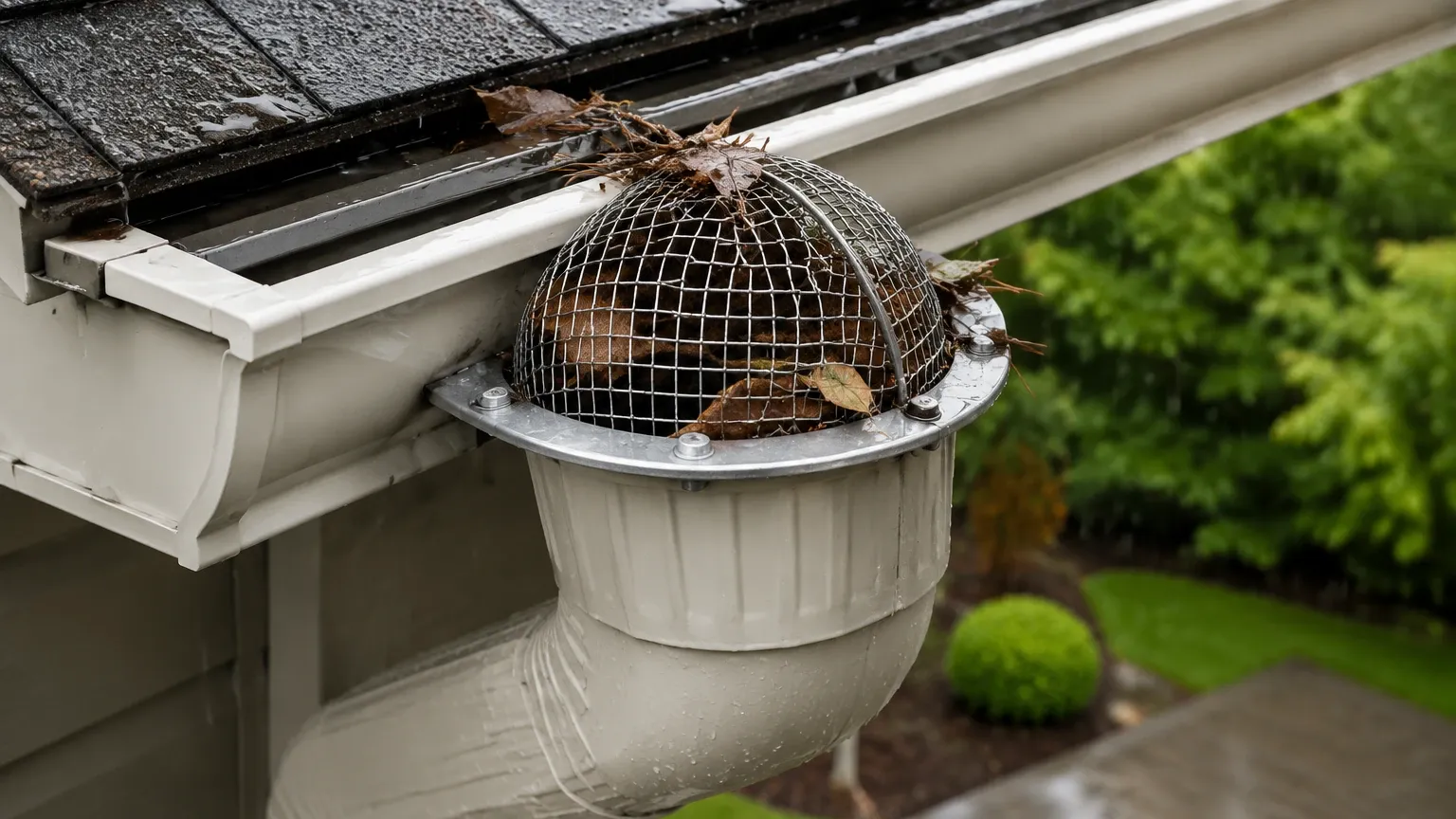
Industrial gutter downspout strainers are categorized under the broader umbrella of basket-style filters. Their primary function is to prevent solid matter—such as leaves, twigs, nesting materials, and industrial particulates—from entering the underground piping system. In a residential setting, a clog might lead to a minor overflow; in an industrial setting, a failure in the drainage system can result in significant property damage, production downtime, and environmental compliance issues.
When integrated into a comprehensive water management strategy, these strainers act as a pre-filtration stage. By capturing larger debris at the point of entry, they protect downstream components like oil-water separators, retention ponds, and municipal sewer connections. This reduces the frequency of expensive hydro-jetting and manual pipe cleaning services, effectively lowering the total cost of ownership for the facility’s infrastructure.
Material Selection: Engineering for Longevity
The choice of material is perhaps the most critical decision in the procurement of gutter downspout strainers. In industrial environments, exposure to UV radiation, temperature fluctuations, and chemical pollutants necessitates materials that offer superior durability compared to standard residential plastics or thin-gauge aluminum.
Stainless Steel (Grade 304 and 316)
Stainless steel is the industry standard for high-performance filtration.
* Grade 304: Offers excellent resistance to oxidation and corrosion in most atmospheric conditions. It is the most common choice for standard industrial facilities where chemical exposure is minimal.
* Grade 316: Contains molybdenum, which provides enhanced resistance to chlorides and industrial chemicals. This grade is essential for facilities located in coastal regions or those involved in chemical processing where acidic or saline runoff is expected.
Wire Mesh vs. Perforated Metal
Industrial strainers are often constructed using either woven wire mesh or perforated metal sheets.
* Wire Mesh: Provides a higher percentage of open area, which is crucial for maintaining high flow rates during heavy rainfall. Kaifil’s expertise in precision wire mesh allows for the creation of strainers that balance structural rigidity with maximum throughput.
* Perforated Metal: Offers superior mechanical strength and is less likely to be deformed by heavy debris or ice buildup. However, the open area is generally lower than that of wire mesh, requiring careful calculation of the drainage capacity.
Technical Specifications and Flow Dynamics
When specifying gutter downspout strainers, engineers must consider the relationship between filtration accuracy and flow capacity. A strainer with an excessively fine mesh will capture more debris but may also become a bottleneck during a storm, leading to gutter overflow.
Open Area Ratio
The open area ratio is the percentage of the strainer's surface that allows water to pass through. For industrial applications, a high open area is preferred to accommodate peak flow rates. Engineers should calculate the maximum expected rainfall intensity for their region and ensure the strainer’s effective open area can handle the resulting volume even when partially obscured by debris.
Filtration Accuracy (Aperture Size)
The aperture size determines the smallest particle the strainer will capture. In industrial settings, this is often dictated by the requirements of downstream equipment. If the runoff is being directed into a sensitive treatment system, a finer mesh may be required. Conversely, for general drainage, a larger aperture is often sufficient to prevent pipe blockages while minimizing maintenance frequency.
Customization and OEM Integration
Standard off-the-shelf strainers rarely meet the specific requirements of complex industrial rooflines. Customization is often necessary to ensure a perfect fit and optimal performance. As an OEM manufacturer, Kaifil specializes in tailoring filtration components to meet unique engineering specifications.
Dimensional Customization
Industrial downspouts come in various shapes and sizes, from standard rectangular configurations to large-diameter circular pipes. Custom-fabricated strainers ensure a snug fit that prevents debris from bypassing the filter through gaps at the edge of the downspout entry.
Mounting and Structural Reinforcement
In areas prone to high winds or heavy snow loads, strainers must be securely anchored. Custom designs can include integrated mounting brackets, reinforced base plates, or internal support structures to prevent the strainer from being dislodged or crushed under pressure. Furthermore, specialized finishes or coatings can be applied to enhance the material's natural resistance to specific environmental stressors.
Maintenance Protocols and Replacement Cycles
No filtration system is "set and forget." The performance of gutter downspout strainers is directly linked to a regular maintenance schedule. In industrial environments, these schedules should be formalized as part of the facility’s preventative maintenance program.
1. Visual Inspections: Should be conducted quarterly and after every major weather event. Inspectors should look for debris accumulation, signs of mechanical deformation, and any evidence of corrosion.
2. Cleaning Cycles: Debris should be removed manually to prevent compaction. In some cases, high-pressure air or water can be used to clear fine particulates from the mesh or perforations.
3. Replacement Indicators: While stainless steel strainers are designed for long-term use, they should be replaced if there is significant structural damage, persistent clogging that cannot be cleaned, or if the material shows signs of pitting or stress-corrosion cracking.
By choosing high-quality materials and robust designs, facilities can extend replacement cycles significantly, moving from an annual replacement of cheap components to a multi-year or even decadal lifecycle for premium stainless steel solutions.
Risk Assessment: The Cost of Failure
Analyzing the risks associated with inadequate downspout filtration highlights the importance of professional-grade components. A failed or clogged strainer can lead to several cascading issues:
* Foundation Damage: Water overflowing from gutters pools at the base of the building, potentially leading to foundation cracks, soil erosion, and basement flooding.
* Roof Overloading: If water cannot escape through the downspouts, it backs up onto the roof. The weight of standing water can exceed the structural design limits of the roof, leading to collapses or leaks.
* Environmental Non-Compliance: Unfiltered runoff carrying industrial debris into municipal systems can result in heavy fines and legal liabilities under the Clean Water Act or similar local regulations.
Investing in high-quality Strainers & Baskets is a proactive measure that mitigates these risks, ensuring that the facility remains compliant and structurally sound.
Procurement Checklist for Engineers
Before finalizing a purchase order for industrial gutter downspout strainers, technical teams should confirm the following data points with their supplier:
* Material Grade: Is the stainless steel grade (304 vs. 316) appropriate for the specific chemical and atmospheric environment of the site?
* Flow Rate Verification: Does the strainer’s open area ratio align with the peak rainfall calculations for the facility’s geographic location?
* Interface Compatibility: Does the strainer design account for the specific dimensions and mounting requirements of the existing gutter and downspout system?
* Structural Integrity: Can the strainer withstand the expected mechanical loads, including debris impact and ice accumulation?
* Maintenance Requirements: Is the strainer designed for easy access and cleaning by facility staff?
Conclusion
Gutter downspout strainers are essential components of an industrial facility's water management system. By moving beyond generic hardware and focusing on engineered filtration solutions, procurement and engineering teams can protect their infrastructure from the multifaceted risks of poor drainage. Kaifil’s commitment to precision manufacturing and material quality ensures that every strainer provides the durability and performance required for the most demanding industrial applications. Whether through standard designs or custom OEM solutions, selecting the right filtration partner is the first step toward a resilient and efficient facility.
