


Non Toxic Strainers
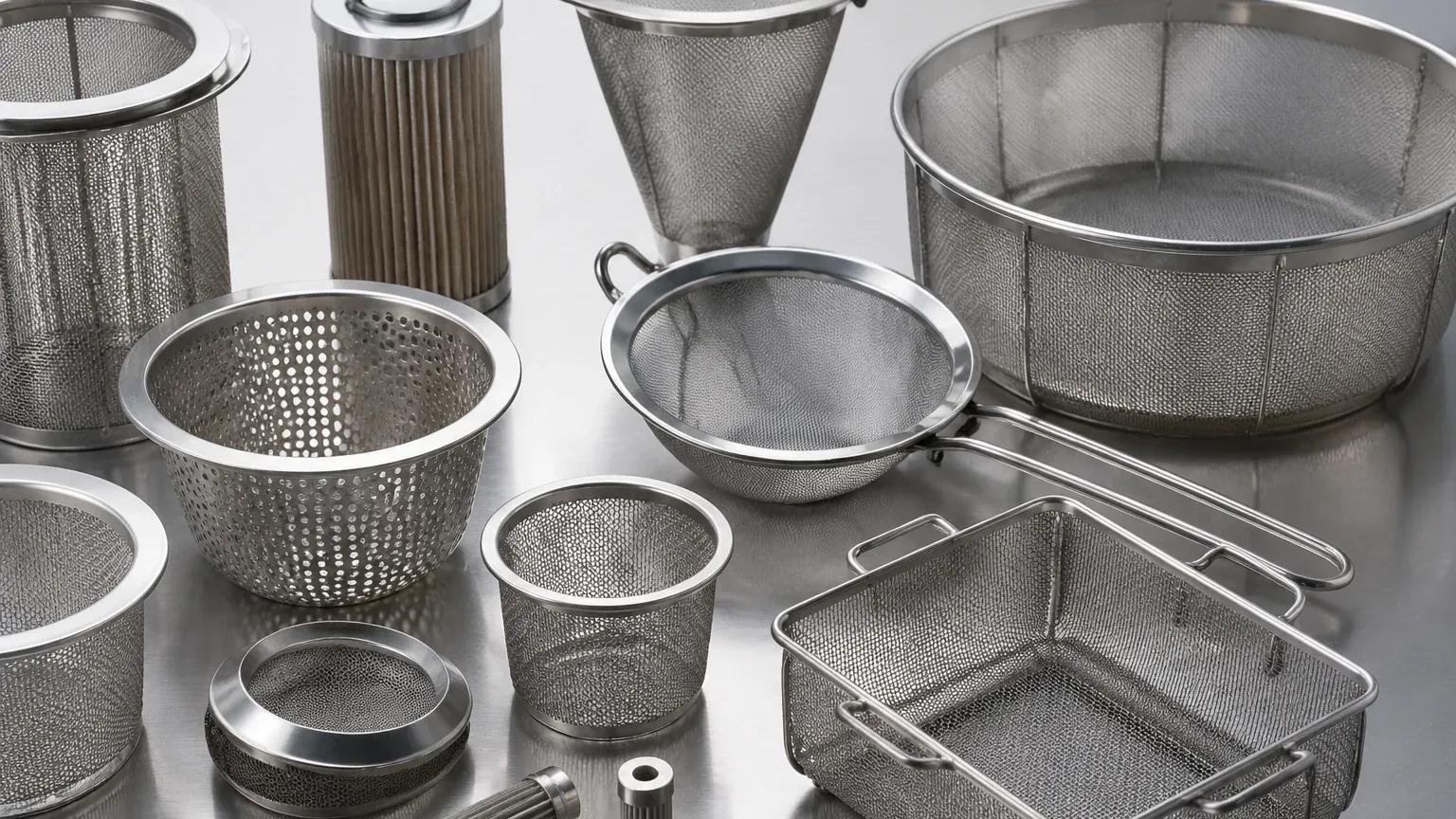
In industrial processing, the term "non-toxic" extends far beyond simple safety labels; it represents a rigorous engineering standard focused on material inertness, chemical stability, and the prevention of contaminant migration. For engineers and procurement specialists in the food, beverage, pharmaceutical, and chemical sectors, selecting non toxic strainers is a critical step in ensuring product purity and regulatory compliance. These components, often categorized under high-precision Strainers & Baskets, serve as the primary defense against particulate contamination while maintaining a surface environment that does not react with or leach harmful substances into the process stream.
Achieving a non-toxic filtration environment requires a deep understanding of metallurgy, surface finishing, and mechanical design. This guide explores the technical requirements for industrial strainers intended for sensitive applications, focusing on how material selection and manufacturing precision contribute to a safe, high-performance processing line.
The Role of Material Integrity in Non Toxic Strainers
The foundation of any non-toxic filtration system is the base material. In industrial environments, stainless steel is the gold standard due to its corrosion resistance and durability. However, not all grades of stainless steel are suitable for applications requiring non-toxic performance.
Stainless Steel 316L: The Industry Standard
While 304-grade stainless steel is common in general industrial use, 316L is typically required for non toxic strainers in pharmaceutical and food processing. The "L" denotes low carbon content, which minimizes carbide precipitation during welding, thereby preventing intergranular corrosion. The addition of molybdenum in 316L provides superior resistance to chlorides and acidic cleaning agents, ensuring that the metal does not pit or degrade over time. If a strainer surface begins to pit, it creates microscopic pockets where bacteria can colonize, or where heavy metals can leach into the fluid, compromising the non-toxic status of the equipment.
Avoiding Material Migration
In B2B applications, toxicity is often measured by "migration limits"—the amount of material that can transfer from the equipment to the product. High-quality Strainers & Baskets are manufactured using certified alloys that meet international standards such as ASTM or EN. This ensures that the chromium, nickel, and other alloying elements remain bound within the metal matrix even under high-pressure or high-temperature conditions.
Engineering Standards for Industrial Strainers & Baskets
A strainer is only as safe as its weakest weld or tightest corner. For a component to be considered truly non-toxic and sanitary, its physical design must facilitate complete cleaning and prevent the accumulation of process media.
Sanitary Design and Dead Zones
Engineers must evaluate the geometry of the strainer basket. Standard industrial strainers may have sharp internal corners or overlapping joints that are difficult to sterilize. Non toxic strainers utilize radiused corners and smooth transitions. By eliminating "dead zones" where fluid stagnates, manufacturers reduce the risk of microbial growth and cross-contamination between batches. This is particularly vital in the dairy and pharmaceutical industries, where even trace amounts of organic residue can lead to toxic byproduct formation.
Precision Mesh and Perforation
The filtration media within the basket—whether it is woven wire mesh, wedge wire, or perforated plate—must be structurally sound. In inferior products, wire mesh can fray or shed small metal fragments into the process stream. High-performance Strainers & Baskets utilize advanced welding techniques, such as TIG (Tungsten Inert Gas) or plasma welding, to secure the mesh without the use of toxic fluxes or lead-based solders. This ensures the mechanical integrity of the filter while maintaining a pure flow path.
Regulatory Compliance and Certification
When sourcing non toxic strainers, technical documentation is as important as the physical product. Compliance with global health and safety standards provides the necessary assurance that the equipment is fit for purpose.
1. FDA Compliance: Materials used in the construction of the strainer, including the metal and any gaskets or seals, must be FDA-compliant for food contact. This ensures that the materials are generally recognized as safe (GRAS).
2. 3-A Sanitary Standards: In the United States, 3-A certification is a key indicator of sanitary design. It dictates specific surface finishes and construction methods that prevent contamination.
3. EU Regulation 1935/2004: For those operating in the European market, this regulation governs materials intended to come into contact with food, ensuring they do not transfer their constituents to food in quantities which could endanger human health.
4. USP Class VI: In pharmaceutical applications, the non-metallic components of a strainer (such as O-rings) often require USP Class VI certification to prove they have undergone rigorous biocompatibility testing.
Surface Treatment and Passivation
The "non-toxic" nature of a stainless steel strainer is significantly enhanced by its surface finish. Raw stainless steel often has microscopic irregularities that can trap contaminants. To mitigate this, manufacturers employ several surface treatment processes.
Electropolishing
Electropolishing is an electrochemical process that removes a thin layer of material from the surface of the strainer. This results in a mirror-like finish with a very low Ra (Roughness Average) value. A smoother surface is not only easier to clean but also more resistant to corrosion, as it removes surface impurities and creates a uniform oxide layer. For many pharmaceutical applications, an Ra of 0.5 μm or less is required to ensure the component remains non-toxic and hygienic.
Passivation
Passivation is a chemical treatment, typically using nitric or citric acid, that removes free iron from the surface of the stainless steel. Free iron can lead to rusting, which is a primary source of toxicity and contamination in fluid systems. By enhancing the protective chrome-oxide layer, passivation ensures the long-term chemical stability of the Strainers & Baskets in demanding environments.
Non-Metallic Components: Gaskets and Seals
A common oversight in the procurement of non toxic strainers is the selection of gaskets and seals. Even if the stainless steel basket is perfectly inert, a toxic or degrading gasket can ruin the entire process.
Industrial strainers often require seals to prevent bypass. For these to be non-toxic, they must be made from high-purity elastomers such as:
* EPDM: Excellent for steam and water applications, providing good chemical resistance.
* PTFE (Teflon): Virtually inert and resistant to almost all chemicals, making it ideal for high-purity pharmaceutical lines.
* Silicone: Often used in food and beverage due to its flexibility and high-temperature tolerance, provided it is platinum-cured to avoid leaching.
Engineers must verify that these components are free from phthalates, bisphenol A (BPA), and other harmful plasticizers that could migrate into the process fluid.
Application-Specific Considerations
The definition of "non-toxic" can vary slightly depending on the industry and the specific media being filtered.
Food and Beverage
In this sector, the focus is often on preventing the growth of pathogens and ensuring that the strainer does not impart any metallic taste or odor to the product. Strainers & Baskets used here must be compatible with Clean-in-Place (CIP) systems, which use caustic chemicals and high-heat cycles to maintain hygiene without disassembling the equipment.
Pharmaceutical and Biotechnology
Here, the requirements are even more stringent. Strainers must be pyrogen-free and capable of withstanding sterilization processes like autoclaving. The focus is on preventing any molecular-level interaction between the filter media and the active pharmaceutical ingredients (APIs).
Water Treatment
For potable water systems, non toxic strainers ensure that no heavy metals or chemical residues are introduced during the filtration of sediments. This is vital for maintaining the safety of municipal and industrial drinking water supplies.
Evaluation Criteria for Purchasing Managers
When evaluating suppliers for non toxic strainers, technical teams should confirm the following details before finalizing a purchase:
* Material Certification: Request Mill Test Reports (MTRs) to verify the exact chemical composition of the stainless steel.
* Surface Finish Verification: Confirm the Ra value and whether the component has undergone electropolishing or passivation.
* Welding Quality: Inquire about the welding standards used. Are the welds ground smooth and polished to match the surrounding surface?
* Gasket Compatibility: Ensure that all non-metallic parts are made from FDA-approved or USP Class VI materials suitable for the process temperature and chemistry.
* Customization Options: Does the manufacturer offer customized Strainers & Baskets to fit existing housing while maintaining sanitary standards?
Conclusion
Selecting non toxic strainers is a multifaceted engineering challenge that involves balancing material science, mechanical design, and regulatory compliance. By prioritizing high-grade materials like 316L stainless steel, insisting on superior surface finishes, and ensuring all components meet relevant safety certifications, industrial operators can protect their product integrity and consumer safety.
Investing in precision-engineered Strainers & Baskets is not merely a compliance measure; it is a strategic decision that reduces the risk of batch loss, extends equipment lifespan, and lowers the total cost of ownership by simplifying cleaning and maintenance protocols. For demanding industrial environments, working with a manufacturer that understands these technical boundaries is essential for achieving reliable, non-toxic filtration performance.
