


Strainer Oil Pump
In industrial fluid handling, the integrity of a pumping system is directly dependent on the quality of the fluid entering the intake. A strainer oil pump configuration—referring to the integration of a specialized straining component at the pump’s suction or discharge side—serves as the primary defense against particulate contamination. For engineers and maintenance professionals in the chemical processing, hydraulic, and power generation sectors, understanding the technical nuances of these components is essential for optimizing system uptime and preventing catastrophic mechanical failure.
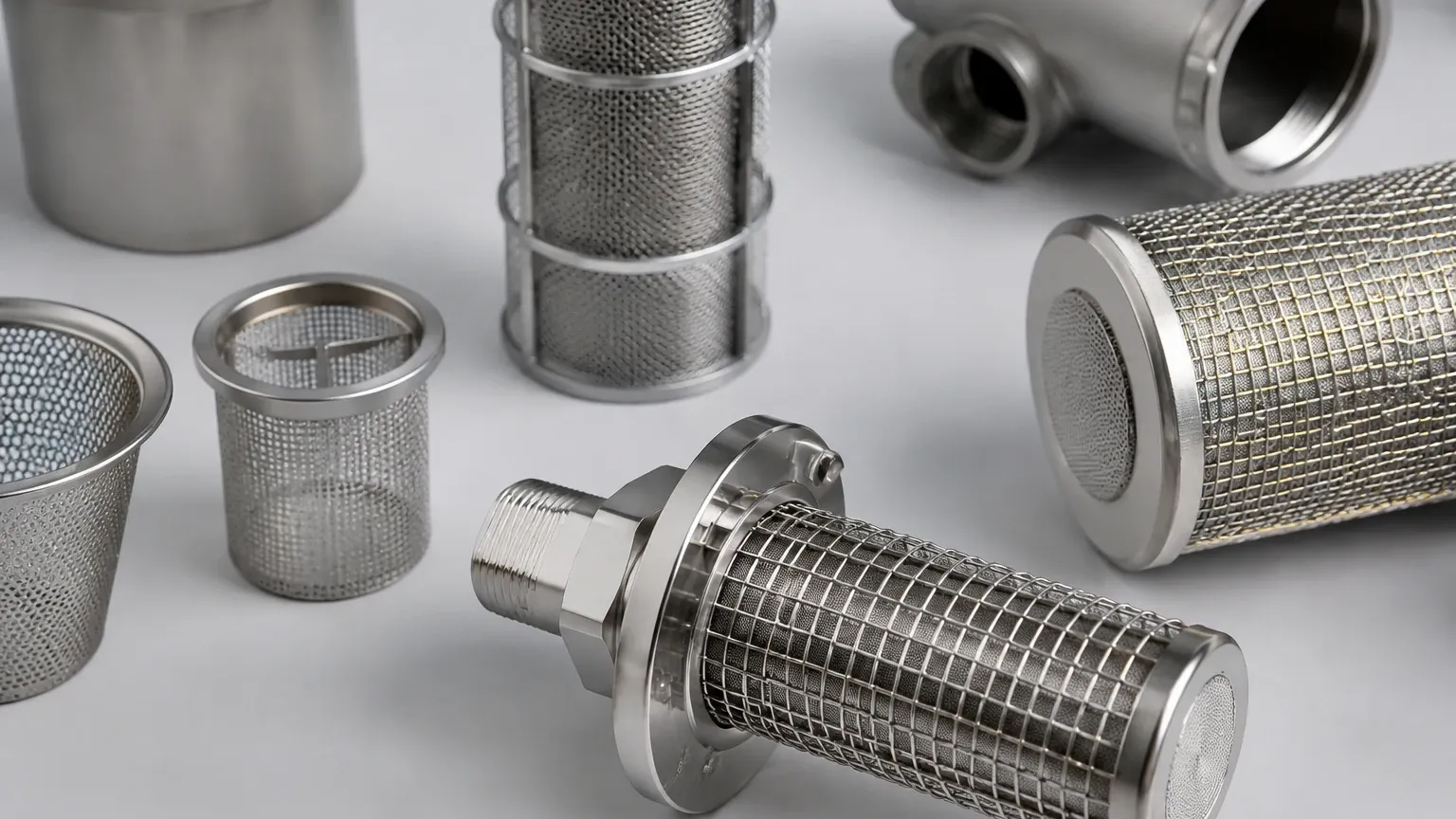
Industrial oil pumps, whether centrifugal, gear, or vane types, are precision-engineered machines with tight internal tolerances. The introduction of even small amounts of debris, such as metal shavings, scale, or environmental contaminants, can lead to abrasive wear, seal damage, and eventual pump seizure. The application of high-quality Strainers & Baskets ensures that the oil remains within the required cleanliness levels, thereby extending the service life of the entire hydraulic or lubrication circuit.
The Functional Role of Strainers in Oil Pump Systems
The primary function of a strainer in an oil pump system is the removal of large solids that could cause immediate mechanical interference. Unlike fine filters, which are designed to capture microscopic particles (often measured in low single-digit microns), a strainer typically handles larger debris. In the context of a strainer oil pump assembly, the device is usually positioned on the suction side (the intake) to protect the pump itself.
Suction strainers are designed with a larger surface area to minimize the risk of flow restriction. Because pumps are sensitive to vacuum conditions at the inlet, any significant resistance caused by a clogged or undersized strainer can lead to cavitation. Cavitation occurs when the pressure of the oil drops below its vapor pressure, forming bubbles that collapse violently against the pump’s internal surfaces, causing pitting and vibration. Therefore, the engineering of the strainer must balance filtration efficiency with the necessity of maintaining a low pressure drop.
Engineering Parameters: Sizing and Micron Ratings
Selecting the correct strainer for an oil pump requires a detailed analysis of the fluid’s physical properties and the system’s operational requirements. The most critical factors include viscosity, flow rate, and the desired micron rating.
Viscosity and Temperature
Oil viscosity varies significantly with temperature. A strainer that performs adequately at an operating temperature of 80°C may cause excessive pressure drop during a cold start when the oil is thick. Engineers must size the strainer based on the maximum viscosity the system will encounter. In heavy industrial applications involving gear oils or crude oil, the open area of the mesh must be significantly larger than that used for water or light solvents to compensate for the higher resistance to flow.
Micron Rating and Mesh Geometry
The "micron rating" refers to the size of the particles the strainer is intended to capture. For oil pump protection, mesh sizes typically range from 40 mesh (approx. 400 microns) to 200 mesh (approx. 74 microns). The choice of weave—such as plain weave, twilled weave, or Dutch weave—affects both the strength of the basket and its flow characteristics. A plain weave offers the most open area, while a Dutch weave provides higher mechanical strength and finer filtration levels for high-pressure oil applications.
Material Integrity: The Case for Stainless Steel
In demanding industrial environments, the material of construction for the strainer is non-negotiable. While plastic or brass strainers may suffice for light-duty commercial use, industrial oil pump systems require the durability of stainless steel. Kaifil specializes in utilizing high-grade alloys like 304 and 316L stainless steel for these components.
Corrosion and Chemical Resistance
Industrial oils often contain additives, or they may be processed in environments where they are exposed to corrosive chemicals. Stainless steel 316L, with its molybdenum content, provides superior resistance to pitting and crevice corrosion, making it ideal for chemical processing and offshore oil and gas applications. Furthermore, stainless steel maintains its structural integrity across a wide temperature spectrum, ensuring the strainer does not warp or degrade when exposed to hot lubricating oils.
Mechanical Strength
Oil pumps can generate significant suction forces and discharge pressures. A strainer basket must be able to withstand the differential pressure (ΔP) that builds up as it captures debris. If a strainer collapses under pressure, the resulting debris—including pieces of the strainer itself—will be pulled directly into the pump, causing far more damage than the original contaminants would have. Stainless steel wire mesh, often reinforced with perforated metal backing, provides the necessary rigidity to prevent such failures.
Types of Strainers & Baskets for Oil Systems
Depending on the system design and the need for continuous operation, several types of Strainers & Baskets are commonly employed in oil pump circuits.
1. Simplex Basket Strainers: These are used in systems where the flow can be intermittently shut down for cleaning. They feature a single basket housed in a canister. They are common in batch processing or lubrication systems with scheduled maintenance windows.
2. Duplex Strainers: For critical oil pump systems that cannot be shut down, duplex strainers are the standard. They consist of two separate strainer housings connected by a diverting valve. When one basket becomes full, the flow is switched to the clean basket, allowing the operator to service the dirty one without interrupting the oil flow.
3. Y-Strainers: Typically used for smaller line sizes or where the amount of debris is expected to be minimal. They are compact and can be installed in either horizontal or vertical pipelines, making them versatile for tight engine rooms or hydraulic power units.
4. T-Type Strainers: These offer a straight-through flow path and are often used in high-velocity oil lines where low pressure drop is a priority.
Operational Challenges: Cavitation and Pressure Drop
The most significant risk associated with a strainer oil pump setup is the increase in differential pressure. As the strainer captures particles, the available flow area decreases, and the pressure drop across the device increases. If this is not monitored, the pump will eventually reach its Net Positive Suction Head Required (NPSHr) limit.
To mitigate this, industrial systems should be equipped with differential pressure gauges or switches. These devices alert operators when the pressure drop reaches a predetermined threshold, indicating that the strainer basket requires cleaning. In automated systems, these switches can trigger a bypass or shut down the pump to prevent cavitation damage.
Engineering the "open area ratio" is another method to combat pressure drop. A well-designed strainer should have an internal surface area several times larger than the cross-sectional area of the inlet pipe. This ensures that even when the mesh is partially blinded by debris, the pump still receives an adequate supply of oil.
Maintenance Protocols and Replacement Indicators
Maintenance of a strainer oil pump system is relatively straightforward but critical. Unlike disposable cartridge filters, stainless steel basket strainers are designed to be cleaned and reused. However, the cleaning process must be handled with care to avoid damaging the precision wire mesh.
Cleaning Procedures
Baskets should be cleaned using compatible solvents or ultrasonic baths to remove stubborn oil residues and embedded particulates. Mechanical scrubbing with wire brushes should be avoided, as it can displace the wires in the mesh, altering the micron rating and creating paths for larger contaminants to pass through.
Inspection for Fatigue
Over time, the constant pressure cycles and potential vibrations in an oil system can lead to metal fatigue. During every cleaning cycle, the strainer should be inspected for broken wires, thinning of the mesh, or damage to the sealing surfaces. A compromised seal allows oil to bypass the strainer entirely, rendering the protection useless. If any structural damage is found, the basket should be replaced immediately with a precision-manufactured OEM component.
Customization and Procurement Considerations
Every industrial oil system has unique requirements based on the pump type, oil grade, and environmental conditions. Off-the-shelf strainers may not always provide the optimal balance of filtration and flow. Customization is often necessary to ensure the strainer fits perfectly within existing piping layouts or meets specific OEM pump specifications.
When sourcing components for a strainer oil pump application, engineers should confirm the following with the manufacturer:
* Connection Standards: Ensure compatibility with ANSI, DIN, or JIS flange standards, or NPT/BSP thread requirements.
* Reinforcement Needs: For high-viscosity or high-pressure applications, specify if the mesh requires a perforated metal support basket.
* Seal Compatibility: Ensure that O-rings or gaskets (Viton, Buna-N, PTFE) are chemically compatible with the specific oil and additives in use.
* Documented Performance: Request pressure drop curves for the specific oil viscosity to verify that the pump's NPSH requirements will be met.
By focusing on these technical details, procurement teams can secure filtration solutions that provide long-term reliability and lower the total cost of ownership by protecting expensive pumping assets from premature wear and unplanned downtime.
