


Offset Grid Strainers
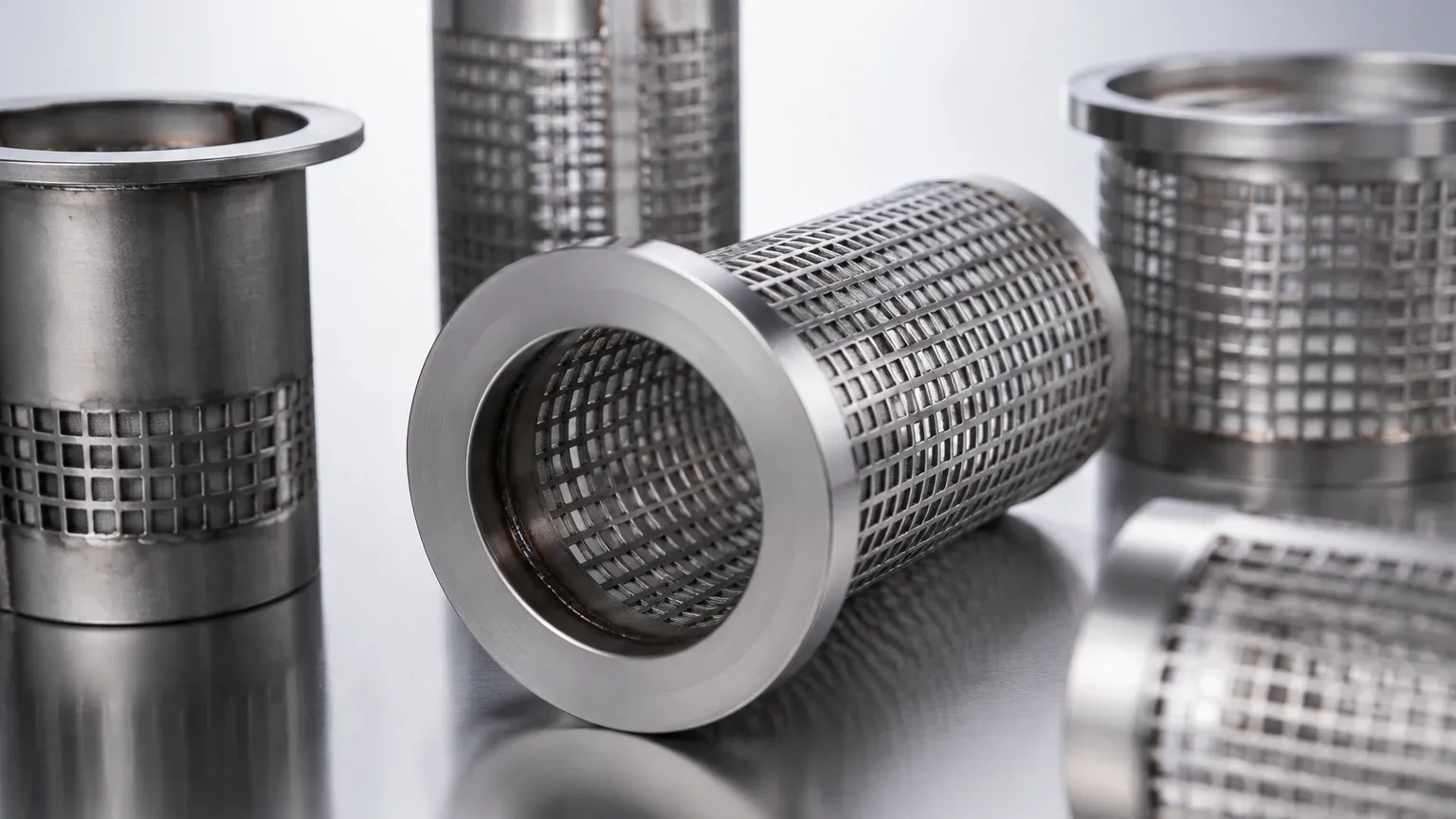
In industrial fluid management, the efficiency of a system often depends on the precision of its smallest components. Among the various configurations of Strainers & Baskets, offset grid strainers represent a specialized solution designed to address specific spatial constraints and flow dynamics. Unlike standard symmetrical strainers, these components are engineered with a grid or drainage pattern that is intentionally displaced from the central axis or configured in a staggered geometry to optimize debris capture while maintaining high flow rates.
For engineers and procurement professionals, selecting the correct strainer configuration is not merely a matter of fitting a part into a pipe; it involves a deep understanding of fluid mechanics, material compatibility, and the long-term operational costs associated with maintenance and downtime. This guide explores the technical nuances of offset grid strainers, their applications across various industries, and the engineering considerations necessary for successful implementation.
Understanding the Offset Grid Design
The term "offset grid" typically refers to the orientation of the filtration surface or the drainage holes relative to the housing or the flow path. In many industrial applications, a standard center-aligned strainer may result in uneven wear, localized clogging, or turbulent flow patterns that can damage downstream equipment like pumps and sensitive valves.
Geometric Advantages
Offset grid strainers are often employed when the inlet and outlet of a filtration system are not on the same horizontal or vertical plane, or when the internal basket must accommodate a specific internal bypass mechanism. The "offset" nature allows for a larger effective filtration area (EFA) within a compact footprint. By staggering the grid pattern, manufacturers can increase the structural integrity of the mesh or perforated plate, preventing the deformation that often occurs under high-pressure differentials.
Flow Dynamics and Turbulence Control
One of the primary reasons for choosing an offset configuration is the management of laminar versus turbulent flow. In traditional strainers, fluid often hits the center of the basket with maximum velocity, leading to rapid erosion of the filter media at that specific point. An offset grid redistributes the incoming fluid across a wider surface area, reducing the localized velocity and extending the service life of the stainless steel components.
Material Selection for Industrial Durability
Kaifil specializes in stainless steel filtration solutions, recognizing that the material grade is the most critical factor in determining the longevity of offset grid strainers. Depending on the chemical environment and temperature, different alloys are utilized to prevent pitting, crevice corrosion, and stress corrosion cracking.
Stainless Steel 304 vs. 316L
* Stainless Steel 304: This is the standard grade for most industrial applications involving water treatment, food processing, and general manufacturing. It offers excellent strength and basic corrosion resistance.
* Stainless Steel 316L: For more demanding environments, such as chemical processing or marine applications, 316L is preferred due to the addition of molybdenum. This provides superior resistance to chlorides and acidic solutions. In pharmaceutical and high-purity food applications, the low carbon content (316L) is essential to prevent carbide precipitation during welding, ensuring the strainer remains hygienic and easy to clean.
Advanced Coatings and Finishes
Beyond the base alloy, offset grid strainers may require specific surface treatments. Electropolishing is frequently used to create a microscopically smooth surface, which reduces the adhesion of biological films or sticky residues—a critical requirement in the food and beverage industry. For abrasive environments, specialized hard-facing or coatings may be applied to the grid edges to resist mechanical wear.
Key Engineering Considerations for Selection
When specifying offset grid strainers for a project, engineers must evaluate several performance metrics to ensure the component meets the operational requirements of the system.
1. Pressure Drop ($ΔP$)
The pressure drop is the difference in pressure between the upstream and downstream sides of the strainer. An offset grid must be designed to minimize this drop, as excessive resistance forces pumps to work harder, increasing energy consumption and the risk of cavitation. Engineers should request flow coefficient (Cv) data to calculate the expected $ΔP$ at maximum flow rates.
2. Filtration Accuracy (Micron Rating)
The "grid" in an offset strainer can range from large perforated holes for coarse debris to fine wire mesh for microscopic particles. Selecting the right micron rating is a balance between protection and maintenance frequency. If the grid is too fine, it will clog rapidly; if it is too coarse, it may allow harmful contaminants to pass through to sensitive downstream components.
3. Structural Integrity and Burst Pressure
In high-pressure hydraulic or steam systems, the strainer basket must withstand significant mechanical stress. The offset design must be reinforced with support cages or thicker gauge metal to prevent the grid from collapsing or "telescoping" under the force of the fluid. This is particularly important during startup or when the strainer is nearly full of debris.
Applications Across Diverse Industries
Offset grid strainers are versatile components found in numerous sectors, each with unique challenges that necessitate customized filtration designs.
Chemical Processing
In chemical plants, strainers must handle aggressive solvents and varying temperatures. Offset grid designs are often used in jacketed strainers where the fluid must be kept at a specific temperature to maintain viscosity. The offset allows for the integration of heating or cooling coils within the strainer housing without obstructing the main flow path.
Food and Beverage Production
Hygienic design is paramount in this sector. Offset grid strainers are engineered to eliminate "dead zones" where bacteria could proliferate. The ability to easily remove and sanitize the basket is a key feature. These strainers are commonly used in the production of juices, dairy products, and syrups to remove seeds, pulp, or undissolved ingredients.
Water Treatment and Desalination
Large-scale water treatment facilities utilize offset grid strainers to protect membranes and high-pressure pumps from sand, shells, and organic debris. In these applications, the durability of stainless steel is essential to combat the corrosive nature of brackish or salt water.
Hydraulic and Lube Oil Systems
Precision machinery requires clean oil to prevent component failure. Offset strainers are often integrated into reservoir tanks or return lines where space is limited. The offset configuration allows the strainer to be positioned away from the tank walls, ensuring a more uniform intake of fluid.
Common Risks and Mitigation Strategies
Implementing offset grid strainers without proper technical vetting can lead to several operational risks. Understanding these risks allows for better system design and procurement decisions.
Bypass Leakage
One of the most common issues with industrial strainers is bypass leakage, where fluid escapes around the edges of the basket rather than passing through the grid. This is often caused by poor sealing or improper seating of the basket. High-quality offset grid strainers utilize precision-machined flanges and high-performance gaskets (such as PTFE or Viton) to ensure a 100% seal.
Erosion and Cavitation
If the offset design is not hydraulically balanced, it can create areas of high velocity that lead to erosion of the strainer housing or the grid itself. Furthermore, if the pressure drop across the strainer is too high, it may cause the fluid to reach its vapor pressure, leading to cavitation. This can be mitigated by choosing a strainer with a larger surface area or a more aerodynamic grid pattern.
Material Fatigue
In systems with pulsating flows, such as those powered by reciprocating pumps, the strainer grid is subject to constant vibration. Over time, this can lead to metal fatigue and cracking. Engineers should look for strainers with robust welding and reinforced frames to handle these dynamic loads.
Maintenance and Replacement Cycles
The total cost of ownership (TCO) for Strainers & Baskets is heavily influenced by how often they must be cleaned or replaced. A well-designed offset grid strainer should facilitate rapid maintenance to minimize system downtime.
Monitoring Performance
Installing differential pressure gauges is the most effective way to monitor the condition of a strainer. A significant increase in $ΔP$ indicates that the grid is becoming clogged and requires cleaning. Modern industrial systems may use electronic sensors to trigger an automated cleaning cycle or alert operators to a manual maintenance requirement.
Cleaning Protocols
Depending on the application, cleaning may involve simple backwashing, manual scrubbing, or ultrasonic cleaning. For offset grid strainers used in the chemical or food industries, it is vital to ensure that the cleaning agents used are compatible with the stainless steel grade and the gasket materials.
When to Replace
While stainless steel strainers are highly durable, they are not permanent. Signs that a strainer basket needs replacement include:
* Visible thinning of the mesh or perforated plate.
* Broken welds or distorted frames.
* Persistent clogging that cannot be removed by standard cleaning methods.
* Signs of localized corrosion or pitting.
The Role of Customization in Filtration Success
No two industrial processes are identical, which is why off-the-shelf filtration products often fall short of performance expectations. Customization is the hallmark of effective filtration engineering. As a manufacturer, Kaifil works closely with engineering teams to develop offset grid strainers tailored to specific operational parameters.
OEM and Bespoke Designs
Customization options include varying the length and diameter of the basket, selecting specific mesh weaves (such as plain, twilled, or dutch weave), and adding specialized handles or lifting lugs for easier removal. For unique piping layouts, the offset geometry can be precision-engineered using CAD modeling to ensure a perfect fit within existing infrastructure.
Prototyping and Testing
Before full-scale production, prototyping allows for the validation of flow characteristics and structural integrity. This phase is crucial for mission-critical applications where failure is not an option. Testing may include hydrostatic pressure tests, flow rate verification, and material certification (MTRs) to ensure compliance with international standards like ASME or ISO.
Conclusion: Making an Informed Purchasing Decision
Selecting the right offset grid strainer requires a balance of technical knowledge and practical application experience. By focusing on material quality, flow dynamics, and structural design, engineers can ensure that their filtration systems provide reliable protection for downstream equipment.
When evaluating suppliers, it is essential to look for partners who offer more than just a catalog of parts. A manufacturer like Kaifil provides the engineering support and manufacturing flexibility needed to solve complex filtration challenges. Whether you are designing a new system or upgrading an existing one, confirming the micron rating, pressure requirements, and material compatibility early in the process will prevent costly errors and ensure long-term operational efficiency.
For more information on selecting the appropriate filtration components for your specific industrial application, you can Review product options and application support to find the ideal solution for your project's unique requirements.
